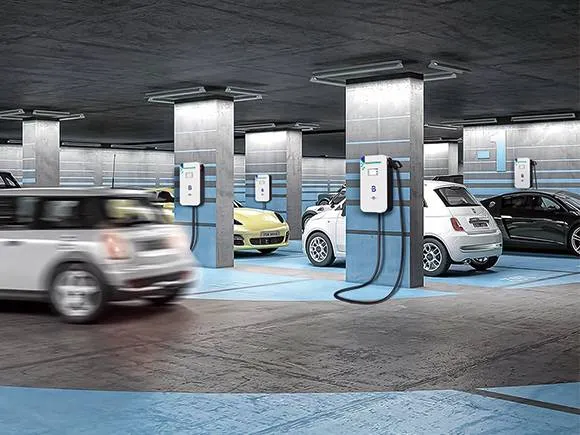
A Direct Snapshot of the Apartment EV Moment
Apartment EV charging will shape which buildings win or lose tenants—faster than many expect. The right EV charger solution can turn tired parking spaces into a high-demand amenity. Picture this: you manage a mid-rise where residents swap cars more often than leases, and new drivers keep asking about EV charging solutions for apartments. In most cities, a big share of people live in multi-family homes, yet many lots still lack dedicated power or smart controls. That gap is growing. And the kicker—drivers want simple, app-free sessions, clear pricing, and chargers that actually work.

So here’s the question: how do you add charging without tearing up your electrical room or blowing the budget? Think less about “how many plugs can we fit” and more about “how fast can we scale without chaos.” Data from early rollouts shows a clear trend: usage concentrates during evenings, circuits get pinched, and costs spike when load isn’t managed. You need a plan for demand, uptime, and cost control (in that order). Let’s move from guesswork to a clean roadmap—starting with the real frictions residents feel every day.
The Hidden Pain Points Owners Don’t See Until Go-Live
Where does the plan usually break?
The first pain point is not the charger—it’s the building. Older panels cap out fast, and contractors default to upgrades that add months. Meanwhile, residents expect plug-and-play. Without smart load management, peak-hour charging fights for amperage and triggers demand charges—funny how that works, right? And then there’s downtime. If monitoring is passive, faults linger. Drivers try twice, then quit. A clunky user journey can be just as bad: extra cards, unclear pricing, or limited roaming kill adoption even when hardware is fine. OCPP helps with visibility, but it’s only useful if someone actually watches alerts and acts.

Billing is the next trap. Shared meters blur costs, and “split the difference” turns into disputes. Submetering and clear resident-level reports solve that, but only if they’re baked in from day one. On the hardware side, rushing to install identical 40A units everywhere sounds tidy, yet it locks you in. Different bays may need different power converters or cable lengths based on real usage. Look, it’s simpler than you think: start with flexible circuits, dynamic limits, and clear driver policies. That way, you scale by software first, panel work second—and your residents feel the difference immediately.
Where the Tech Is Heading—and How to Compare Your Options
What’s Next
The next wave moves from fixed capacity to software-defined power. Think dynamic load balancing that assigns amps in real time, shaped by actual session data and building limits. On-site edge computing nodes make this fast and resilient even when the cloud lags—and it shows. Add ISO 15118 “Plug & Charge” for password-free sessions, and you cut friction at the curb. The best systems treat circuits like a shared pool, flexing between residents, guests, and fleets. That’s the shift: from rigid installs to adaptive infrastructure. As you assess EV charge solutions, compare not just charger counts, but how gracefully they share power at 6 p.m. on a Tuesday.
Here’s a simple lens to stack vendors side by side. First, technology principle: does the platform prioritize software control over metal? Dynamic queues, phase switching, and graceful throttling beat bigger breakers. Second, operations: who owns uptime and alerts, and how is OCPP telemetry turned into action? Third, the resident experience: pricing clarity, access rules, and support in-app (with a fallback for guests). In short, future-ready means faster scaling, fewer panel upgrades, and cleaner bills. Advisory close-out: evaluate 1) watts delivered per parking space at peak without tripping limits, 2) measured uptime and time-to-repair under real faults, and 3) total cost per active driver, including demand charges and maintenance. Choose on these, and you’ll avoid stranded costs while keeping drivers happy—small wins that add up. For a deeper look at how different providers implement these ideas, start a neutral comparison and include EVB in the mix.