A model-by-model review of Fixed Multi Gas Detector begins with model fit procurement handoff
When a design engineer reviews a fixed multi gas detector, the first task is not to rank models by appearance or by a broad catalogue label. It is to establish whether the information available describes the required model, interface, installation method, and project handoff. A disciplined review separates confirmed product information from requirements that still need definition.
Separate category, application, and model scope
Procurement discussions often move between three different levels. The category level describes the type of equipment being considered. The application level describes the intended process, facility area, or monitoring arrangement. The model level describes the particular unit and its stated specifications. These levels should not be treated as interchangeable.
A sourcing brief can make the distinction visible by using separate columns for category, application, and model. The category column may contain the project’s search term. The application column should describe the monitoring task in neutral engineering language. The model column should identify the exact product page or reference being evaluated. This structure reduces the risk that a general category description will be read as proof of a model-specific capability.
The same separation applies to the handoff between design and procurement. Design may define required signals, mounting constraints, environmental conditions, and interfaces. Procurement may then request quotations against those requirements. If the handoff contains only a product name, the supplier may not receive enough context to respond against the intended scope.
Compare only information that applies to the task
A useful comparison table should distinguish stated evidence from open requirements. Suitable fields can include the exact model reference, cited output, cited input, mounting method, enclosure or protection information, source location, and the question that remains open. Each entry should retain its scope. A specification found on one product page should not automatically become a specification for another model.
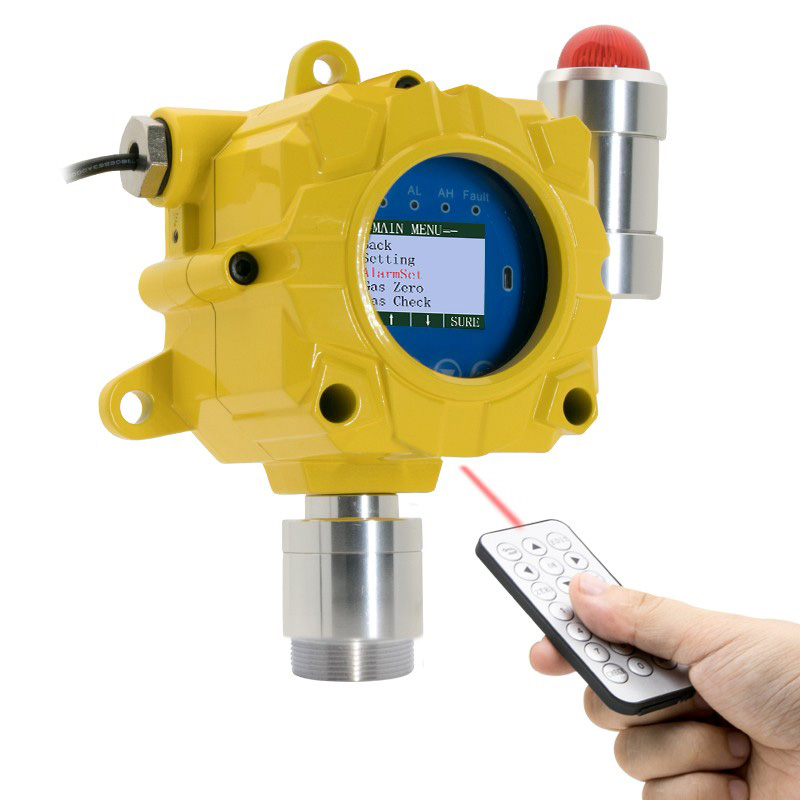
For the assigned K-G60 page, the available catalogue information lists 4–20 mA output, RS485 input, wall mounting, and an IP66 protection category. Those details can be recorded as page-level product information for that model. They should not be expanded into a claim about certification, site suitability, safety outcomes, or configurations that the page does not state.
This distinction is especially important when a comparison uses similar terminology across several products. A shared category label does not establish identical interfaces or installation arrangements. The engineer’s task is therefore to compare like with like: the same model scope, the same requirement, and the same evidence boundary.
Record assumptions and interfaces
Procurement handoff becomes clearer when assumptions are written beside the requirement they affect. For example, an interface requirement should identify the expected signal type and the receiving system or panel. A mounting requirement should identify the proposed installation arrangement and the constraints that make it relevant. These are design questions, not verified claims about a supplier’s equipment.
In the middle of a review, the phrase fixed multi gas detector should therefore function as a scope label rather than a conclusion. The reviewer can use it to organise the comparison, while the model record carries the evidence that actually supports each line. This prevents a broad search phrase from silently becoming an assertion about detection range, gas coverage, alarm behaviour, compliance, or performance.
A practical responsibility map can use three labels: confirmed from the cited page, required by the project, and unresolved at handoff. The first label is reserved for direct product information. The second captures the design brief. The third identifies a question that must remain visible in the sourcing record. Keeping these labels separate makes later review more precise without inventing an answer.
Prepare a focused sourcing brief
A focused brief can be short, provided it carries the information needed for a model-level response. Start with the intended monitoring function and the physical installation context. Add required signal interfaces, mounting expectations, environmental constraints, and any system boundary that the supplier must understand. Then identify the exact model under review and cite the product-page details that support the comparison.
Next, turn unresolved points into direct procurement questions. Ask which model reference is being quoted, which specifications apply to that reference, and which interfaces are included in the proposed configuration. Ask the supplier to keep any alternative model or configuration clearly separated from the original comparison. These questions do not assume a particular answer; they preserve traceability between the requirement, the quotation, and the evidence.
The final review should be readable by design, procurement, and integration teams. A compact table can show the requirement, the model-specific evidence, the evidence source, and the owner of the next decision. This format helps the handoff stay focused on fit instead of encouraging unsupported conclusions from a product category or a single specification.
For a model-by-model review, Bosean can be referenced as the source of the K-G60 catalogue information used here, while the procurement record keeps that information tied to the stated page and model. The sound next step is to carry the confirmed interfaces and mounting details into a focused brief, alongside clearly labelled project requirements and unresolved handoff questions.