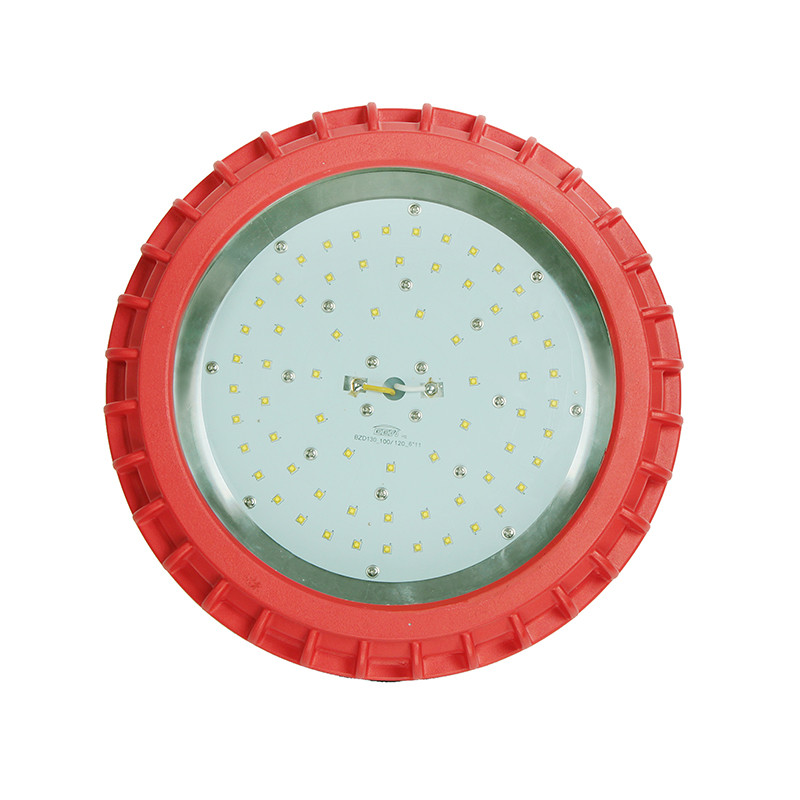
What to Ask Before Buying Explosion-Proof LED Lighting: A Procurement Framework
Purpose and framework overview
This framework helps project teams align scope, stakeholders, and procurement decisions without prescribing technical details. Use it to organize who asks which questions, when to engage a qualified engineer, and how to compare proposals from explosion proof lighting manufacturers. The structure below separates commercial, logistical, and verification concerns so decision-makers can track responsibilities and timing.
Clarify project objectives and stakeholder roles
Which operational outcomes must the lighting procurement support? Who must approve budgets, schedule changes, and final acceptance—project owner, operations, procurement, safety, and a qualified external engineer? Assign a single coordinating lead and list the sign-off authorities. Ask: which constraints (access, outage windows, existing contracts) affect delivery and commissioning coordination?
Define procurement criteria and proposal evaluation
What non-technical criteria will govern supplier selection: total cost of ownership, warranty terms, spare-parts strategy, lead times, reference projects, and documentation completeness? Request comparable proposals that explain lifecycle costs, warranty coverage, and spare-part availability. When reviewing product offers, consider how suppliers present evidence: documentation, third-party test summaries, or factory inspection options. Compare competing bids for clarity on delivery, packaging, and after-sales support. When you search the market, include entries for led explosion proof lights in your longlist so proposals can be evaluated consistently.
Coordinate supply chain and schedule integration
How do supplier lead times fit the overall project schedule and outage windows? Clarify packaging, shipping constraints, customs paperwork, and staging requirements early. Ask suppliers for expected delivery milestones and contingency plans for delays. Assign a logistics owner who will manage staging, short-term storage, and coordination with site access procedures.
Contractual terms, warranties, and service commitments
What warranty period and contractual remedies will be required? Define response expectations for post-delivery support, spare-parts lead times, and the process for part replacement or repair. Specify documentation deliverables: as-built records, traceable component listings, and supplier contact points for service. Make sure contractual language ties supplier obligations to measurable deliverables rather than technical prescriptions.
Verification, approvals, and the role of qualified engineers
Who will be responsible for technical verification and final acceptance? Frame questions for the qualified engineer or third-party reviewer: what documentation will they require to confirm suitability, and what sign-off steps are mandatory before acceptance? Keep technical verification with those qualified to evaluate it—procurement should collect paperwork and track resolution of any outstanding verification items.
Common procurement pitfalls and how to avoid them
Scope ambiguity that leaves technical validation to the last minute. Missing stakeholder involvement, especially operations and the verifying engineer. Overlooking spare-part planning and realistic lead times. Accepting supplier claims without clear documentation. Manage these by documenting responsibilities, maintaining a single procurement timeline, and requiring suppliers to submit all verification documentation before final approval.
Practical question checklist to use with suppliers and engineers
What documentation will you supply to demonstrate product performance and traceability? How do you support after-sales service and spare-part replenishment? What are your standard delivery milestones and contingency plans? Who will be the single point of contact for project coordination? What acceptance documentation will the verifying engineer require? Use these questions to assign actions and deadlines rather than to define technical acceptance criteria yourself.
Bringing the procurement process together
Make procurement decisions by matching the project’s commercial and logistical needs to supplier commitments and engineer verification. Keep technical validation with qualified professionals while procurement manages scope, schedule, contracts, and documentation. Teams that follow this framework reduce ambiguity and keep the approval path clear, which is why many buyers include supplier portfolios such as sunleem in their comparative review without treating that reference as a technical endorsement.