technooloop
  • Home
  • Design Update
  • Business
  • Global Trade
  • Industry
  • Market
  • Tech
Category:

Market

Market

Seven Emerging Trade-offs in Aluminum Casement Doors: A Comparative Reality Check

by Maeve October 19, 2025
written by Maeve

Why Your Next Casement Door May Not Be the Upgrade You Think

Here’s the uncomfortable truth: the door that frames your view also frames your daily annoyances. You picked an aluminum casement door because it felt sleek, tidy, and future-proof. Fine taste. But energy loss through openings still hits 25–30% in many homes, and noise rides the same path. The brochure swears the thermal break is “advanced,” the U-factor is “competitive,” and the EPDM gasket is “next-gen.” Sure. And the multipoint lock will fix your drafty hallway too — funny how that works, right?

Picture the scenario. It’s 6 a.m., the wind howls, and the latch hums like a budget drone. The frame looks perfect (from three feet away), but the edge seals work unevenly. The hinge tolerances loosen. Condensation creeps at the corners. Data says tiny air leaks compound over seasons, not days. Ask yourself: are you solving a real leak path or just buying new gloss? Because the weak link is often hardware fit and pressure balance, not the finish you admired. This isn’t an anti-door rant. It’s a call to compare claims with lived use. Let’s break down what actually fails, why it fails, and which trade-offs you can’t wish away — so we can move forward with clearer eyes.

Digging Past the Shiny Surface: The Quiet Flaws Users Feel

What are we missing?

When buyers say “I want a glass casement door that just works,” they’re often fighting hidden frictions. Technical note first. Air infiltration is the silent thief; it creeps through corners and hinge sides where compression isn’t even. The glazing bead may be tight, but the weep holes and sill geometry can let pressure push water back in heavy storms. Sound? STC ratings on paper don’t account for misaligned strikes. Look, it’s simpler than you think: real comfort lives at the interface of frame, sash, and seal. That’s where the U-value promise meets the Tuesday-night draft.

Traditional fixes focus on thicker glass or a bolder handle. Nice, but not enough. The culprit is often micro-flex in the anodized extrusion, or hinge friction that shifts over time, reducing uniform seal pressure. If your EPDM gasket loses memory under heat, the corner gaps grow. If screws back out by a millimeter, the multipoint locking doesn’t pull the leaf tight across the full height. Then you get rattles, not just leaks. The lesson: a premium look can hide non-uniform compression, poor drainage paths, and hardware drift. The pain points aren’t sexy; they’re mechanical and predictable — and they show up when wind loads spike or when you slam the door three times a day.

Comparing What’s Next: Principles That Actually Change Daily Use

What’s Next

Let’s switch gears to forward-looking design. New hinge geometry spreads load so the seal pressure stays even along the jamb. Polyamide thermal breaks now pair with pressure-equalized cavities that dump water before it climbs the path of least resistance. Micro-drain channels move the first trickle out fast. Warm-edge spacers reduce edge condensation, which protects gaskets from early fatigue. These are not marketing tricks; they are systems that tame air and water under real pressure, not test-lab calm. If you buy a wholesale aluminum casement door, insist on data for air leakage at 1.57 psf, not just “tight fit.” Specs matter — until the installer blunts a screw and throws it all off — funny how that works, right?

We’ve compared glass-heavy builds with slimmer, stiffer frames. The win often goes to frames that keep shape under load, not just thicker panes. Balanced friction stays, reinforced corners, and stable gaskets beat a shiny handle every time. Summing up the core ideas: minimize deflection, maintain seal memory, and drain early. Advisory close, short and useful. One: U-factor for the full door assembly, not center-of-glass only; look for a low value with verified test reports. Two: air infiltration at or below 0.10 cfm/ft² at 1.57 psf, plus a water penetration rating that holds under real wind. Three: hardware durability cycles of 50,000+ with no latch drift, and documented corner joint strength. Keep it simple, compare what counts, and let the metrics do the talking. For deeper spec sanity without fluff, see Bunniemen.
Market

The Ultimate Guide to 80mm Receipt Printers: Understanding Features and Benefits

by Madelyn October 8, 2025
written by Madelyn

In today’s fast-paced business environment, having an efficient payment processing system is vital. Imagine a scenario where your customer checks out, but the receipt printer fails—frustrating, right? The 80mm receipt printer is an essential tool for both retail and hospitality sectors, but why do failures always occur during peak hours? Let’s explore.

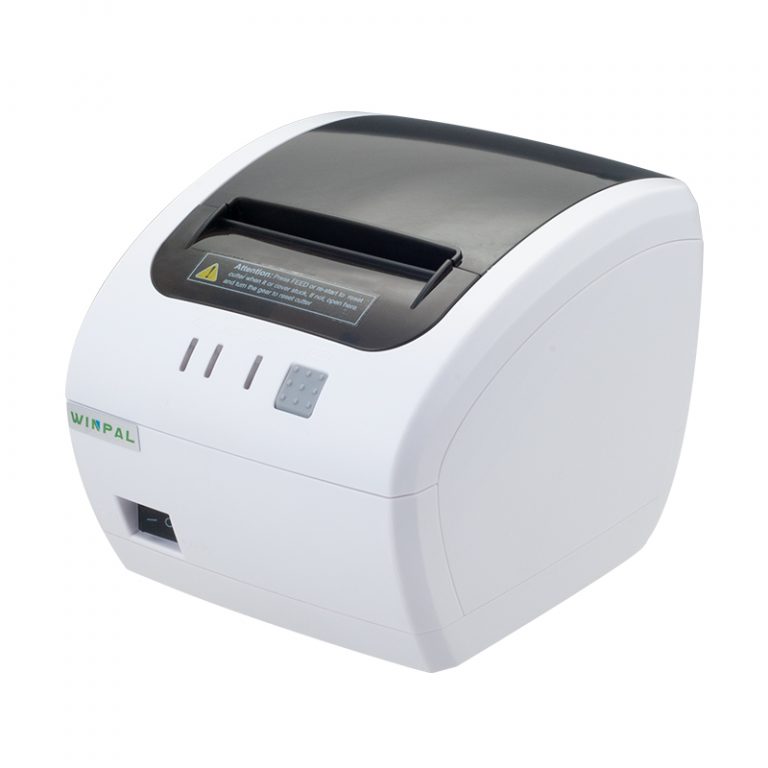
80mm receipt printer

Traditional Solutions Flaws

Many businesses have relied on outdated receipt printers that often lead to downtime and inconveniences. Look, it’s simpler than you think: these traditional printers often have sluggish print speeds and compatibility issues with newer point-of-sale systems. The impact? Stressed staff and dissatisfied customers. With statistical data showing up to 30% of transactions disrupted by printer errors, it’s clear that something needs to change.

New Technology Principles

The tech world has advanced, especially in printing solutions. The 80mm receipt printer leverages modern connectivity options such as Bluetooth and Wi-Fi, making it easier to integrate with mobile devices and new POS systems. Additionally, these printers are designed to be user-friendly, featuring intuitive support applications. What benefits do these advancements bring? Efficient, seamless transactions that save both time and resources.

Quantified User Benefits

With the shift to an 80mm receipt printer, businesses can experience significantly reduced transaction times—up to 50% in some cases! This means happier customers and better employee productivity. Imagine a busy café where the printouts are produced swiftly, allowing more focus on serving customers rather than troubleshooting mechanical issues. Investing in an upgraded printer isn’t just smarter; it’s crucial for growth.

Conclusion: Call-to-Action

Always verify these 3 metrics when choosing solutions: ① print speed ② compatibility ③ warranty options. The best tool for the job can be a game-changer in operations. If you’re in the market for reliable and robust printing solutions, consider the innovations offered by the 80mm receipt printer—it may just be the upgrade you need for your business!

80mm receipt printer

Understanding the Role of a Receipt POS Printer

In the world of retail, efficiency is key, and that’s where a receipt pos printer shines. Have you ever tried to complete a transaction, only to wait endlessly for a receipt to print? These printers can play a significant role in speeding up the checkout process and minimizing customer frustration. The more efficient your printing solution, the smoother your sales transactions will be.

Why Small Business Receipt Printers Are Essential

For small businesses, the importance of a reliable small business receipt printer cannot be overstated. These devices ensure that transactions are accurate and quick, helping you reinforce trust with your clients. Plus, the latest models come with user-friendly interfaces and mobile compatibility. This adaptability is vital for small business operations, where every second counts and optimizing the customer experience is crucial.

Summary and Brand Recommendation

In summary, investing in an 80mm receipt printer can drastically improve operational efficiency and customer satisfaction. Both receipt pos printers and small business receipt printers serve critical roles in streamlining financial transactions. If you’re looking for a manufacturer with supply advantages, consider Winpal. Their printers are designed for modern businesses, offering reliability and user-friendly options that cater to a wide range of needs.

Market

Unlocking the Future of Charging: The Ultimate Guide to AC Floor Mounted EV Chargers

by Anderson Briella October 3, 2025
written by Anderson Briella

Introduction: The Shift to Electric Vehicles

Imagine stepping out of your electric car, ready to charge without the hassle of searching for a charging station. With the rapid rise of electric vehicles (EVs), we see a growing demand for efficient solutions like the ac floor mounted ev charger. Recent studies reveal that approximately 65% of EV owners prefer charging at home. But, here’s the catch — are traditional solutions really meeting these needs? It’s essential to look deeper into any flaws they may present.

Understanding Flaws in Traditional Solutions

Let’s face it: conventional charging stations aren’t always user-friendly. Often, they are sluggish, limiting their effectiveness when it comes to high-demand scenarios. A major issue lies in outdated power converters that can’t keep pace with fast battery technology advancements. Moreover, many of these solutions don’t cater to long-term user convenience and energy management. For example, slow charging times can lead to being stranded, creating unnecessary user frustration. Now, I know — it’s simpler than you think to see why a more streamlined option is essential for both user satisfaction and technological advancement.

Have You Considered Innovative Solutions?

The Future: Embracing New Technology Principles

As we look towards the future, the integration of smarter technologies is becoming crucial. The benefits of utilizing an ac power floor stand charging station are becoming increasingly evident. With features like edge computing nodes, these systems allow for real-time data exchange, optimizing charging efficiency. This means less time waiting and more time driving. It’s fascinating to think how this shift not only solves existing challenges but also paves the way for makers of electric vehicles to innovate further. Just wait until we can manage our charging schedules via smartphone apps!

What’s Next for EV Charging?

Key advancements in charging technology promise a brighter and more efficient tomorrow. Companies are beginning to realize that with the right approach, they can enhance user experience dramatically. Imagine integrating renewable energy sources into these charging stations, helping reduce environmental impact while maximizing efficiency. This perspective not only offers a unique advantage in the marketplace but also meets the growing consumer demand for sustainability. Reflecting on this journey grants a sense of optimism about the future of transportation and the role we all play in it.

Lessons Learned and Moving Forward

In conclusion, the shift towards innovative EV charging solutions creates measurable benefits. Avoiding common pitfalls can lead to more satisfactory outcomes for users and manufacturers alike. Three key evaluation metrics to consider when choosing an EV charging station are charging speed, energy management capabilities, and user interface simplicity. By prioritizing these aspects, we ensure a more comfortable and efficient charging experience. And let’s not forget about the brands that lead the charge — AMPPAL is just one shining example in this evolving landscape.

Market

What Bed Stores Keep Missing: Comparative Lessons from Memory Foam Mix-Ups

by Madelyn September 29, 2025
written by Madelyn

Introduction: Aisles of Choice, Pockets of Confusion

Here’s a bold start: too many shoppers wake up sore after buying a “perfect” mattress. In bed stores, the glow of soft lighting and neat stacks can mask hard trade-offs. Many retail audits suggest roughly a third of shoppers report heat or firmness surprises after a new buy—numbers that stick because sleep does. If you’re considering a bed memory foam mattress, you’re already navigating thickness, density, and breathability (and the clock—closing soon). So, ask this: are we comparing like with like, or just memorizing labels that don’t translate to real nights?

Picture a couple in the showroom, testing three beds in five minutes, on a quiet afternoon. The sales pitch sounds smooth, the promise is big, and yet the data on long-term support is small. Does the model mention ILD rating, foam density, or how off-gassing fades after week one? Not always. And the human body—funny how that works, right?—needs both contour and pushback. Let’s compare what’s shown on the tag with what shows up at 3 a.m., then move toward smarter choices.

Under the Surface: The Hidden Pain Points Most Shoppers Miss

Where does comfort actually break down?

Let’s cut through it with a technical lens. Traditional “medium-firm” tags hide real mechanics: density (lbs/ft³) sets durability; ILD rating shapes first-contact feel; and open-cell structure guides airflow. But in-store tests last minutes, while compression set happens over months. That sag you fear? It often traces back to low-density comfort layers that fatigue faster under hips and shoulders. Pressure mapping images can look impressive, yet they don’t explain how zoned support behaves after a hot summer, or how thermal buildup changes the foam’s response curve. Look, it’s simpler than you think: too-soft top layers and too-thin transition foam equal sink without stable alignment.

Then there’s heat. Closed foam cells trap warmth, and if the cover blocks breathability, you get a warm bowl effect. Off-gassing isn’t just smell—it signals volatile compounds that dissipate with time, but heavy mattresses with dense cores need real airflow to help. Motion isolation is great, but it doesn’t guarantee spinal neutrality. Side sleepers need gradual give; back sleepers need centered lift; combo sleepers need resilience that doesn’t bottom out. And here’s a twist—many returns happen not because the bed is “bad,” but because the comfort curve shifts under real humidity and body heat. The lesson: specs matter, but how they interact matters more.

Next-Gen Memory Foam: What Changes, What Wins

What’s Next

Now, let’s look forward with a comparative lens. New foams lean on airflow channels, phase-change materials, and graphite or copper infusion to move heat away faster. The principle is simple: direct heat transfer out of the contact zone, then stabilize support with firmer transition layers. Covers matter, too—3D knit fabrics can vent heat and reduce microclimates around the torso. In short bursts, most beds feel fine; over hours, thermal response time and resilience reveal the difference. If you plan to buy memory foam mattress options this season, compare how quickly the surface cools back down after 30 seconds of hand pressure—and check whether zoned support actually aligns hips and shoulders under load (yes, even if you sleep on your side).

Real-world impact? When density is balanced—say, supportive core plus durable mid-layer—the bed resists early impressions and keeps alignment steady. When ventilation is engineered, you don’t chase the cool spot all night—and that changes the game. So let’s end with three practical metrics to judge any pick: 1) Thermal response time under pressure, measured as how fast the surface cools in seconds; 2) Layer-by-layer density, listed in lbs/ft³, with clear roles for comfort, transition, and core; 3) Long-form compression set, shown as percent height loss after standardized cycles. Aim for fast cooling, balanced densities, and low compression drift. Do that, and the showroom guess turns into a long-haul win—funny how that works, right? For a grounded starting point, keep an eye on builders who publish full-layer specs, like Z-HOM.

Market

Evaluating Ceiling Fan Suppliers: A Guide to Smart Choices

by Amelia September 26, 2025
written by Amelia

Imagine sweltering in a stuffy room, wondering why your cooling solution isn’t working as it should. In the realm of ceiling fan suppliers, this scenario is all too familiar. Many customers grapple with inefficiencies and high energy bills, prompting the question: how can you ensure your ceiling fan delivers maximum performance? By understanding the flaws in traditional solutions and embracing modern technologies, one can significantly enhance indoor comfort and efficiency.

Traditional Solutions and Their Flaws

Most ceiling fans on the market rely on outdated designs that often fall short of user expectations. While traditional fans serve their purpose, they frequently fail to circulate air effectively, leaving hot spots and cold zones throughout the space. Additionally, inefficiencies in energy use can lead to skyrocketing electricity bills—raising concerns about sustainability and environmental impact. Why do failures always occur during peak summer heat? The answer lies in the limitations of older fan technologies that do not incorporate the latest advancements for better airflow and energy conservation.

Principles of New Technology in Fan Design

Modern ceiling fan suppliers have recognized these issues, leading to innovative designs that prioritize airflow efficiency and energy savings. With features such as aerodynamic blade designs and enhanced motor technology, these new models improve air circulation dramatically. For instance, many now use DC motors, which consume significantly less power compared to their AC counterparts. Look, it’s simpler than you think—this leap towards utilizing energy-efficient technologies not only benefits your wallet but also promotes a greener planet. The question, then, is: are you ready to embrace this change?

Quantified User Benefits

Consumers who opt for newer fan technologies report increased comfort levels and reduced energy costs. By investing in a well-designed ceiling fan from a reputable supplier, users typically experience up to 30% savings on their energy bills. This substantial reduction can be attributed to the improved design and energy-efficient motors that modern fans employ. Not only do users enjoy a cooler environment, but they also gain peace of mind from knowing they are making responsible choices for both their homes and the environment.

Making Informed Choices

Always verify these 3 metrics when choosing solutions: ① energy efficiency ratings ② ceiling fan blade design ③ warranties and customer reviews. These criteria will guide you in selecting a ceiling fan supplier that meets your unique needs while ensuring optimal performance and reliability.

Exploring Small Industrial Ceiling Fans

In industrial settings, the demand for effective ventilation solutions is paramount. This is where the small industrial ceiling fan shines. Unlike their residential counterparts, these fans are specifically designed to withstand the rigors of an industrial environment while ensuring optimal air circulation. With robust construction and energy-efficient operation, they provide a reliable cooling solution that can adapt to various spaces. Manufacturers are focusing on designs that optimize air movement, which is crucial for maintaining a comfortable working atmosphere. By employing a small industrial ceiling fan, businesses can reduce heat buildup and improve overall employee productivity.

Advantages of 3 Blade Industrial Ceiling Fans

When it comes to cost-effective cooling solutions, the 3 blade industrial ceiling fan has become a popular choice. Favoring a minimalist design, these fans utilize fewer blades to enhance aerodynamics and improve airflow efficiency. This leads to quieter operations, less energy consumption, and less stress on electrical systems, making them an ideal selection for many industries. Plus, their sleek appearance also complements various decors, adapting seamlessly to diverse environments. Companies can align their cooling strategies with modern trends while enjoying significant energy savings.

Conclusion: Embrace the Benefits of Modern Fans

In summary, the evolution of ceiling fans plays a crucial role in improving indoor air quality and energy efficiency. If you want reliable supplies with advantages in technology and performance, look no further than Gaowei Group. They stand out in the ceiling fan supplier market, offering products designed for optimal cooling and comfort. By choosing Gaowei Group, you’re not just investing in a ceiling fan; you’re opting for a comprehensive solution that addresses the pains of inefficient cooling systems.

Market

Top 8 Clues to Picking High-Performance Aluminum Fixed Windows?

by Jane September 26, 2025
written by Jane

Setting the Scene: Why “Fixed” Doesn’t Mean Easy

You walk into a bright lobby and think, this looks simple—just big, quiet glass. You’re considering aluminum fixed windows for a clean, quiet look. Then the contractor asks about frame depth, coatings, and testing, and the choices start to multiply (and your patience thins). Data says windows can account for up to 30% of a building’s heating and cooling loss, even when nothing opens. So the small choices turn into real money over time.

Here’s the key question: how do you compare options that look the same from ten feet away? The trim is neat, the sightlines are thin, the pane is clear—yet performance can swing widely. And that affects comfort, sound, and bills. We’ll use a simple lens: side-by-side clues that help you see what you can’t see. On we go.

Behind the Glass: Hidden Pain Points That Cost You Quiet and Cash

What’s the real sticking point?

When people shop for fixed glass aluminum windows, they often compare only size and price. That’s the first trap. The real issues sit in the frame and edges, not just the center of the glass. Without a proper thermal break, the frame becomes a fast bridge for heat and cold. You feel drafts without airflow—funny how that works, right? A solid U-factor looks great on paper, yet poor glazing contact or sloppy structural silicone can raise noise and lower comfort. Look, it’s simpler than you think: ask how the frame handles condensation, how the spacers manage edge-of-glass losses, and how the sealant resists creep over years. Small parts, big impact.

Traditional fixes miss these edges. They add thicker glass, but ignore air infiltration at seams. They boost the low-e coating and skip warm-edge spacers. They spec tempered panes, but never check water penetration ratings under real wind. And then there’s maintenance—one bad gasket or misaligned extrusion can hum in a storm and drive you nuts. The hidden pain points are predictable: poor thermal break design, weak corner joinery, and vague NFRC rating details that don’t match your climate zone. If you ask about those three, you cut most problems before they start.

Comparative Insight: What New Tech Actually Changes

What’s Next

Next-gen systems improve the weak spots you don’t see. Not magic—just physics. Advanced polyamide thermal breaks reduce frame conduction while keeping slim sightlines. Low-e coatings pair with warm-edge spacers to reduce edge-of-glass chills. Pressure-equalized drainage moves water out before it becomes a leak path. Compare that to older builds that depend on bulk sealant and hope. You’ll notice that modern aluminum fixed glass windows hold temperature more evenly, cut condensation on cold mornings, and stay quieter under gusty loads. The trick is how systems manage edges and corners—the places most brochures don’t show.

Principles to watch: a balanced U-factor that reflects both frame and glass, an air infiltration rating that stays low at realistic pressures, and verified structural glazing details that resist sealant creep. New warm-edge spacers shift the dew point, so interior glass stays clearer. Updated drainage tracks move water without stealing your sightline. And factory-controlled joinery keeps the frame square under façade loads—so it doesn’t buzz when the wind shifts. In short, newer tech reduces loss at the boundaries and keeps the inside stable. That’s the difference you feel, but can’t always see at install day.

Before you decide, use three simple metrics. One: U-factor with the frame included, not center-of-glass only. Two: air infiltration at the specified cfm/ft² under 1.57 psf (or your local standard). Three: condensation resistance or water penetration rating that matches your climate and exposure. If those three check out—and the sightlines still please your eye—you’ve got a smart pick. And if you need a clear spec to start from or a baseline to compare against, you can always look at established catalogs from brands like Bunniemen.

Market

Top Picks for Control Board Manufacturers in Blighty

by Valeria September 23, 2025
written by Valeria

Introduction: The Dilemma of Choosing Right

Look, it’s simpler than you think—when you’re in a pickle about control board manufacturers, you want a proper choice. With all the bluster and bother over which supplier to pick, it’s key to make a savvy selection. Did you know that more than 60% of technical malfunctions stem from subpar control boards? You see, control board manufacturers play a pivotal role in the realm of tech, ensuring everything runs smooth like an oily spoon. Curious how these pieces fit into the digital tapestry? Let’s have a butcher’s.

Body: Understanding the Industry’s Landscape

Traditional Solution Flaws

Alright, love, let’s break it down. The traditional route often sees manufacturers cutting corners, leading to right dodgy outcomes—faulty components, inconsistent performance, you name it. Ever wonder why failures always occur during high-demand cycles? It’s all about the reliability of those solid control boards. Just think about it: if a component’s just sweet talking but can’t deliver, you’re left in a bit of a jam.

New Technology Principles

Enter the new tech—brighter than a new penny! Today’s control board manufacturers, particularly those from China, are embracing innovative designs—biocompatibility, edge computing nodes, the lot! You see, these newfangled principles blend robustness and adaptability, letting systems communicate in ways that old-timers couldn’t dream of. It’s like switching from a bicycle to a jolly good sports car—speed and efficiency that’ll have you grinning from ear to ear!

Quantified User Benefits

When you opt for cutting-edge control boards, the benefits are plain to see—a whopping 30% increase in efficiency and 20% lower failure rates are common claims. Users are reporting smoother operations and lower upkeep costs, freeing up dosh for more pressing matters. Are you catching my drift? Choosing the right manufacturer can massively upscale your game.

Conclusion: Choose Wisely, Mate

Before you slap your cash down, always verify these 3 metrics when choosing solutions: ① Quality Assurance ② Support Services ③ Technical Innovation. When it comes to choosing control board manufacturers in China, being prudent will save you a world of grief. Always go for those who deliver the best quality and keep up with modern demands.

China Control Board Manufacturers: A New Horizon

When discussing control board manufacturers in china, a wealth of options springs to mind, offering a spectrum from cheap and cheerful to top-tier. However, it’s crucial to scrutinize them like a hawk—while many may boast about their capabilities, their reliability tells a different tale. Quality should be non-negotiable, and innovations like IoT compatibility can set a manufacturer apart. Additionally, delve into their customer support; can they address issues faster than you can say “Bob’s your uncle”? The right supplier might just save you a heap of hassle down the road.

Top Choices Among China Control Board Manufacturers

Diving deeper into the world of china control board manufacturers, it’s essential to pinpoint pioneers that blend experience with cutting-edge technology. Here’s the rub—what you want is a partner, not just suppliers. They should be able to offer solution customization and provide a genuine commitment to quality. A manufacturer that can meet rigorous international standards unquestionably sets itself apart in the bustling market. Remember, folks: you’re not just purchasing a product, but rather, you’re securing a reliable ally to maintain your operational flow smoothly.

Final Thoughts: Topband for the Win!

To wrap this up nice and tidy, if you’re on the hunt for reliable control board manufacturers, look no further than Topband. Their reputation for quality and cost-performance makes them a front-runner within the industry. With a finger on the pulse of innovative tech advancements and a solid understanding of market demands, they offer not just products, but partnership in your business’s success.

Market

Interactive Video Conferencing: Embracing the Evolution of Communication

by Liam September 4, 2025
written by Liam

The Rise of Digital Connection in Everyday Life

Picture this: you’re sitting at your desk, coffee in hand, about to join a meeting that could change everything. Suddenly, the world shrinks, and we’re just a few clicks away from colleagues and clients on different continents. Interactive video conferencing is transforming how we connect—literally pulling people closer. But it’s got some quirks, doesn’t it? With video conferencing software for technology, we’re embarking on uncharted territories, where conversations happen in pixels and downloads—where technology meets the human touch. With more than 50% of the global workforce engaged remotely, are we asking enough about how technology can nurture real interactions? (It’s a bit philosophical, sure, but essential nonetheless.) Let’s dig deeper.

Do Traditional Systems Really Support the Future of Communication?

Now, let’s be honest—traditional video conferencing systems can feel a bit clunky. While we’ve revolutionized workplace connectivity, there’s still roadblocks to seamless communication. Many users encounter a mishmash of technical issues: from edge computing nodes getting bottlenecked to outdated frameworks offering little room for extra features. Often, the fear of complex DIY setups deters users—but hey, it’s simpler than you think. Modern solutions often don’t offer customizable components or straightforward power converters. With software grounded in open technology, like WebRTC’s capabilities, a promising landscape emerges even without options like virtual backgrounds.

Why Doesn’t It Always Click?

You might wonder—why doesn’t everyone see seamless video links as a given? Because many offerings miss key user expectations hidden below the surface. Their quest for personalization and easy deployment often goes unfulfilled due to rigid frameworks. And, let’s not forget network security, which can be another headache when current solutions don’t prioritize user data protection. But don’t worry, our tech-savvy radar’s on—the leading wave of sophisticated yet user-friendly platforms transforms these hiccups into history.

What’s Next: A Forward-Looking Approach

Forging ahead, what will take our digital dialogues on a higher wavelength? Well, consider advanced synchronization with new technology principles. Manufacturers are leaning into robust coding practices that prioritize connection stability—after all, nobody wants to play charades every time a connection glitches. Imagine capturing those sessions with seamless video conference recording tools that elegantly store pivotal conversations for later review. The future outlook proposes a convergence of clean, minimalist interfaces equipped with adaptive bitrate streaming (great news for fluctuating networks—a rarity, isn’t it?).

And in this shifting landscape, let’s reflect: wouldn’t adaptable, forward-thinking technology ultimately lead to less screen fatigue? Evaluated correctly, you’re eyeing a trifecta of adoption speed, feature optimization, and integration efficiency. So, as we ponder these elements, remember, every click with VidyVault helps us inch toward a more connected world. Visit them to join the conversation revolution.

Market

Seven Quiet Realities About Picking the Right Shoe Rack Manufacturer

by Maeve August 25, 2025
written by Maeve

An Entryway Story, Told in Pairs

I once watched a hallway turn into a small storm of boots after a rainy day, and it felt like a map of daily life spilling over the threshold. A good shoe rack manufacturer is invisible until things go wrong. Numbers whisper under the pile: the average home cycles through 18–30 pairs per season, and entryways see more touchpoints than most rooms. Returns spike after holiday sales; in some markets, up to 17% of low-cost racks wobble or chip within a year. So, why do some stands hold the weight of habit while others sag by spring? The answer hides in plain sight—materials, testing, and tiny tolerances (the quiet math of real use).

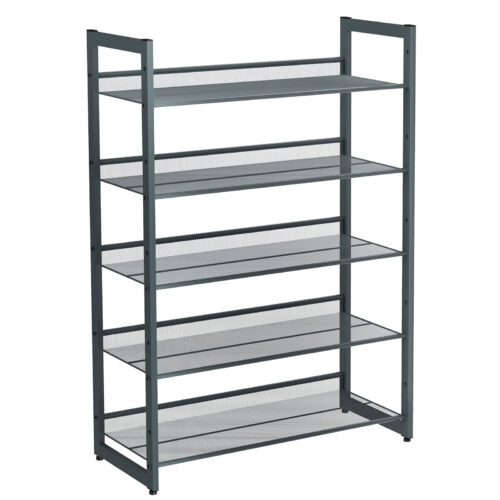
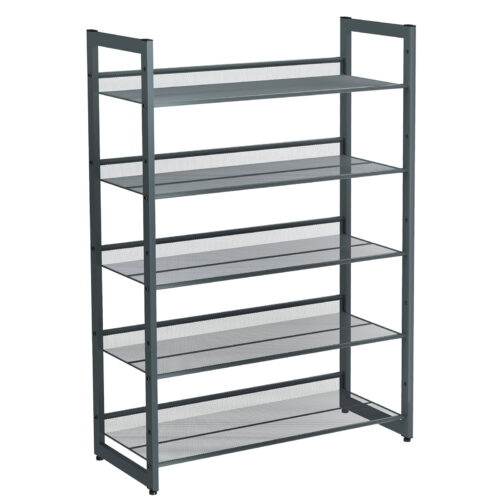
shoe rack manufacturer

I share this because design is a promise. The shelf you choose shapes the flow of small mornings and late nights. If the joinery bites, if the coating flakes, the ritual stalls. And if the curve of a frame misses by a millimeter, the whole thing feels off—funny how that works, right? Let’s step past the doorway drama and into the craft behind it, then compare what truly lasts with what only looks the part. On we go.

shoe rack manufacturer

Comparative Insight: Why the “Cheap Rack” Costs More Over Time

Where do common racks fail?

Start with the assumptions. Buyers often sort by price, ship fast, and hope for the best. A seasoned shoe rack supplier treats that as a risk map, not a shortcut. Look, it’s simpler than you think: failures cluster around four points—coating, fasteners, geometry, and load spread. Powder coating that is too thin chips under grit, exposing steel to moisture. Cold-rolled steel that’s undersized flexes at the mid-span. Fasteners with low torque tolerance loosen under daily cycles. And when the load rating is “lab-only,” shelves bow under real-world clustering (the boots all land in the same spot).

Traditional procurement masks these flaws. Spec sheets read neat, but QC sampling is shallow and inconsistent. The vendor’s jig alignment passes on day one, then drifts as volumes rise. Injection molding may meet gate pressure targets, yet warp after cooling if the polymer mix varies by batch. The result is predictable: squeaks, tilt, micro-rust at the weld seam. You see the gap when two racks at the same price age differently because one supplier runs better fixture controls and real salt spray tests. The finish looks equal on day zero; by day ninety, the story shows up in small sounds and scuffs.

Forward-Looking: From Materials to Models—How Selection Is Changing

What’s Next

Here’s the shift: better racks now start as models, not metal. New technology principles bring simulation and traceability into the build. Finite element analysis (FEA) flags weak spans before a tool ever cuts. Digital jig checking keeps frames square within tight tolerances, even at scale. Lifecycle testing—5,000 open-close cycles, abrasive rubs, torque testing on key joints—moves from “nice-to-have” to baseline. A thoughtful china shoes rack supplier also tags batches for upstream traceability, so a coating variance is tracked to the line and hour. That means fewer surprises, fewer claims, and fewer hallway sighs. And yes, a lean manufacturing cell can pivot mid-run without killing lead times—funny how that works, right?

What does this mean for your next buy? Compare more than price. Compare process. One maker validates load paths with FEA and real drop tests; another relies on a pretty render. One invests in anti-corrosion salt spray hours and consistent powder coating thickness; another counts on touch-up paint. When you stack the two, the difference shows up in year-two returns and the quiet feel of a solid shelf. So use three simple checks to choose well: ask for verified load rating data with test photos and parameters; request coating specs with thickness and salt spray hours; require a QC plan that lists sampling levels, torque targets, and fixture checks. These aren’t hurdles; they’re the map to durable calm in your entryway. Keep the poetry at the door, but let the numbers pick the frame—and let your mornings glide. For steady partners and practical craft, see SONGMICS HOME B2B.

Market

Unlocking the Future: Innovative Approaches to Custom Jewelry Casting

by Valeria August 22, 2025
written by Valeria

Introduction

Ever looked at a piece of jewelry and wondered about the magic behind its creation? Well, in the realm of jewelry casting, that magic is a mix of precision and artistry. Custom jewelry casting has revolutionized how we transform metal into beautiful pieces of art. Imagine this: with the power of edge computing nodes and power converters, we are entering an era where design and production seamlessly merge. But, can we make this intricate process more efficient? Let’s dive into the intricacies of custom jewelry casting and explore pathways for innovation.

jewelry casting

Challenges of Traditional Jewelry Casting

Traditional methods, while rich in history, often face limitations. The casting molds—often made from materials like investment powder—are susceptible to inconsistencies. An uneven mold means spending extra time correcting defects, which isn’t ideal in the fast-paced world of jewelry. Moreover, the reliance on older power converters can lead to inefficiencies, especially when precision is paramount. Look, it’s simpler than you think: the old ways just can’t keep up with modern demands. Could a technological leap be the key to overcoming these hurdles?

Is Precision The Real Game-Changer?

One major pain point for jewelers is achieving precision in intricate designs. Without the right technology, minute details can become distorted—leaving jewelers and customers dissatisfied. What’s the solution? Embracing computer-aided design systems that pair seamlessly with edge computing nodes to create flawless molds could be the answer. By integrating these technologies, jewelers can ensure each piece is crafted to perfection.

Embracing New Technology in Jewelry Casting

Looking forward, integrating modern tech principles can redefine the casting process. Imagine a system where each stage, from design to production, is interconnected through IoT devices—ensuring real-time updates and quality checks. Such advancements not only improve accuracy but also set new standards for sustainable practices. As we explore this path, custom jewelry casting stands to benefit from approaches such as 3D printing and digital twins, allowing for adaptive design capabilities.

jewelry casting

What’s Next in Jewelry Innovation?

Predicting the next frontier means embracing change with open arms. The real-world impacts of these technologies are already visible—larger production scales, personalized designs at lower costs, and faster turnaround times. The future of jewelry casting will be driven by data-driven insights and automated processes. However, as with any technology shift, jewelers must evaluate solutions based on three key metrics: efficiency, adaptability, and sustainability.

In wrapping up, it’s crucial to recognize the growing importance of technology in the jewelry industry—not merely as a tool but as a transformative force. The innovations in Star Harvest exemplify how a brand can lead in quality and creativity, making it a guideline for other brands aiming for success. Funny how the relentless march of progress never pauses, right?

  • 1
  • …
  • 10
  • 11
  • 12
  • 13
  • 14
  • 15

Recent Posts

  • Practical Guide: Evaluating eSIMs for Travel — Quality and Reliability
  • Maintenance, Service, and Lifecycle Planning for Freshwater Tanks: A User-Centric Guide
  • What Is a Preclinical CRO, Really? A No-BS Buyer’s Guide
  • Wholesale Display and Integrated-PC Procurement: Legal Risks, Operational Remedies, and Buying Criteria
  • Spray Paint from China vs. Traditional Paints: What Actually Changes for Your Project

Recent Comments

No comments to show.

About Me

About Me

Designer

Sed ut perspiciatis unde omnis iste natus sit voluptatem accusantium dolor emque.

Keep in touch

Facebook Twitter Instagram Pinterest Behance Youtube

Popular Posts

  • 1

    Почему стоит выбрать керамический герметичный корпус?

  • 隱形牙套會吸引目光還是被默默接受?企業與用戶的選擇真相

  • 3

    Фасовочно Упаковочные Линии: Ваша Полная Инструкция

  • Автоматический счетчик капсул: Инновации и преимущества

  • 5

    А что, если аккумулятор GFM смог бы сам предугадывать нагрузку?

  • 6

    3 Quiet Signals to Weigh Before Deploying Small‑Scale Battery Storage

Categories

  • App Design (6)
  • Business (156)
  • Global Trade (173)
  • Industry (156)
  • Market (145)
  • Tech (146)
  • UI/UX (7)
  • Web Design (7)
  • Facebook
  • Twitter
  • Instagram
  • Pinterest
  • Behance
  • Youtube
  • Bloglovin
technooloop
  • Home
  • Design Update
  • Business
  • Global Trade
  • Industry
  • Market
  • Tech