technooloop
  • Home
  • Design Update
  • Business
  • Global Trade
  • Industry
  • Market
  • Tech
Global Trade

Pouch Cells vs. Assumptions: 9 Misreads You Can Fix with Smarter Comparisons

by Maeve August 8, 2025
written by Maeve

Why Your Pouch Cells Underperform Isn’t the Form Factor

Here’s the move: your range drop isn’t random, it’s patterned. The pouch cell takes the heat, but that’s not the whole script. Teams swap form factors, then wonder why the numbers still wobble. A pouch battery can shine or sink based on the small stuff—stack pressure, tab path, and how the wetting phase was managed. In fleet trials, we’ve seen 22% of packs show early drift after 300 cycles; meanwhile, cell logs flag uneven SEI build-up on outer layers. So what’s the real culprit? Bad assumptions, not bad pouches—funny how that works, right?

pouch cell

Direct talk: most “fixes” chase symptoms. You add thicker foil or dial back current. But the root issue is misaligned compression and sloppy electrolyte wetting. If the pressure plate isn’t uniform, current collectors get hotspots. Then gas forms, swell creeps, and tabs run hot under peak loads. Look, it’s simpler than you think. Traditional lines bank on long formation to patch it up. That only delays the pain. Hidden pain points are basic: tab welding geometry, coolant path mismatch, and loose BMS limits that let power converters punch too hard on cold starts. The lesson? Don’t swap pouch for prismatic and call it a day. Rework the stack plan, the jig, and the test profile, or you’ll replay the same mixtape with a different cover. Let’s pivot from blame to comparison—clean, side by side.

New Rules, Real Checks: Comparing What Actually Moves the Needle

Let’s get technical but keep it plain. When you compare designs, compare the stress, not the shape. The new playbook is pressure-first engineering. Use isobaric frames or elastomeric pads to keep even stack force during thermal swing. Add vacuum-assisted electrolyte wetting to cut dry zones. Then validate with fast EIS snapshots at different states of charge. That trio tunes SEI growth and slashes early-cycle drift. Pair it with smarter formation: pulse profiles that cap lithium plating, and staged rest to stabilize interfaces. A modern pouch battery isn’t “fragile”; it’s sensitive to setup—and sensitivity is predictable.

What’s Next

Forward-looking, the edge moves to in-line sensing. Think impedance tags per stack layer and optical swell gauges—no cap, you can catch micro-swell before it shows in capacity. On the pack side, edge computing nodes can run quick health checks right after charge events. That data feeds the BMS to smooth current ramps through power converters. We’ve seen case runs where simple changes—shorter soak at high voltage and cooler clamp temps—cut capacity spread by half. Same materials, different rules. And yes, prismatic or cylindrical can win in some builds; but in tight spaces with cooling on one face, a balanced pouch stack often lands lower resistance per liter—and calmer heat maps.

pouch cell

So, summarize and choose with intent. We learned the “pouch problem” was a process problem. The fix lives in pressure, wetting, and proof—not in switching cans. Use three checks before you scale: 1) compression uniformity across the active area (target low variance under thermal cycling); 2) formation quality with EIS deltas under 3% between repeats; 3) pack-level ramp control so tab temps stay within safe gradients at peak C-rate. Keep it real, keep it measured—and keep your users off the tow truck. For deeper process controls and real case data, see LEAD.


Tech

Diving Deep: Lessons Learned from Niti Rotary Files in Endodontics

by Mia August 7, 2025
written by Mia

Understanding the Basics of Niti Rotary Files

Let’s cut to the chase: if you’re in the dental field, you’ve likely encountered a scenario where a patient needs root canal treatment. Surprising statistics show that roughly 15 million root canals are performed each year in Australia (yeah, that’s a big number). At the heart of these procedures is the niti rotary file, an essential tool that helps in cleaning out infected roots effectively. What makes these files stand out is their ability to navigate the curved canals of the tooth structure effortlessly.

Now here’s a question—have you ever considered the traditional flaws in older endodontic solutions? Many dentists often find themselves stuck in outdated methods that can increase patient discomfort and prolong healing times. Staying ahead of the game with the latest technology is crucial for every dental practitioner. But let’s transition to a deeper look into the potential user pain points.

Identifying the Pain Points in Traditional Solutions

Old-school methods in endodontics are not just a blast from the past; they come with their own set of complications. Traditional tools can be incredibly rigid, often leading to a higher chance of mishaps—think about file breakage or ledging in canals. This is where the magic of new-age files comes in. With their shape memory and flexibility, Niti rotary files reduce the risk of complications dramatically. Look, it’s simpler than you think!

That said, many practitioners still hesitate to adopt these advanced solutions due to the perceived learning curve. But what if we said it’s easier than it looks? The reality is that innovative files are engineered to work intuitively, allowing for smoother practices and, ultimately, happier patients. When you’re equipped with the right tools, every procedure feels like a breeze. So, how does the future look within this evolving space? That’s what we’ll explore next.

What Does the Future Hold?

Integrating New Technology Principles in Endodontics

Now, let’s step back and think—how can modern technology principles change the game? New advancements, like the endo rotary systems, are paving the way for a more efficient treatment protocol. Imagine visiting a clinic where the anxiety of a root canal isn’t just alleviated; it’s practically eradicated. By utilising smart tools coupled with improved patient management software, the user experience can transform entirely.

The application of these modern tools allows for real-time monitoring and precise navigation, which ensures the dentist can adapt on the spot. This not only enhances the precision of the procedure but also minimizes the discomfort that can come with ineffective methods. Patient satisfaction rises, and those initial visits may no longer feel like a daunting challenge. Instead, it’s a pleasant memory that they want to repeat. So, what are we taking away from all this?

Key Insights and Considerations

As we wrap up, it’s clear that moving towards Niti rotary files and similar innovations can deeply impact the success rate of endodontic treatments. Whether it’s about the tools at your disposal or evolving patient expectations, embracing this shift is crucial. Just think about how many more mouths you could treat effectively!

So, as you consider options for improvement in your dental practice, I have three evaluation metrics to keep in mind: patient comfort, tool flexibility, and procedural success rates. After all, it’s about keeping your patients happy and healthy. In the end, solutions like those offered by NIC Dental are more than just tools—they’re enablers of better dental care. Now, keep that in mind the next time you open the instruments drawer!— funny how that works, right?

Global Trade

The Future of Precision: Exploring the Laser Camera Revolution

by Valeria August 7, 2025
written by Valeria

In conclusion, embracing the latest technologies—like the laser camera, industrial 3D camera, and laser marking systems—is an essential move for any business aiming to thrive. The efficiency, accuracy, and benefits are undeniable. If you’re considering these advanced tools, look no further than Transfer Technology. Their innovative solutions and supply advantages position them as a top-choice manufacturer in today’s competitive landscape.

Market

Empowering Your Business: The Ultimate Guide to Cloud Call Center Solutions

by Nevaeh August 7, 2025
written by Nevaeh

Understanding Cloud Call Center Solutions

In today’s fast-paced world, customer service is more than just handling inquiries—it’s about creating an experience. A cloud call center solution enables businesses to manage customer interactions efficiently, ensuring your team is equipped with the latest technology to enhance communication. Imagine your agents being able to access customer information instantly from any location. This flexibility not only empowers your workforce but also boosts customer satisfaction. Investing in a cloud call center solution is like giving your business a turbo boost for engagement and productivity.

cloud call center solution

The Role of Call Center AI Solutions

Embrace the future by integrating call center ai solutions into your operations. These systems can analyze calls, provide valuable insights, and automate routine inquiries, freeing up your team to focus on more complex issues. For example, imagine an AI assistant handling basic account inquiries, which considerably reduces wait times for customers needing urgent assistance. By leveraging AI, your business can not only streamline services but also enhance the overall customer experience, ensuring that your team is always one step ahead.

Maximizing Efficiency with Call Center Recording Solutions

Have you ever wondered how you can improve your team’s performance? Utilizing call center recording solutions allows businesses to review interactions for quality assurance and training purposes. Recording calls can highlight best practices and pinpoint areas for improvement, giving you the ability to refine strategies. For instance, reviewing customer calls regularly can help identify common pain points, enabling agents to adapt their approaches and elevate customer service standards.

cloud call center solution

Conclusion: Why Choose Sobot?

In summary, implementing a cloud call center solution is essential in today’s competitive landscape. By adopting advanced tools like call center AI solutions and call center recording solutions, your business not only optimizes operational efficiency but also significantly enhances customer interactions. For those serious about advancing their customer service capabilities, consider partnering with Sobot, a manufacturer renowned for its supply advantages and cutting-edge technology. Discover how Sobot’s solutions can transform your operations by visiting their website: Sobot.

Expanding Your Understanding of Call Center AI Solutions

When you think of call center ai solutions, envision a world where every customer interaction is powered by intelligent insights. These advanced tools don’t just aid in customer service; they enhance it. With features like natural language processing, AI can evaluate customer moods and intentions in real-time, enabling your team to respond in a way that’s tailored to the individual. This level of personalized interaction can differentiate your business in a sea of uniformity. Furthermore, AI can help predict customer behavior based on data analytics, allowing you to anticipate needs and adjust your strategies accordingly. By integrating these solutions, your business shifts from a reactive to a proactive stance in customer engagement, paving the way for higher retention rates and satisfaction levels.

Diving Deeper into Call Center Recording Solutions

Implementing call center recording solutions isn’t merely about compliance; it’s about creating a culture of constant improvement. By analyzing recorded calls, you can extract actionable data that informs training programs for your agents. An effective strategy could involve implementing monthly reviews where teams listen to specific interactions that went well or encountered challenges. This collaborative review process fosters a learning environment where agents can share insights and strategies, driving performance improvements across the board. Additionally, consistent monitoring ensures adherence to standards and helps strategize on customer-centric approaches. With this in place, your organization can not only refine individual agent performance but also enhance service consistency, creating a dependable experience for every customer interaction.

Market

The Future of Home Communication: Embrace the 2 Wire Intercom System

by Jane August 6, 2025
written by Jane

Imagine standing at your front door, your hands full of groceries, while you hear a voice from the intercom asking about your day. It’s easy to see how a 2 wire intercom can transform your daily interactions. Unfortunately, traditional intercom systems often fall flat—demanding cumbersome wiring and lack of clarity in communication. In a world where efficiency reigns, homeowners are seeking the simplicity and reliability of 2 wire intercoms to streamline their lives.

Identifying Traditional System Flaws

So, what’s wrong with the old-fashioned intercoms? Let’s be real—those bulky systems are known for requiring complex installations and maintenance. Plus, many systems suffer from poor audio quality, resulting in frustrating communication errors. What’s worse? They often demand expensive upgrades to keep up with tech advancements. In essence, they’re not just inconvenient; they can drain your wallet too!

Understanding New Technology Principles

Enter the 2 wire intercom—designed with modern technology principles at its core. By utilizing just two wires, this system dramatically simplifies installation while enhancing connectivity. Its robust structure enables long-distance communication without degrading audio quality. Furthermore, it integrates easily with innovative home systems. Talk about a game changer—these advancements not only improve functionality but also user experiences.

Quantified User Benefits

Did you know that users can save up to 30% on installation costs with these systems? Moreover, enhanced audio clarity improves user interaction tenfold. The ease of installation and reduced maintenance translates directly into hassle-free living. Overall, the transition to a 2 wire intercom could mean less stress and more comfort in modern home life!

Making Informed Choices

When weighing your options for intercom systems, always verify these 3 metrics: ①Installation ease, ②Audio quality, ③Integration capabilities. Taking these essential factors into account can lead you to the best solution! Remember, a proper choice ensures smooth communication and peace of mind in your daily life.

Exploring the Advantages of the 2 Wire Video Door Intercom

If you’ve ever considered upgrading your home security, a 2 wire video door intercom might just be the answer you’ve been looking for. These systems allow you to see who’s at the door, creating a sense of security like no other. With simplified wiring, installation costs are reduced – providing a cost-effective solution for homeowners. Plus, the video functionality means you’re never in doubt about who’s knocking. Imagine being able to check your front door from your smartphone while lounging on the couch—sounds pretty sweet, huh?

Benefits of a Two Wire Video Intercom System

Considering a new security upgrade? A reliable two wire video intercom system can significantly enhance your home’s functionality and security. Featuring high-definition video quality, these systems allow you to communicate clearly with visitors. This also means less hassle – just flick a switch and you’re set! Even better, the technology is designed to seamlessly integrate with other smart home devices, offering convenience at your fingertips. You’ll be able to keep an eye on your property, whether you’re at home or away, bringing peace of mind to busy lifestyles.

Final Thoughts on Home Intercom Systems

The future of home communication undeniably lies in technologies like the 2 wire intercom, which revolutionizes usability and efficiency. With offerings like the Trudian brand, you can expect high-quality products that meet your needs effectively. From the improved two wire video intercom systems to the ease of installation, Trudian stands out among manufacturers, making it a reliable choice for enhancing your home communication.

Market

A Grounded Method for Reliable Workplace EV Smart Charging

by Valeria August 5, 2025
written by Valeria

Introduction: The Queue That Grows in Silence

Start with the simple truth: power does not stretch itself. An EV charger solution must live inside a fixed load window, and it pays a price when it pretends otherwise. In many offices, workplace EV smart charge solutions face a grim routine—morning arrivals stack up, panels hit peak, and low-cost energy slips away by noon. Data tells a colder story: chargers idle at off hours while peak demand fees rise, and maintenance tickets creep from rare to routine (slow, but relentless). So the queue grows. The lights hum. And someone wonders why software was installed if drivers still fight for plugs. Is your system managing demand, or just scheduling disappointment?

EV charger solution

This is not a rant; it’s a pattern. We need a tighter method to balance people, grid signals, and hardware limits—without drama. Let’s step into the faults we keep repeating, then walk out with a plan.

Part 2: The Hidden Breakers in the System

Here is the deeper layer most teams skip. Traditional rollouts lean on static rules and guesswork. Fixed time-of-use windows. Manual setpoints. A spreadsheet that pretends to be a control plane—funny how that works, right? When load spikes, those rules don’t bend; they snap. Breakers trip, drivers leave, and trust goes with them. Meanwhile, the hardware speaks in a language the software barely hears. OCPP events time out. SOC estimates drift. Power converters throttle under heat, then recover late. It feels random on the ground, but it’s not. It’s the result of tight budgets, loose feedback loops, and no shared state across chargers.

What’s really slowing the line?

Two quiet pains run the show. First, latency. Decisions that live in a distant cloud arrive a second too late. Dynamic load management should be local, near the panel, not a round trip away. Second, accountability. Drivers want a simple promise: a stated kWh by a stated time. Most systems promise slots, not outcomes. Look, it’s simpler than you think: commit to energy, meter it, and adjust in real time. Add small things that matter—RFID failsafes, brownout rules, and a fallback curve when grid voltage sags. Do that, and queues get shorter because cycles get tighter. The tech terms are dull—demand response, peak shaving, firmware rules—but the result is plain. People get home on time.

EV charger solution

Part 3: Systems That Learn to Breathe

What’s Next

Forward-looking doesn’t mean flashy. It means systems that adapt on-site. Place edge computing nodes at the electrical room so decisions happen inside a few milliseconds. Use model‑predictive control to spread current across ports before a spike forms. Let chargers share a live picture of line capacity, not just a schedule. Fold in tariff signals once an hour (not once a quarter), and treat every plug as a flexible endpoint. This is where modern EV smart charge solutions stand apart—by turning policy into physics. They track SOC, phase balance, and feeder limits. They test failover rules like fire drills. When the grid knocks, they answer with safe, small steps. Not panic. Not guesses.

Compare that to yesterday’s plan. Static timers versus predictive curves. Cloud delays versus local control. Closed stacks versus open protocols that play well with others. The future will blend V2G-ready inverters, safe power quality checks, and FOTA updates that do not break a Monday. It will honor open standards like OCPP while speaking energy APIs your billing team understands. Here’s how to choose with a clear head. First, reliability: measure uptime, recovery time after faults, and charger derate behavior under heat. Second, control integrity: verify local decision speed, accuracy of SOC estimation, and dynamic load management under a staged peak. Third, total cost clarity: count price per managed kW, demand charge reduction over three months, and maintenance tickets per port. Do this and you will see the quiet wins—fewer trips, shorter lines, less noise. The rest is craft and care—and patience. For more context and steady practice, watch how partners like EVB build for the long haul.

Global Trade

The Essential Guide to Frozen Sweet Corn Wholesale: Maximizing Your Supply Chain

by Maeve August 5, 2025
written by Maeve

Understanding Frozen Sweet Corn Wholesale

Frozen sweet corn wholesale plays a pivotal role in the food supply chain. It caters to a diverse range of industries, including retail, food services, and food manufacturers. The process begins with the harvest of premium corn, which is then swiftly blanched and frozen to preserve its natural sweetness and nutritional integrity. By engaging with wholesalers, businesses can secure high-quality frozen sweet corn wholesale products, ensuring an uninterrupted supply for their culinary needs. Moreover, wholesale purchasing offers substantial cost savings and efficiency, crucial for maintaining competitive pricing.

frozen sweet corn wholesale

Importance of Quality in Wholesale Bulk Purchases

When sourcing frozen sweet corn wholesale, quality should never be compromised. It’s vital to partner with a reputable supplier who prioritizes quality control measures. The best wholesalers offer products that are flash-frozen shortly after harvesting, locking in freshness and flavor comparable to fresh corn. This is particularly important for restaurants that want to deliver a consistent taste across menus and maintain customer satisfaction. Integrating such high-grade frozen ingredients not only elevates menu items but also keeps operations running smoothly, backed by a dependable supply of premium frozen sweet corn wholesale.

frozen sweet corn wholesale

Real-World Applications of Frozen Sweet Corn

Frozen sweet corn wholesale is incredibly versatile, making it a staple in homes and businesses alike. From gourmet restaurants creating elaborate dishes to families preparing quick weeknight meals, its uses are expansive. For example, a wholesale buyer can use frozen sweet corn to enhance a variety of dishes, including salads, soups, casseroles, or salsas, ensuring they can deliver quick, nutritious meals to their customers. Moreover, the ease of storage and extended shelf life make frozen sweet corn an ideal choice for minimizing food waste, another crucial consideration for responsible food management in today’s industry. Utilizing top-notch frozen sweet corn wholesale can significantly streamline kitchen operations and boost revenue in any food-related business.

Why Choose Jooever Foods for Your Frozen Sweet Corn Supply

In the competitive landscape of frozen sweet corn wholesale, choosing the right supplier is essential. Jooever Foods stands out for its commitment to quality and reliability. With years of industry experience, they specialize in providing top-grade frozen vegetables, including sweet corn, at scale. Their rigorous sourcing standards and processing techniques ensure that customers receive the finest products, which not only meet but exceed industry expectations. Businesses can confidently rely on their supply chain to remain uninterrupted, knowing Jooever Foods has the infrastructure to support long-term partnerships through consistent product delivery and innovative practices. Engaging with Jooever Foods means investing in quality, efficiency, and sustained business growth tailored to the evolving needs of the food industry.

Conclusion: Make Your Frozen Sweet Corn Wholesale Choice Count

In summary, the significance of frozen sweet corn wholesale cannot be overstated, as it serves a critical role in various food applications. Selecting a trustworthy supplier, like Jooever Foods, can dramatically enhance your operational capabilities and product offerings. Their focus on exceptional quality and reliable supply chain management equips businesses to thrive in a competitive market. Whether you’re aiming to enrich your menu or streamline food production, partnering with Jooever Foods ensures access to premium frozen products that cater to your needs.

Industry

Unlocking the Future: Why Fingerprint Home Locks Are the Key to Modern Security

by Maeve August 4, 2025
written by Maeve

Imagine this: You fumble with your keys in the dark, frustration mounting as the door refuses to yield. This common scenario drives many to seek a more dependable solution, where a fingerprint home lock supplier becomes essential. The evolution of security has brought us to the doorstep of advanced technology, merging convenience with safety.

Understanding Traditional Security Flaws

Consider the traditional lock and key system—an age-old method that has its drawbacks. Often, we overlook the vulnerabilities associated with lost keys or broken locks. Why do failures always occur during critical moments? With a staggering percentage of break-ins facilitated by simple key duplication, the need for an upgrade is undeniable. The limitations of conventional solutions prompt a desire for innovation.

Principles of New Technology

The introduction of biometric solutions—such as fingerprint recognition—marks a revolutionary shift in securing our homes. These locks utilize sophisticated algorithms to decipher unique fingerprints—ensuring that only authorized users gain access. Look, it’s simpler than you think; the latest models not only enhance security but do so seamlessly, without the fuss of mechanical failures. By replacing keys with biometric data, we embrace a future of convenience.

The Quantified User Benefits

Quantitatively, adopting fingerprint locks can reduce unauthorized entries by up to 90%. Moreover, they offer the ease of not having to remember to carry keys, appealing greatly to busy individuals. Imagine a world where your fingerprint is the sole key required—a veritable boon for families with children or elderly members who may struggle with traditional keys. The benefits extend beyond just data security; it’s about peace of mind.

Assessing Your Security Needs

When assessing fingerprint home lock suppliers, always verify these 3 metrics: ① Biometric accuracy—how well does the lock recognize fingerprints? ② Durability—what materials are used, and how resistant are they to tampering? ③ Customer support—what warranty or service options are available? Choosing wisely can mean the difference between convenience and compromise.

Leveraging Fingerprint Home Locks from a Supplier

The modern consumer is likely searching for a reliable fingerprint door lock supplier to upgrade their home security. As we embrace the transition from physical keys to fingerprint technology, it is paramount to choose a supplier that embodies quality and innovation. The unique selling proposition lies in understanding the intricate balance between high-tech safety and user experience.

Exploring OEM Options for Security

The rise of customizable products means the opportunity to work with a solid fingerprint door locks oem has never been more available. For those seeking tailored solutions, leveraging an OEM means you can specify design preferences while ensuring that the core technology remains robust. This adaptability caters to diverse needs—be it residential or commercial spaces, the right OEM can morph security technology into something that not only protects but enhances overall user experiences.

Conclusion: Trudian as a Trusted Manufacturer

In summarizing the journey towards smarter home security, the selection of a manufacturer plays a pivotal role. Brands like Trudian, with their blend of forward-thinking technology and reliable service, become a natural choice for those looking to invest in fingerprint secured living. Their commitment to quality and user satisfaction sets them apart in a crowded market, making them a trusted partner in securing your home.

Market

Understanding the Importance of High Accuracy Pressure Sensors in Modern Applications

by Nevaeh August 2, 2025
written by Nevaeh

Introduction

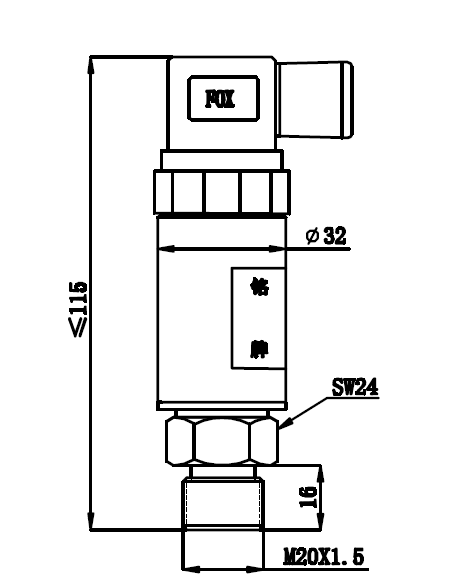
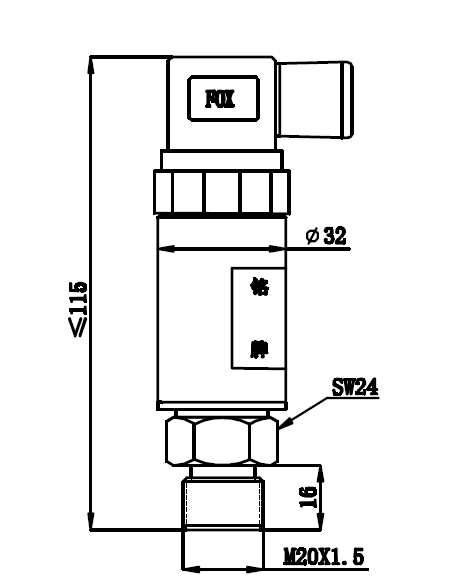
Imagine you’re overseeing a complex industrial operation—one hiccup can lead to devastating consequences. Why do failures always occur during crucial pressure measurements? High accuracy pressure sensors are essential for ensuring the stability and efficiency of these environments. These sensors are not just gadgets; they play a pivotal role in various sectors where precise pressure readings are needed to maintain safety and quality standards.

high accuracy pressure sensor

Body

Flaws in Traditional Solutions

Look, it’s simpler than you think! Many industries have relied on outdated pressure measurement technologies—mechanical gauges, for instance. These can be prone to calibration errors, causing serious issues such as underreporting pressure levels or, even worse, catastrophic failures. With traditional methods, how often do you encounter false readings that disrupt production? The drawbacks are apparent: not only do these instruments lack accuracy, but they’re also affected by temperature fluctuations and vibration.

Principles of New Technology

Enter high accuracy pressure sensors—built on advanced principles of technology that offer unparalleled precision. These sensors utilize cutting-edge materials and electronic components, providing real-time data that is vital for maintaining system integrity. For example, the incorporation of MEMS technology improves reliability, reduces size, and boosts performance—ensuring you’re not only informed but prepared in every scenario.

Quantified User Benefits

Users benefit immensely from these innovations. High accuracy pressure sensors present an incredible reduction in error rates—real-world data shows a decrease in failures by up to 50%. In industries like aerospace or pharmaceuticals, where precision is paramount, having trust in your measurement tools means everything. Businesses report lower operational costs due to reliability, reduced maintenance, and increased output efficiency. Now, that’s something to consider, isn’t it?

Conclusion

When diving into the world of pressure sensors, it’s crucial to verify these 3 metrics when choosing solutions: ① Accuracy ② Durability ③ Calibration stability. Ensuring your chosen technology meets these standards enables a smooth operation and avoids those pesky pitfalls. Don’t settle for less; opt for reliable devices that align with your operational needs. For those seeking top-notch quality, you can find trusted options with providers like CSSPM Sensor.

Exploring Air Pressure Transmitters

When managing your industrial infrastructure, the choice of an air pressure transmitter can make all the difference. Why? Because traditional analog pressure gauges can struggle with accuracy in demanding environments, leading to potential operational failures. A high-quality air pressure transmitter eliminates these concerns by delivering real-time monitoring and control with exceptional precision. The modern devices can handle extreme conditions while maintaining accuracy. Not to mention, they can be integrated seamlessly into existing systems, providing enhanced data collection and analysis, which allows for a more informed decision-making process.

High Precision Pressure Transducers

If you’re considering an upgrade, investing in a high precision pressure transducer is a savvy move. Unlike older technologies that might falter in the face of temperature shifts or shock, these advanced instruments offer robust durability and unwavering accuracy. They’re particularly beneficial in industries such as oil & gas or pharmaceuticals, where even minor fluctuations can lead to substantial cost implications. By choosing a high precision pressure transducer, you ensure reliable readings that empower your operations and safeguard against costly errors, enhancing your overall efficiency.

high accuracy pressure sensor

Conclusion Summary

In summary, when selecting pressure measurement solutions, consider high accuracy pressure sensors, like those from CSSPM Sensor, which offer unmatched reliability and precision. The world is advancing, and your operations should too, by utilizing technology that not only meets but exceeds industry standards. With providers like CSSPM Sensor, you’re sure to find equipment designed to tackle the challenges of modern industry head-on. Always make informed decisions—your operational success relies on it!

Tech

How to Avoid Missteps When Specifying a C&I Energy Storage System?

by Alexis August 2, 2025
written by Alexis

Introduction

Specification drift is the quiet failure mode in energy projects. A C&I energy storage system succeeds or fails on small integration choices. Picture a factory adding a 1 MW battery for peak shaving; the EMS is misaligned by seconds, the inverter setpoints lag, and demand charges drop only 4% instead of 18%. Data from similar rollouts shows that control latency and poor commissioning can erase half the expected ROI—funny how that works, right? So the scenario is clear, and the numbers are not forgiving. The question: where do you tighten the system so payback stays on track? (And how do you make it repeatable.) We start with the supplier layer, then move to technology principles and next steps.

Hidden Pitfalls with Supplier Choices

Why do good specs still fail?

Shortlists look clean until you talk to real operators. When you compare battery energy storage system suppliers, the glossy spec sheets hide friction that drains performance. Service response times vary by region. Firmware cadence breaks EMS compatibility. Grid code updates slip. Look, it’s simpler than you think: ask how each supplier handles edge cases, not just averages. Ask about SOC drift under partial cycling, inverter low-voltage ride-through behavior, and harmonic distortion at light loads. These are the field issues that punch holes in your business case. And they are predictable if you push for evidence—site logs, not just lab reports.

Users often miss three pain points. First, integration lock-in. A closed EMS and proprietary power converters make upgrades costly. Second, lifecycle gaps. Spares, cyber patches, and diagnostics lag the real world by months. Third, commissioning rigor. If the microgrid controller, relays, and CTs are not validated end-to-end, your demand response will underperform. The fix is blunt but effective: define acceptance tests that measure control latency, curtailment accuracy, and black-start sequencing under load. Then tie payments to those tests. Vendors hate it at first—and then deliver better systems. It keeps projects boring in the best way.

Comparative View: What New Tech Changes

What’s Next

Old stacks were grid-following, schedule-driven, and fragile to change. New stacks move to grid-forming inverters, model-predictive EMS, and edge computing nodes. The principle is simple: keep decisions local, keep data flowing, and keep safety hard-wired. With grid-forming control, the battery can set voltage and frequency, stabilizing weak feeders. With digital twins, you simulate dispatch before you risk hardware. And with containerized LFP packs and liquid cooling, thermal gradients stay flat, which extends cycle life. This is not hype; it is control theory meeting field practice. If you compare two suppliers side by side, ask who exposes APIs for fast commands, who supports IEEE 1547.1 test modes, and who validates under fault injection. The gap is visible on day one (see also ).

Pulling threads from above, the lesson is consistent: robust systems reduce surprises. Newer platforms ship with unified diagnostics, firmware rollback, and automated commissioning scripts. That cuts human error and shortens ramp-up. A brief case in point: one logistics site swapped to a grid-forming PCS and halved their dispatch variance in week one—funny how that works, right? From here, keep the lens comparative and forward-looking. Advisory close: use three hard metrics to choose solutions. 1) Control performance: <200 ms closed-loop response for setpoint changes, and verified droop curves. 2) Lifecycle proof: five-year spare parts plan, firmware SLA, cyber hardening with signed images. 3) Interoperability: open EMS interfaces, documented inverter topology, and certified grid-code compliance. Hold to these, and the payback math starts to behave. For further technical depth, see Megarevo.

  • 1
  • …
  • 48
  • 49
  • 50
  • 51
  • 52
  • …
  • 59

Recent Posts

  • Tackling Peak Demand in Automotive Plants: Why High-C-Rate Commercial Batteries Solve the Hard Problems
  • Framework for Silent Waters: Building Smart Automation Rules for Your Pond Aerator via App Control
  • Maximizing Homeowner Satisfaction Through Strategic Chandelier Fan-Light Integration
  • The Gilded Fault Lines of Gazebo Design: A Wholesale Guide to Safer Outdoor Sanctuaries
  • Modular Screw-and-Barrel Playbook: Fixing Color Match and Compound Handoffs in LSR Lines

Recent Comments

No comments to show.

About Me

About Me

Designer

Sed ut perspiciatis unde omnis iste natus sit voluptatem accusantium dolor emque.

Keep in touch

Facebook Twitter Instagram Pinterest Behance Youtube

Popular Posts

  • 1

    Почему стоит выбрать керамический герметичный корпус?

  • 隱形牙套會吸引目光還是被默默接受?企業與用戶的選擇真相

  • 3

    Фасовочно Упаковочные Линии: Ваша Полная Инструкция

  • 4

    А что, если аккумулятор GFM смог бы сам предугадывать нагрузку?

  • Автоматический счетчик капсул: Инновации и преимущества

  • 6

    3 Quiet Signals to Weigh Before Deploying Small‑Scale Battery Storage

Categories

  • App Design (6)
  • Business (116)
  • Global Trade (127)
  • Industry (113)
  • Market (110)
  • Tech (103)
  • UI/UX (7)
  • Web Design (7)
  • Facebook
  • Twitter
  • Instagram
  • Pinterest
  • Behance
  • Youtube
  • Bloglovin
technooloop
  • Home
  • Design Update
  • Business
  • Global Trade
  • Industry
  • Market
  • Tech