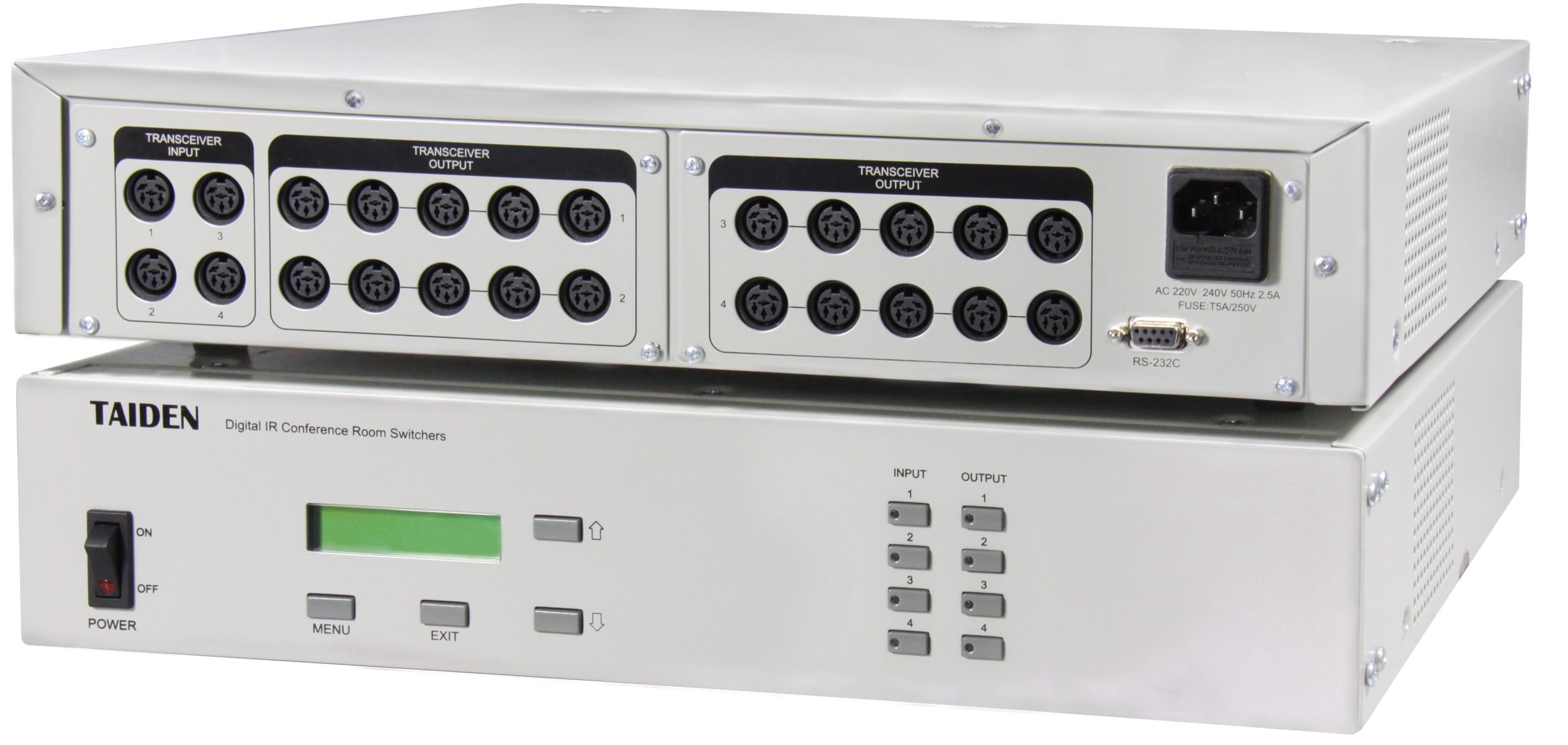
From Prep to Plating: The Real Cost of Wireless Audio
Signal path is the recipe that decides how your meeting sounds. In a wireless conference system, each hop adds color and risk. When teams unbox a new wireless conference room microphone and speaker system, they expect clean gain and easy sync. You picture a boardroom, 14 seats, glass walls, and two laptops per person—steam everywhere. Last week’s logs showed 7% retries at 5 GHz and 160 ms round-trip latency, yet people still asked, “Can you repeat that?” Why does a modern rig stumble when the room gets busy? (And why does the echo show up just as the main point lands?) Look, it’s simpler than you think.
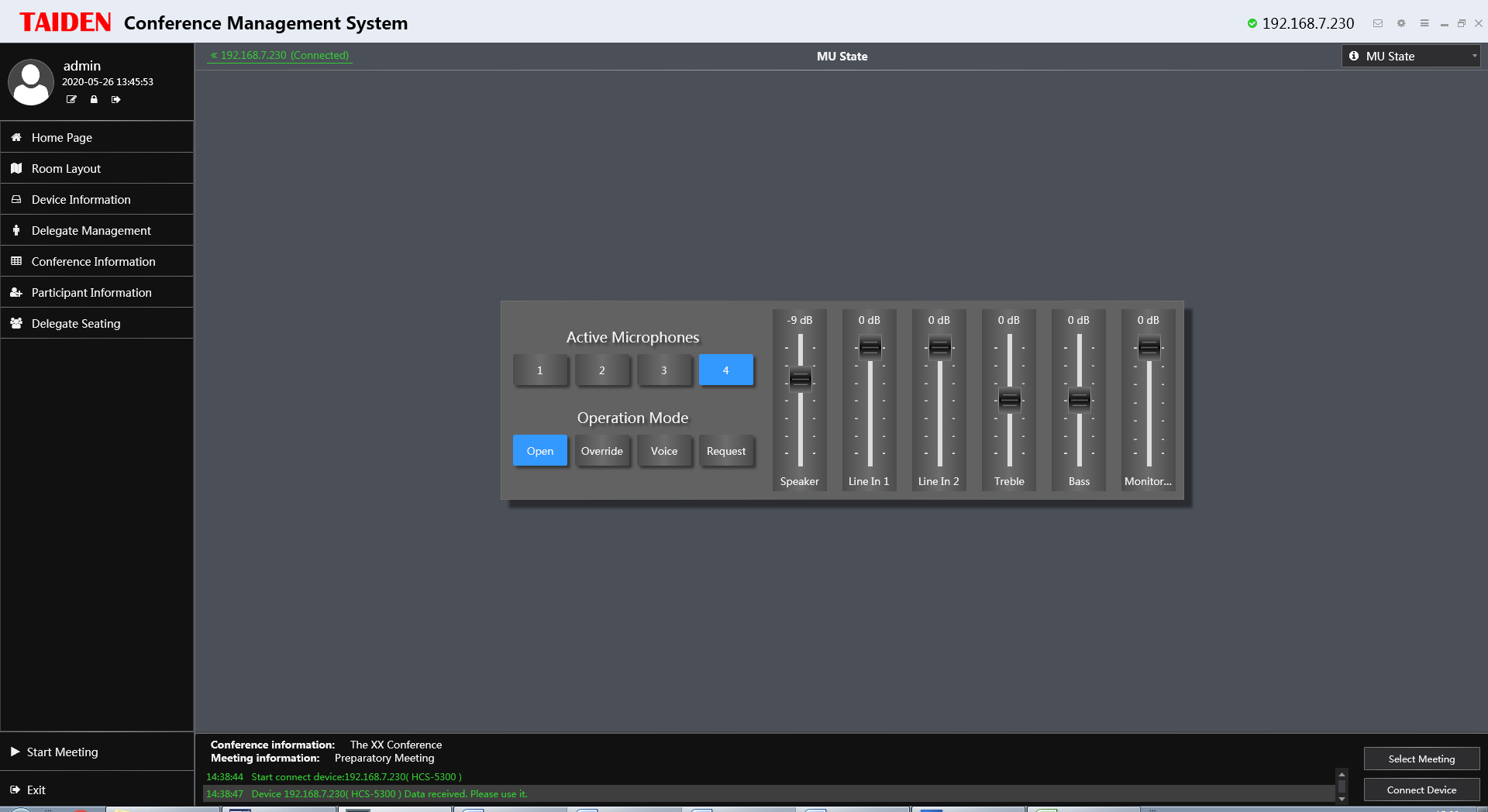
Here’s the deeper layer we often skip. Classic setups were built with analog habits: hot mics, hoping the AGC will catch peaks, and one-size DSP presets. But wireless adds moving parts: shared RF spectrum, access-point handoffs, and unpredictable laptop noise. Beamforming can help, but only when the array is time-aligned and the QoS pipeline is nailed. Many rooms run on mixed firmware, unmanaged power converters, and open SSIDs—small things that stack. The result: clipped syllables, shy talkers lost in the mix, and meeting fatigue. Earlier we mapped the basic components; now we need to fix the weak links that tradition left behind. Next, let’s set the knives in order and compare old habits with digital-by-design thinking.
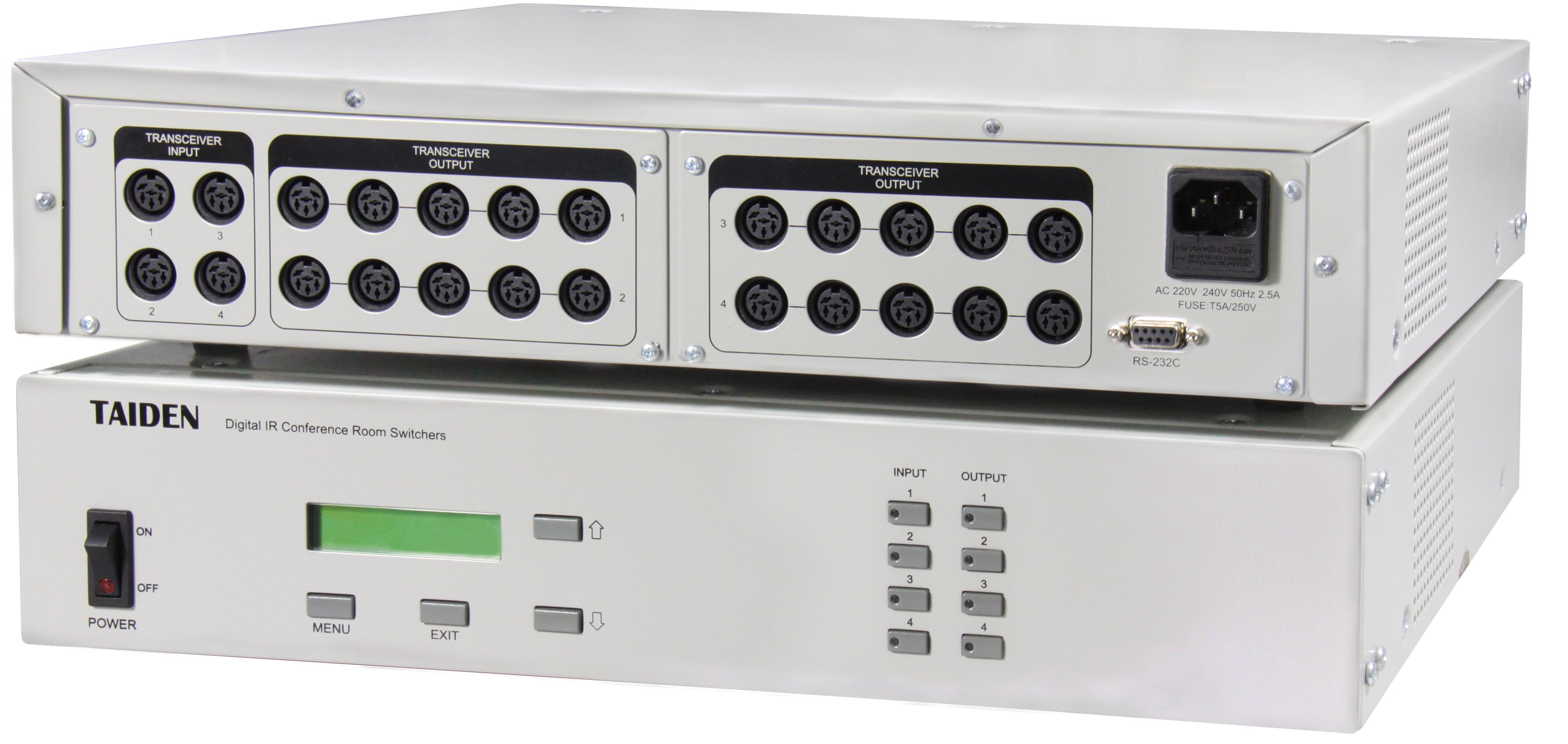
Comparing Paths: Analog Habits vs. Digital-by-Design
What’s Next
Old paths chase problems after they appear. The forward path designs around failure. Digital-first systems treat the room like a kitchen line: tasks in lanes, timing precise. New stacks bind mic channels, clock them, and route speech with deterministic latency. DECT or coordinated 5 GHz plans pre-allocate lanes so packets don’t fight for space—funny how that works, right? Modern DSP handles adaptive echo cancellation at the edge, then hands a clean feed to the cloud. And encryption, like AES-128, is baked in without smearing intelligibility. The aim isn’t “no dropouts ever.” It’s controlled behavior: if the load spikes, the array narrows, the buffer breathes, and speech stays whole.
Here’s the principle shift in plain terms. Yesterday’s approach tuned the room; tomorrow’s tunes the flow. With wireless conference mics, look for systems that coordinate spectrum, align clocks, and prioritize voice packets. That means stable latency, predictable handoffs, and clear gain structure. Summing up our path: we found the hidden costs in analog habits, saw how RF chaos creeps in, and learned why time alignment beats last-minute fixes. To choose well, use three checks: 1) Intelligibility: target an STI that stays high with two people speaking; 2) Round-trip latency: keep it consistent, not just low; 3) Channel stability: watch retries and dropouts during full-room use, not empty-room tests. Keep it practical, keep it measured—and keep it human. Brand to watch for thoughtful implementations: TAIDEN.