Why a framework beats guesswork
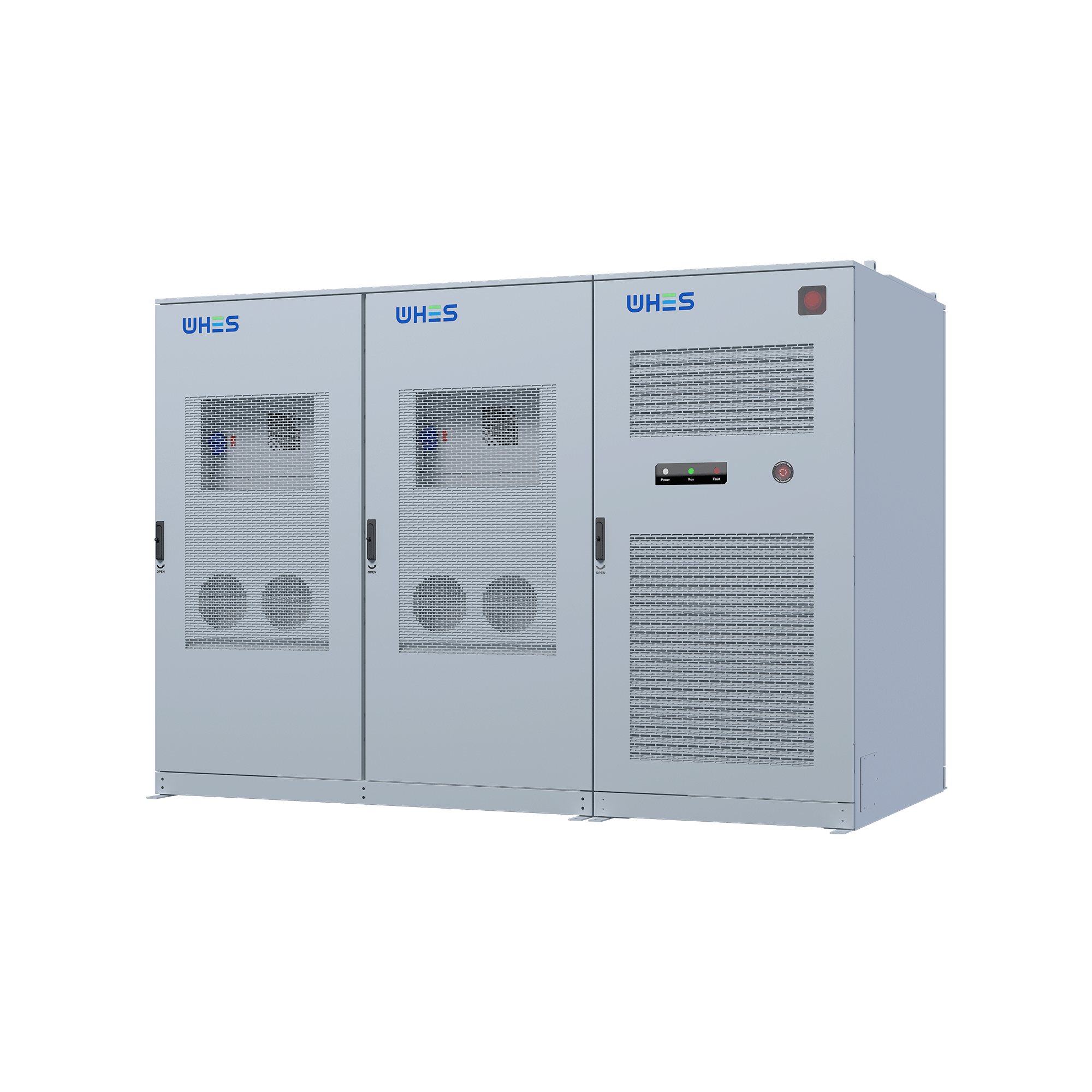
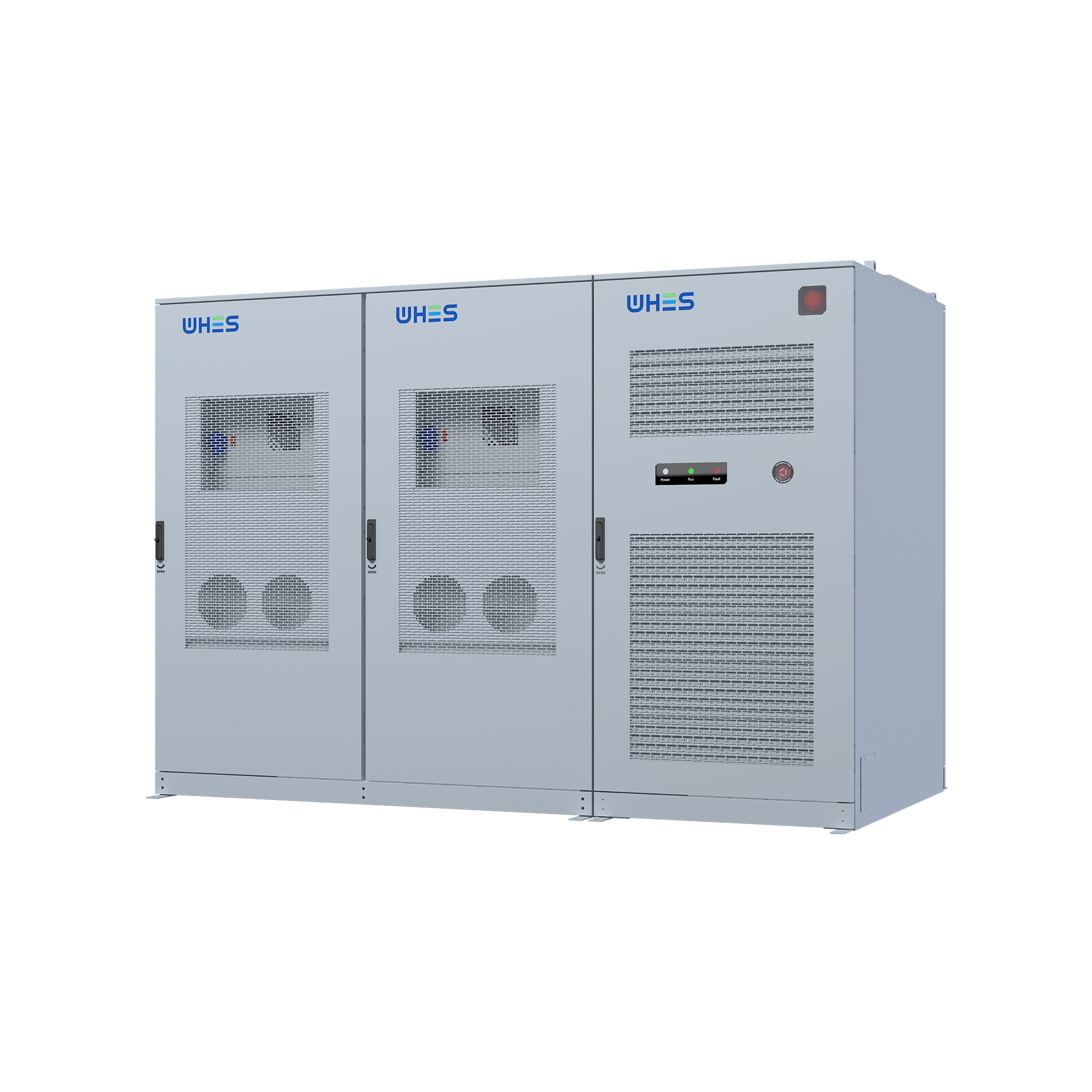
If you run a utility or sit on a planning team, you know curtailment is more than an annoyance — it’s lost clean energy and revenue. A repeatable framework helps you turn that problem into actionable steps. Start by thinking in terms of the asset pair: distributed solar (50 kW-scale arrays are a common modular building block) and a co-located commercial energy storage unit that can absorb midday oversupply and shift energy to peak demand. This approach tackles transmission congestion locally, flattens dispatch variability, and reduces negative pricing events that systems like CAISO have often reported during heavy-solar days — a real-world anchor that shows the strategy works where curtailment has been visible.
Four-step framework to mitigate curtailment
Here’s a compact, repeatable playbook utilities can put into policy and practice:
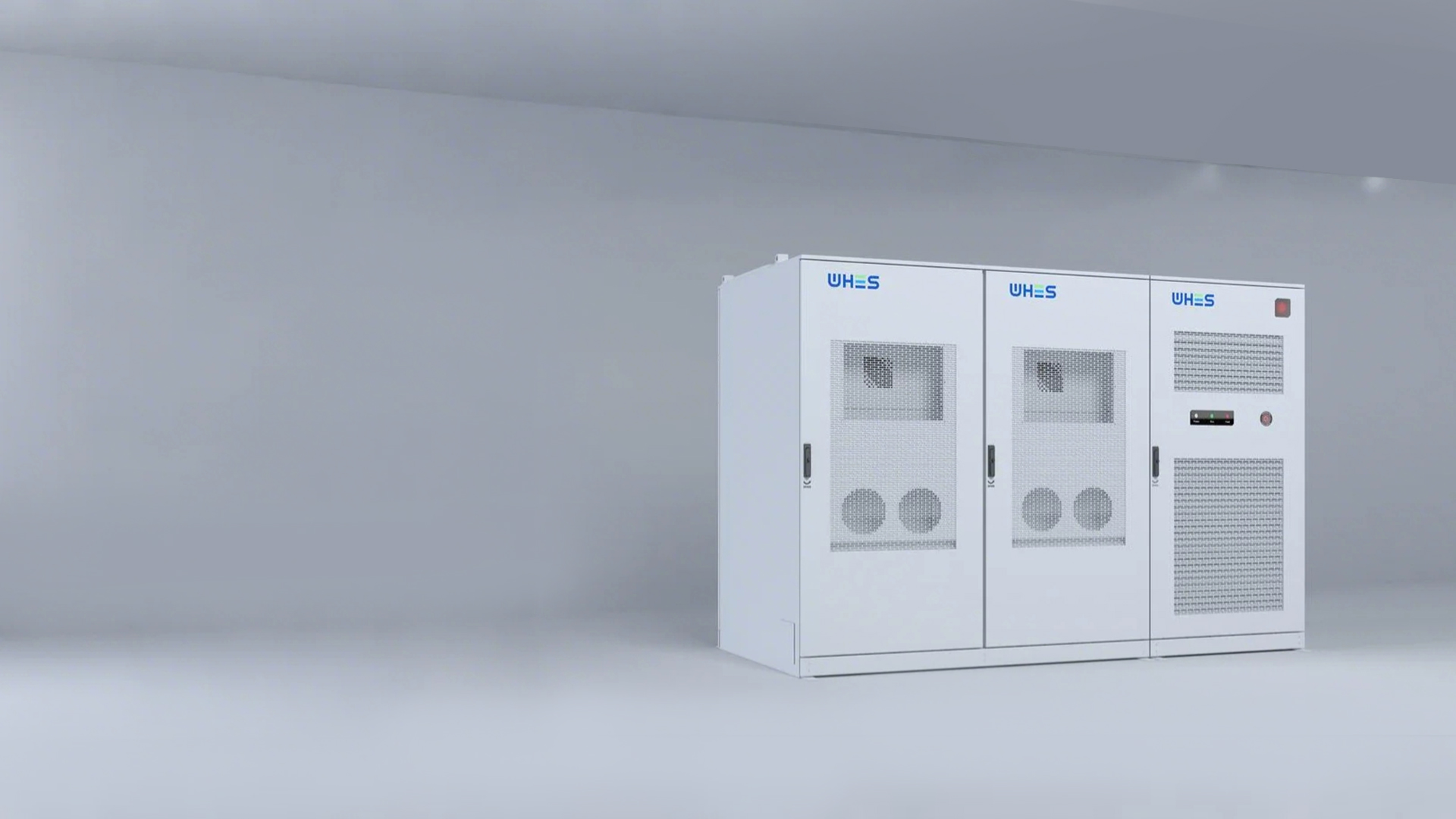
– Assess grid pain points: map feeders and substations that hit export limits or see frequent negative prices. Use historical SCADA and market data to quantify curtailment events. – Model targeted deployments: simulate 50 kW PV plus battery pairings at candidate nodes to estimate avoided curtailment and required charge/discharge cycles. Include state-of-charge (SoC) constraints and inverter limits. – Design the procurement and interconnection path: pick BESS hardware, specify charge rates, and lock protection settings that meet grid codes. Pre-define test procedures for commissioning. – Operate and refine: deploy real-time control logic (peak shaving, load shifting) and tune dispatch algorithms based on measured performance and tariff signals.
Sizing and siting: practical heuristics
For a lot of feeders, the math is simple: a 50 kW PV installation paired with a 100–200 kWh battery can absorb midday generation and deliver a meaningful chunk during late afternoon peaks. That’s enough for short-duration peak shifting and local voltage support without overbuilding. When you choose siting, prioritize nodes where line constraints, feeder topology, or traditional congestion costs make curtailment both frequent and costly. Remember to factor inverter ratings, round-trip efficiency, and expected cycle life into your ROI model — you’re not just buying capacity, you’re buying controllable megawatts when the grid needs them.
Control strategies that actually work
Two operational patterns tend to deliver the most value:
– Time-shift dispatch: charge during midday solar surplus and discharge into evening peaks to reduce upstream flow and avoid curtailment. – Dynamic export management: temporarily absorb exports when transmission limits bind, then dispatch later — this reduces instances of forced PV curtailment and preserves renewable energy value.
Both require a BESS with predictable SoC management and a responsive inverter — integrate those requirements into specs early so your vendor delivers the control fidelity you need.
Procurement and integration notes — and common mistakes
Buyers often make the same three mistakes: under-specifying control interfaces, ignoring total lifecycle costs, and assuming interconnection is automatic. Don’t. Specify telemetry and control APIs up front for remote setpoints and firmware updates. Evaluate the industrial and commercial energy storage system as more than hardware — include commissioning, software, and warranty terms in the contract. Also, plan interconnection studies early; queue times and protection settings can eat months off your timeline — and yes, you should budget for iterative protection coordination tests. —
Monitoring, KPIs, and a quick test plan
To prove value, track a short list of KPIs over the first 6–12 months: curtailed MWh avoided, peak local feeder MW reduction, battery round-trip efficiency, and cycle depth frequency. Run A/B tests where feasible — deploy a control site without storage and compare outcomes. Use rolling 30-day windows to smooth weather-driven noise and be ready to tweak dispatch logic as tariffs or export rules change.
Alternatives and when to pick them
Large-scale transmission upgrades, demand response programs, and generation redispatch are all valid ways to reduce curtailment. Choose distributed 50 kW + battery deployments when you need targeted, fast relief at constrained nodes and when capex for major transmission projects can’t be justified. If you need bulk energy shifting across regions, bigger centralized BESS or transmission work may be better — but for many circuits, the modular approach is faster and more cost-effective.
Advisory: three golden rules for deployment decisions
1) Measure the real curtailment baseline: decisions based on anecdote fail. Use a full year of telemetry where possible. 2) Specify operational fidelity: require proven SoC control, inverter ramping, and remote telemetry in procurement documents. 3) Use total cost of ownership: include cycle degradation, O&M, grid study costs, and opportunity value from avoided curtailment when comparing solutions.
Taken together, these rules let you pick systems that actually reduce wasted renewable energy and improve local grid performance. In practice, that’s where vendors that offer integrated hardware, software, and commissioning support stand out — and where a partner like WHES becomes a natural fit for utilities looking to move quickly and reliably. —