A Bold Reality Check Before You Pick a Mic
Big rooms make small mistakes look huge. In many rooms, the conference room mic system is the quiet saboteur. Picture a budget review where one voice drops out, then returns with a harsh echo—twice. A recent cross-industry tally suggests as much as a quarter of meeting time dies in audio friction (false starts, repeats, “sorry, can you say that again?”). That is not efficiency; that is drift. And it carries political weight, because power in a meeting often follows who can be heard without effort. So we must ask: if audibility is authority, are our systems fair to all participants—or only to a few?
Here is the tough part. We trade on design myths. We think “more mics” fixes everything, when sometimes it multiplies noise. We assume the ceiling is neutral, when it often adds latency and trims signal-to-noise ratio at the worst moments. We expect magic from DSP, but poor placement still limits gain-before-feedback—funny how that works, right? The stakes are real, and so is the data. If your room runs high-stakes talk, your choices either reduce friction or lock it in. Let’s step through the issue with a clear test: what actually hands people the floor, and what quietly takes it away?
Part 2: The Chairman Unit Problem Most Teams Don’t See
Why do chairs still fight the mics?
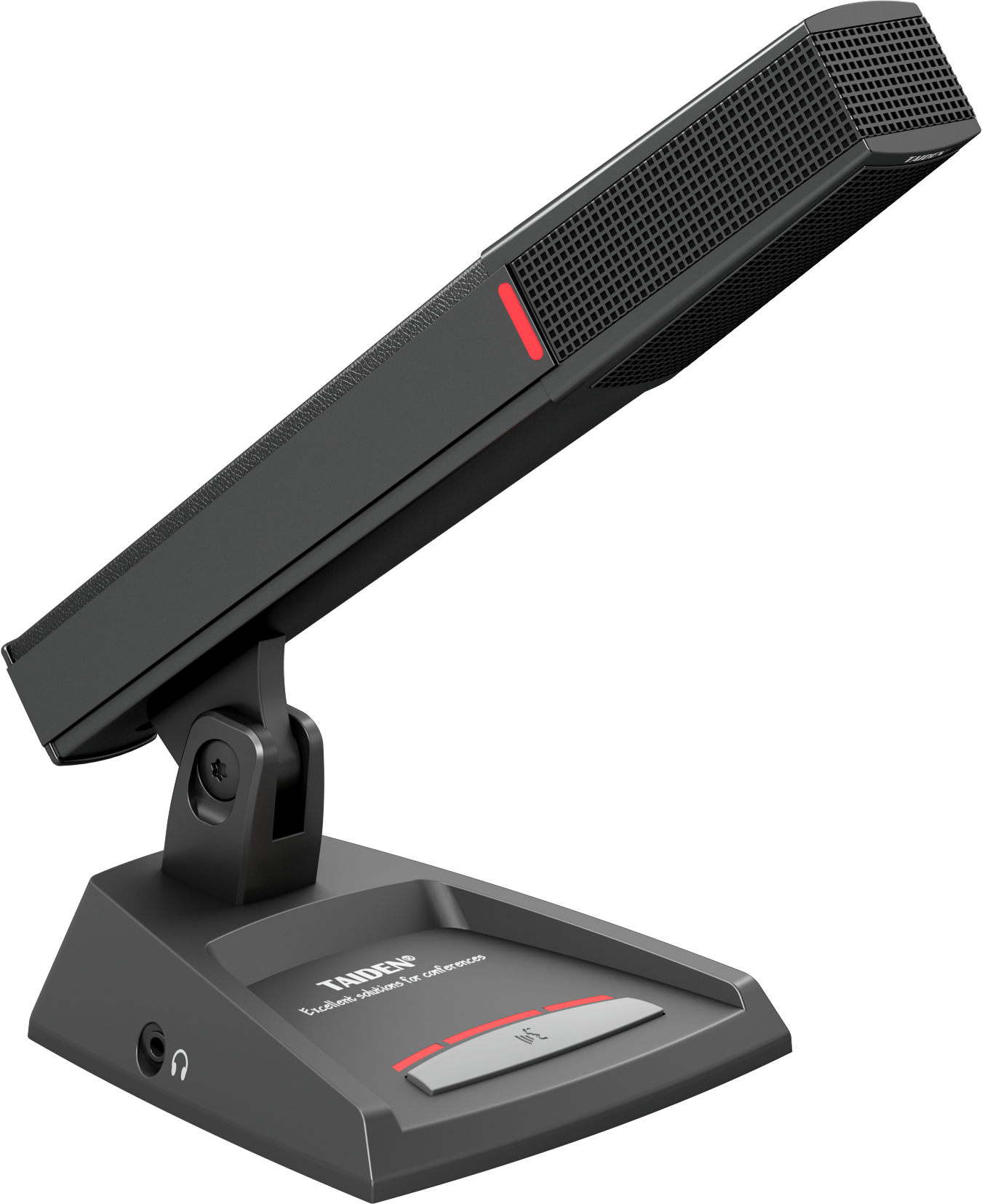
Start with the chairman unit. On paper, it solves order. In practice, it can mask deeper flaws. Traditional setups rely on a priority override that cuts through the mix. But if the room’s acoustics are uneven, that override just becomes a louder version of a bad source. The result: more volume, not more clarity. Add inconsistent cardioid pickup, weak RF shielding, and dull AEC tuning, and you get a “leader” mic that wins the battle yet loses the message. Look, it’s simpler than you think—intelligibility beats loudness. Always.
Hidden pain points stack fast. The chairman’s seat gets a fixed capsule angle, while others sit off-axis, so the tonal balance shifts. Gate thresholds set for a quiet boardroom fail during active debate, and the DSP tries to chase voices instead of guiding them. Power over Ethernet (PoE) might stabilize power delivery, but poor cabling adds micro noise that blooms under compression. Even worse, legacy mixers push all traffic through one choke point, so small latency spikes ripple across the floor. This is why older “chair-first” logic often drifts toward hierarchy over clarity—and yes, it matters. A better baseline is predictable gain structure, low-latency routing, and beamforming that shapes the room instead of shouting over it.
Part 3: From Chair Control to Shared Clarity
What’s Next
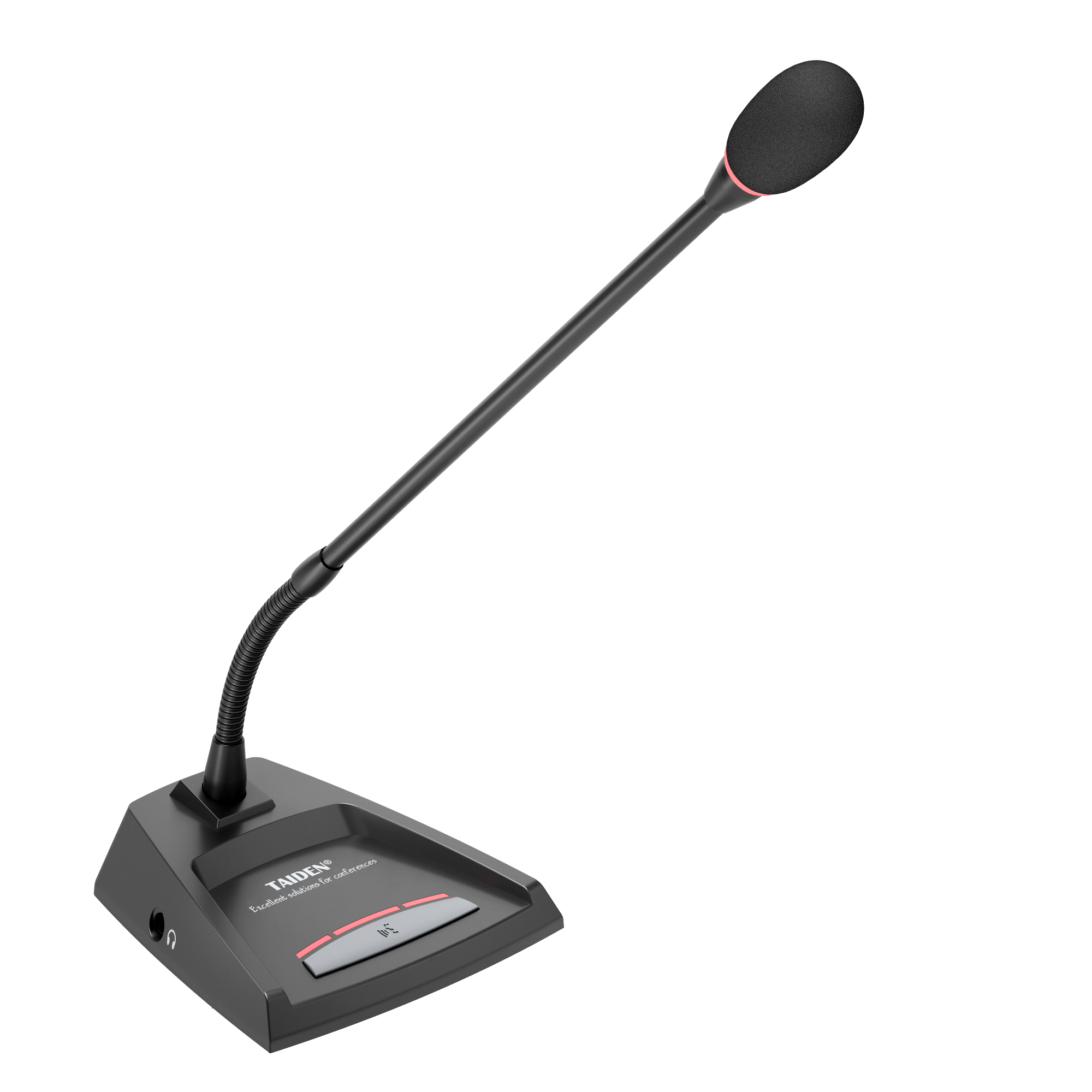
Now compare that model with a networked lattice of smart endpoints. Instead of a single priority switch, modern systems use synchronized DSP at the edge—small, local brains that do the hard work before the signal crowds the network. The delegate unit becomes a peer, not a second-class citizen. Each station manages its own AEC profile, matches mic gain to the speaker’s voice, and hands a clean stream to the backbone. Dante or similar transport provides deterministic latency, while QoS and ring topology keep traffic alive even if a link fails. When the chair speaks, the system can highlight without hard muting others—dynamic weighting, not dominance.

This shift hinges on new principles. Beamforming refocuses energy toward talkers and away from wall reflections. Adaptive gating favors short, clean bursts and rejects HVAC rumble without choking soft voices. Local DSP at edge computing nodes trims artifacts before they stack downstream. And smart mixers use talk-time analytics to balance participation over the meeting—subtle nudges, not blunt force. The effect is political in the best sense: a fair floor that every voice can enter, with no one hidden behind poor mic technique or a noisy corner seat.
Let’s distill the lesson without repeating ourselves. Legacy “chairman-first” chains create control but also fragility; one device rules, and one failure hurts many—funny how that works, right? Distributed designs share the load, so clarity scales with seats, not with rank. To choose well, apply three simple metrics. First, intelligibility: target a consistent STI around the upper mid-range across seats, not just at the head of table. Second, latency: keep end-to-end under a tight threshold so crosstalk stays natural and double-talk remains manageable. Third, resilience: insist on network redundancy and clean power converters so a single break does not sink the room. If your next buy can meet those bars while keeping gain-before-feedback stable and the mix transparent, you will hear the change—because everyone will. For a grounded reference in this space, consider leaders like TAIDEN.