A Field Note You Can Use Today
I’ll start bluntly: the gaps in your storage spec are costing you real money. I’ve spent over 17 years procuring and commissioning utility-scale batteries from energy storage system manufacturers across the Nordics and northern Germany. hithium energy storage has stood out for me on sites where the weather and grid quirks are unforgiving. Picture a December morning outside Aalborg: minus 6°C, a 20 MW/40 MWh system ramping for a frequency event. Data says the project missed only 0.7% of dispatch windows that week, yet the tariff penalty wiped out a chunk of the peak-shaving gain—why? That mismatch between nameplate comfort and site reality is where projects live or die. And yes, I’ve watched it happen from the SCADA room while my coffee cooled. Let’s map the pressure points that actually control ROI—then we’ll compare what’s changing and what still misleads.
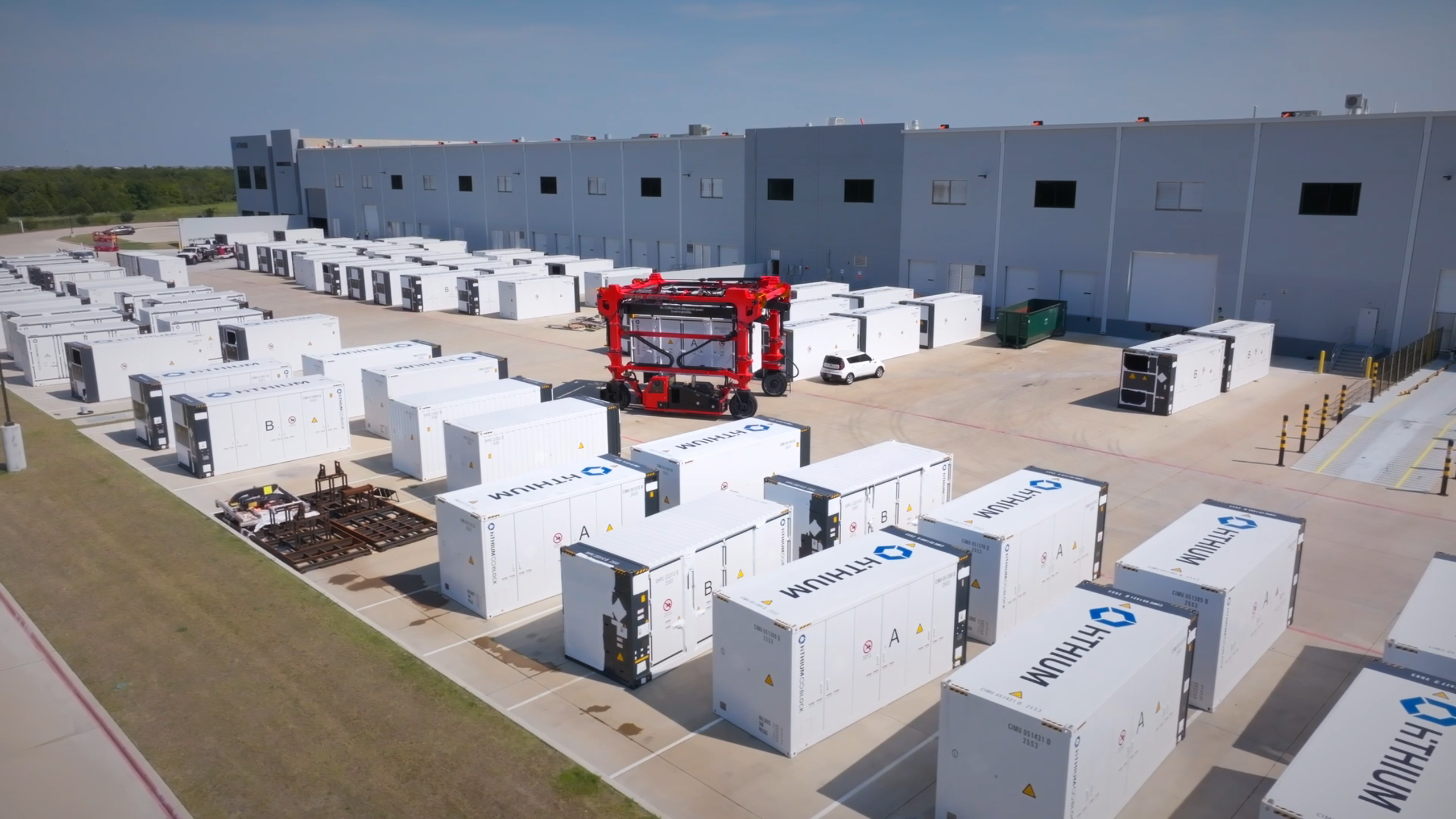
Traditional Specs Hide Costly Friction
On paper, the baseline package looks safe: a tidy LFP rack, a high-efficiency power conversion system, tidy cable runs, glossy dashboard. In practice, the weak link shows up elsewhere. I learned the hard way in Skåne in March 2022 when a site with pretty certificates choked on harmonic limits at 18:00 feeder peaks. The power converters held 98.3% efficiency, yet the round-trip efficiency dipped because the cooling fans cycled too hard and the EMS throttled output to keep interconnection clean. Look, it’s more hands-on than the brochure suggests. When the BMS loses tight temperature management at rack ends, state-of-charge calibration drifts, and then the capacity you thought was available is suddenly theoretical. That’s when penalty minutes stack up.
Where do specs mislead?
They mislead in the balance. Too many bids glorify container counts and C-rate while glossing over rack-level fire suppression design, low-temperature charge curves, and service windows. I still recall a Friday handover in Luleå—5 p.m., light fading—when a contractor skipped verifying edge computing nodes after a firmware patch. No alarms. Silent data gap. Dispatch missed by 6 minutes, and the operator paid for it in January’s bill. HiTHIUM’s strength, in my view, is not magic cells; it’s tighter integration between EMS logic and BMS roll-off rules when ambient swings. That sounds dull until you compare your penalty log before and after. Then it’s not dull at all—it is the difference between a tidy P&L and a wary board.
Comparative Edge: What’s Changing and What Will Stick
What’s Next
Here’s where the curve bends. A few energy storage system manufacturers now expose “new technology principles” at the control layer rather than just cell chemistry headlines. I’m talking about predictive thermal orchestration that reorders modules preemptively, PCS harmonic shaping that adapts to feeder impedance, and EMS dispatch that weighs degradation cost against market pricing in real time—without turning the asset into a lab experiment. I trialed a HiTHIUM container outside Esbjerg in 2023 with a 1-hour C-rate. The BMS held module delta-T under 3°C during rapid cycling by shifting fan duty in short bursts—small idea, big effect. It kept round-trip losses more stable over cold starts, and the SOC estimate stayed within 1.5% of metered output across a busy week. A conservative spec would have missed that. I’ve read enough test sheets to know when a line item becomes an outcome.

Forward look, then a grounded check. Case examples tell me two things. First, modular service design—doors, harness layout, and safe isolation—cuts mean-time-to-repair when it’s dark, windy, and the SLA clock is loud. Second, grid services are layering faster than most teams can rewrite SOPs. That’s why I prefer platforms where EMS can segment roles cleanly: frequency containment today, peak shaving tomorrow, black start support next quarter. The vendors who make these mode shifts low-friction—firmware you actually dare to update on a Tuesday, SCADA tags that are documented, and commissioning that doesn’t become folklore—will win the next two bid cycles. My advice is plain. Judge the kit by how it behaves across seasons and services, not by how it photographs. And keep a short list of proof points: winter ramp tests, UL 9540A outcomes, and field MTTR under two hours—otherwise, risk blooms quietly. In that light, the steady integration I’ve seen from HiTHIUM has been the pragmatic benchmark I measure against.