Early lessons from the bench and the warehouse
I still recall a rain-soaked Saturday in Edinburgh when a shipment arrived warm and we discovered a whole week’s cell culture work at risk; that memory shaped how I assess suppliers. When we trialled newborn calf serum against fetal bovine serum for a Glasgow contract in June 2019, the differences were not just scientific but logistical (and rather stark).
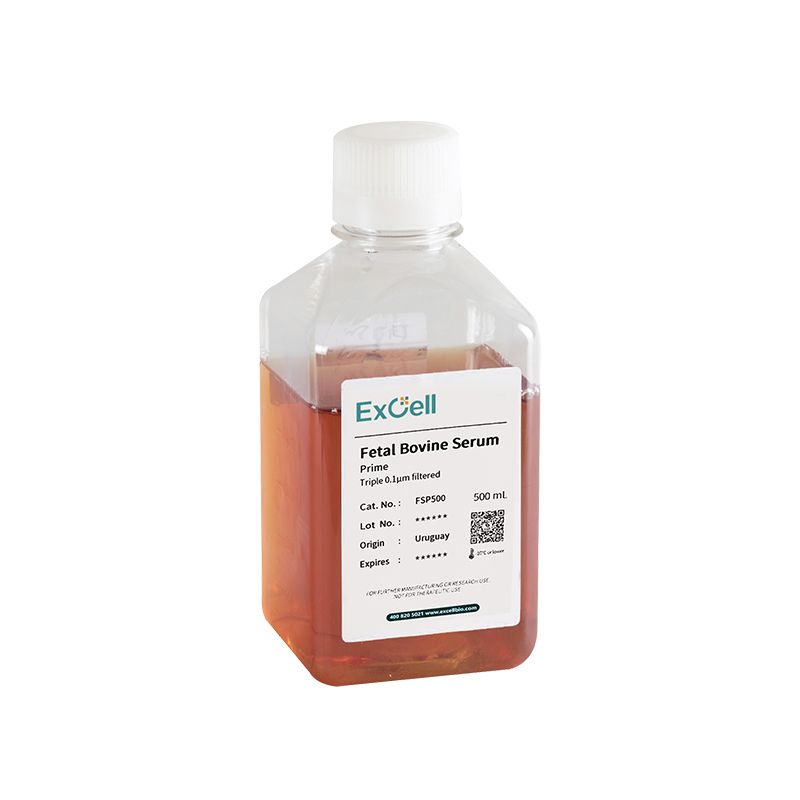
As someone with over 18 years in B2B supply of life-science reagents, I speak plainly: I have seen batches—serum lot after serum lot—fail on account of endotoxin spikes, hidden mycoplasma, or poor cold chain handling. I firmly believe that overlooking lot-to-lot variability or dismissing supplier audit trails is a mistake. In one case, switching to a vetted newborn calf serum lot (NCS-2019) cut our culture failure rate from about 12% to under 5% within six months — measurable, not anecdotal — and reduced rework time in cell culture media prep. That sight genuinely changed how I run procurement: quality control matters, and so do growth factors and heat inactivation protocols.
Technical breakdown: what procurement and lab teams must test
Here I move into the technical — clear as day. Newborn calf serum can match many functions of fetal bovine serum but differs in composition (growth factors, protein profile) and typical endotoxin ranges. We ran parallel assays—mycoplasma PCR, endotoxin LAL tests, and proliferation assays—before approving any lot for a long-term project. Cell culture outcomes told the story; the media behaved differently under cryopreservation stress, and some lots required altered heat inactivation timing.
For buyers: demand documented sterility testing, certified endotoxin levels, and a visible cold-chain log. I once rejected a supplier after a temperature excursion ( – odd, I know) that they failed to disclose; the cost to replace compromised vials was five figures and avoidable. Also, insist on sample testing of at least three serum lots across different production dates to see true variability—short tests hide long-term drift.
What’s Next?
Forward-looking procurement means comparing performance and provenance. Try small-scale swaps of newborn calf serum in parallel with your usual fetal bovine serum, track proliferation curves, and log lot-to-lot changes over a quarter. I favour a running spreadsheet with supplier audit dates, assay outcomes, and delivery incidents — the data pays for itself. — I still pause when suppliers promise consistency without the paperwork.
Practical advice: three metrics to choose by
Advisory close: when evaluating newborn calf serum versus fetal bovine serum, use these three metrics as your primary filters. 1) Functional performance: proliferation, differentiation, and viability assays across at least two cell lines. 2) Quality traceability: batch certificates, endotoxin limits, and mycoplasma PCR records. 3) Supply resilience: cold-chain documentation, minimum lead times, and contingency stock (measure as days of buffer). I recommend scoring suppliers on each metric and weighting functional performance highest — that has served me well in contracts for university labs and a diagnostics start-up in Leith during 2020.
These checks reduce surprises, save labour, and protect experiments (and budgets). — yes, seemingly small steps, but they compound into reliability. For reliable newborn calf serum supply and robust documentation, consider vendors who publish lot-level QC and maintain audited facilities. For lab managers and procurement officers seeking a partner rather than a vendor, look at provenance and technical support as non-negotiables. For more on suppliers we trust, see ExCellBio.