Introduction: A Worksite Scene, Some Data, and a Question
Have you ever watched a maintenance crew freeze mid-task because a tool just won’t behave? That pause — where everyone double-checks the checklist and the air hums with tension — is a common scene on industrial sites. In many of those moments, non sparking sockets play a starring role; they’re meant to keep sparks and ignition risks at bay, yet incidents still happen (frustrating, right?).
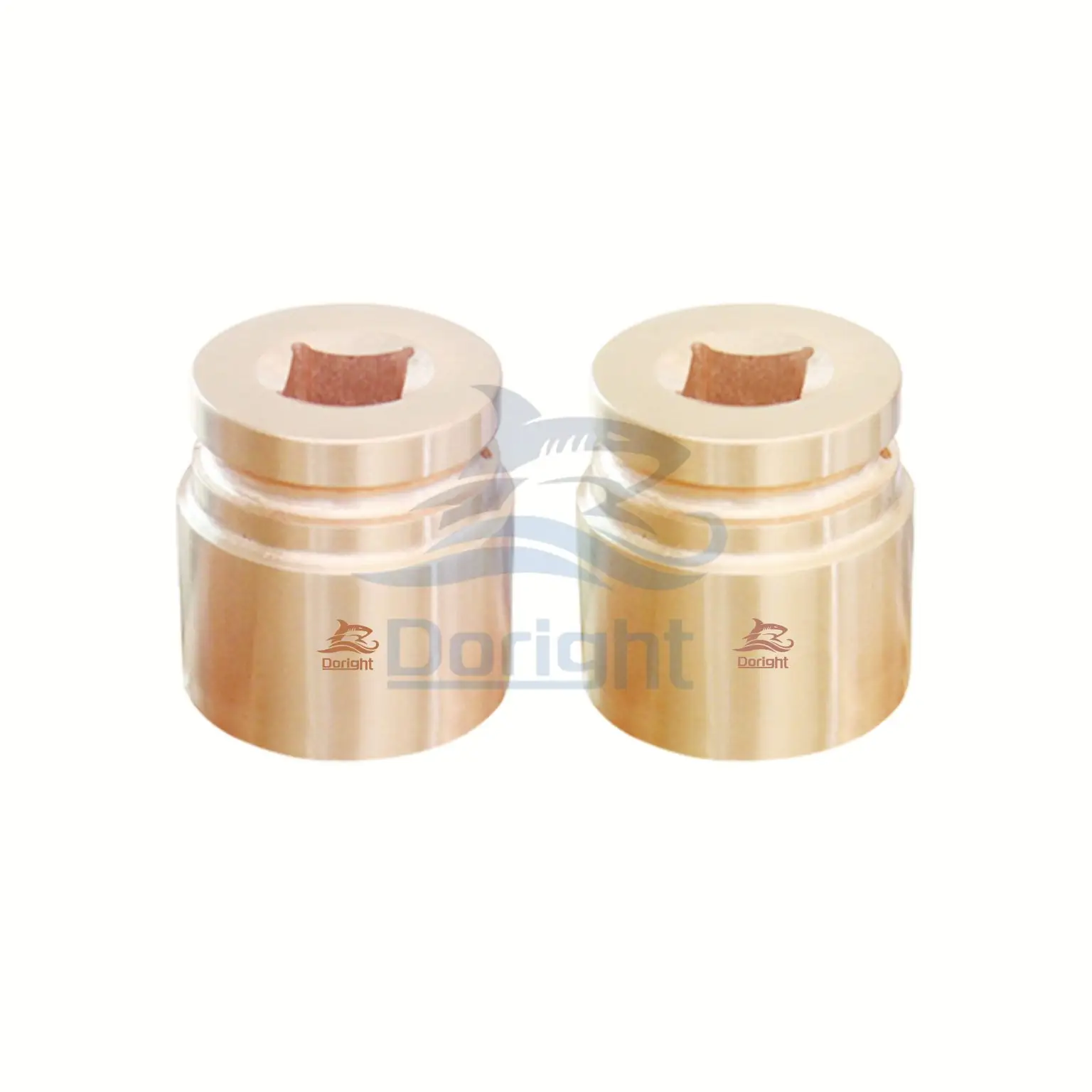
I’ve tracked small job-site records and seen a pattern: roughly 15–20% of tool-related delays come from poorly matched sockets, worn contacts, or overlooked torque issues. So here’s the question I keep asking: why do we still hit the same problems when the gear is supposed to be safer? That’s what I want to dig into next — the hidden breakdowns behind the tool bench.
Deeper Issues: Why non-sparking socket heads Underperform
I’ll be blunt: the design doesn’t always match the use. When I examine failures, two things repeat — mismatch and wear. Look, it’s simpler than you think: crews buy a set of non-sparking socket heads and expect them to behave like chrome sockets. They don’t. The metallurgy, the contact geometry, and even surface finishes are different. Those differences matter for torque transfer and reliability.
Directly, the faults fall into a few buckets. First, material fatigue — especially in environments with vibration and thermal cycling — causes microfractures in soft metal alloys. Second, poorly matched power converters or torque tools create uneven loading and premature wear. Third, overlooked grounding and anti-static measures let electrostatic discharge sneak into the workflow. I often tell teams: if your edge computing nodes or sensors report odd torque curves, don’t blame the network first — check the hardware interface.
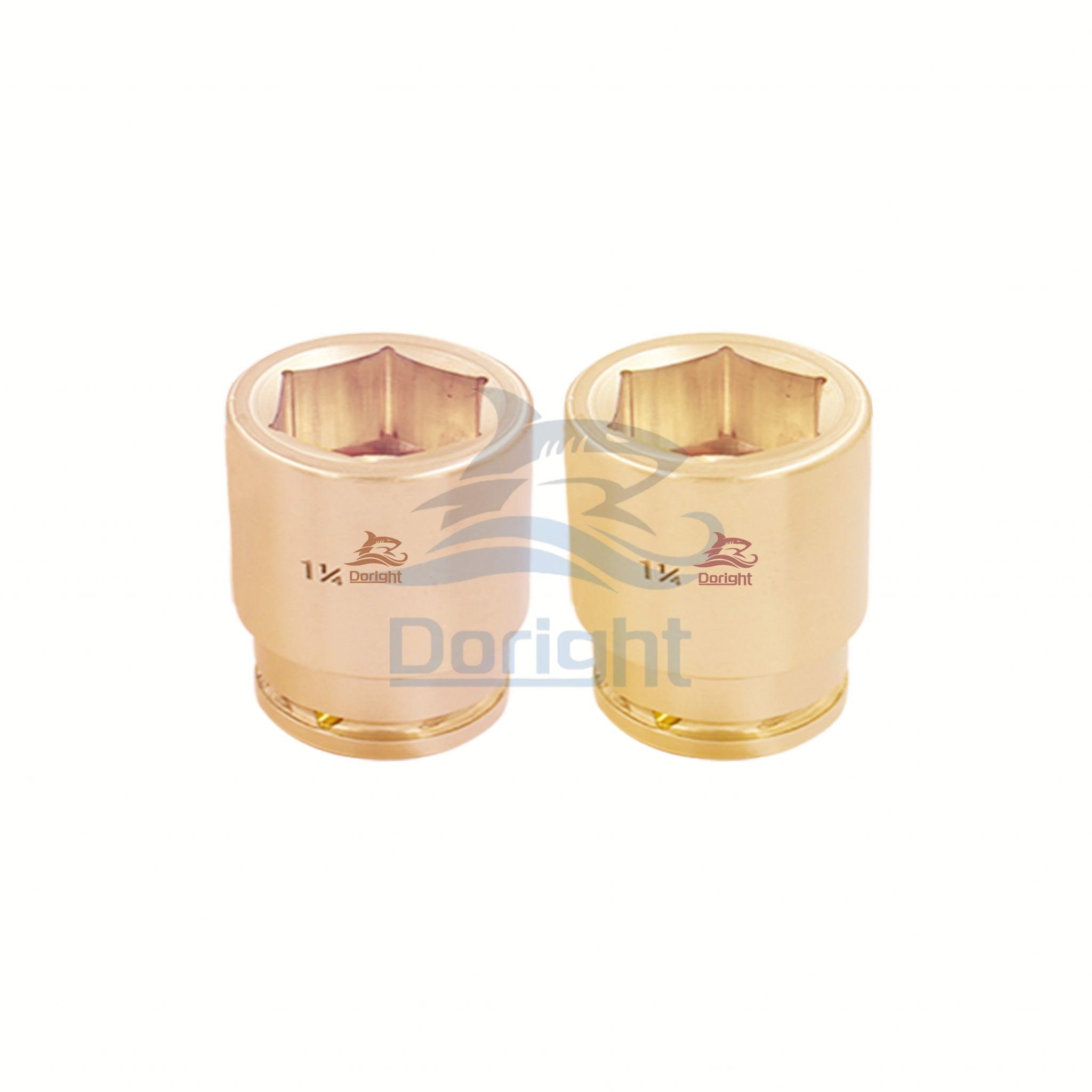
What exactly goes wrong?
In practice you’ll see rounded corners, stripped drive squares, and sockets that no longer seat fully. Those small failures cause more rework than any catastrophic event. They slow crews, raise stress, and increase human error. I’ve watched a one-hour maintenance slot stretch into half a day because a socket head wouldn’t clear a seized fastener — and yes, that’s maddening when deadlines loom.
Practical Fixes and a Forward-Looking Outlook
Moving forward, I want to frame the improvements as practical principles rather than buzzwords. Start by aligning specifications — don’t bolt a standard torque driver to a specialty non sparking socket expecting ideal results. Instead, match drive size, material hardness, and service environment. When I pilot upgrades I also push teams to test under real load (not just bench checks) and to log performance metrics from the first use.
There’s also a tech angle: integrating simple condition monitoring — vibration readings, temperature spikes, and torque variance — can highlight failing sockets before they cause delays. We’ve begun pairing basic sensors with routine checks; the payoff is fewer surprises and better scheduling. And yes — funny how that works, right? The practice costs some time up front, but it usually saves a day or more over a month of operations.
What’s Next — Real-world Criteria?
Here are three practical metrics I use to evaluate solutions: 1) retention of torque accuracy within ±5% after 500 cycles, 2) visible wear threshold (no rounding or seating loss) after environmental testing, and 3) compatibility score against the site’s power converters and anti-static grounding plan. These aren’t theoretical; they’re things I ask vendors and crews to prove on the job.
To close, I’ll say this plainly: better outcomes come from small, consistent checks and smarter matches between tools and tasks. We can reduce downtime, cut frustration, and keep crews safer — not by one big fix, but by a set of clear, testable choices. If you want practical gear options and validated specs, I recommend checking out Doright. We’ve relied on suppliers who prove performance, and the difference is real — measurable in hours saved and fewer tense afternoons on the job.