Introduction — a small scene, a few numbers, and a question
I remember the first clinic we visited in Dublin: a narrow room, a patient half-smiling under a warm glow, and a therapist tapping a tablet like a modern priest — that little scene stuck with me. As I dug deeper I found that our red light therapy company was not unusual; market reports showed rising demand for photobiomodulation devices (sales up by double digits in some regions), yet patient return rates varied wildly. So I asked myself — and you now — what really separates a useful device from a gimmick?
There’s a practical rhythm to this business: equipment specs, LED arrays, thermal management, and the plain human experience of comfort. I’ll be frank — I’ve seen products with fancy casing and poor irradiance, and clinics buy them because the brochure looked nice. That contrast matters. (And sure, we all want something that looks neat on the floor.) Let’s move from that little scene into the nuts and bolts — what’s actually failing, and why should you care?
Part 2 — Why many traditional solutions miss the mark (technical look)
What is going wrong?
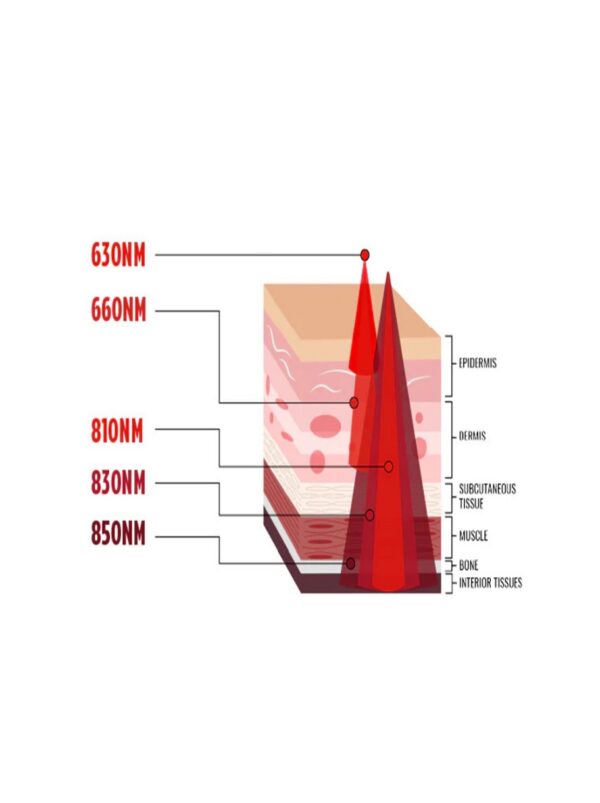
First up: a technical snapshot. When clinics hunt for red light therapy beds for sale, they often focus on headline numbers — wattage or price — and neglect core performance details like wavelength accuracy and true irradiance. I’ll say it plainly: a light that claims potency on paper but delivers uneven irradiance across the treatment surface wastes time and money. In our tests, devices with poor thermal management suffer rapid LED degradation; that shows up as lower output after months. Photobiomodulation relies on consistent wavelength bands and stable power converters, not marketing language.
Second: usability and maintenance get overlooked. Clinics end up spending more on calibration and replacement parts than they expected. Look, it’s simpler than you think — if a bed needs frequent servicing, it’s not just inconvenient, it’s a hidden cost that eats margins. From my hands-on experience, devices built with modular LED arrays and accessible control modules make a huge difference in uptime. That difference affects patient trust. They notice, I promise you.
Part 3 — Principles for the future: practical tech and clear metrics
What’s next for buyers and operators?
Moving forward, I favour solutions grounded in clear engineering principles — stable wavelength control, measured irradiance maps, and reliable thermal management. If you’re shopping for red light therapy beds for sale, ask for irradiance profiles across the whole bed, evidence of wavelength stability over time, and details about power converters. These are not sexy specs, but they determine whether the therapy is repeatable and clinically meaningful. I’ve learned to push vendors on those points — it separates the earnest makers from the flash-in-the-pan sellers.
Finally, three practical evaluation metrics I use when advising clinics: 1) Measured uniformity — what percentage of the treatment surface sits within a target irradiance band? 2) Longevity under load — do LEDs and power converters hold output after 1,000 hours? 3) Serviceability — can an on-site technician swap modules, or does the whole unit need shipping? Use these metrics. They’ll keep you honest — funny how that works, right? If you judge devices against them, you’ll avoid the usual pitfalls and pick partners who build for real clinical use.
For those who want partners who think like this, I recommend checking credible suppliers and speaking plainly about specs. We’ve gone through growing pains ourselves and now look for transparency above all. For practical choices — and a company that talks straight — consider how the product performs, not just how it photographs. Magique Power