Why the CPU choice matters for a medical-grade tablet
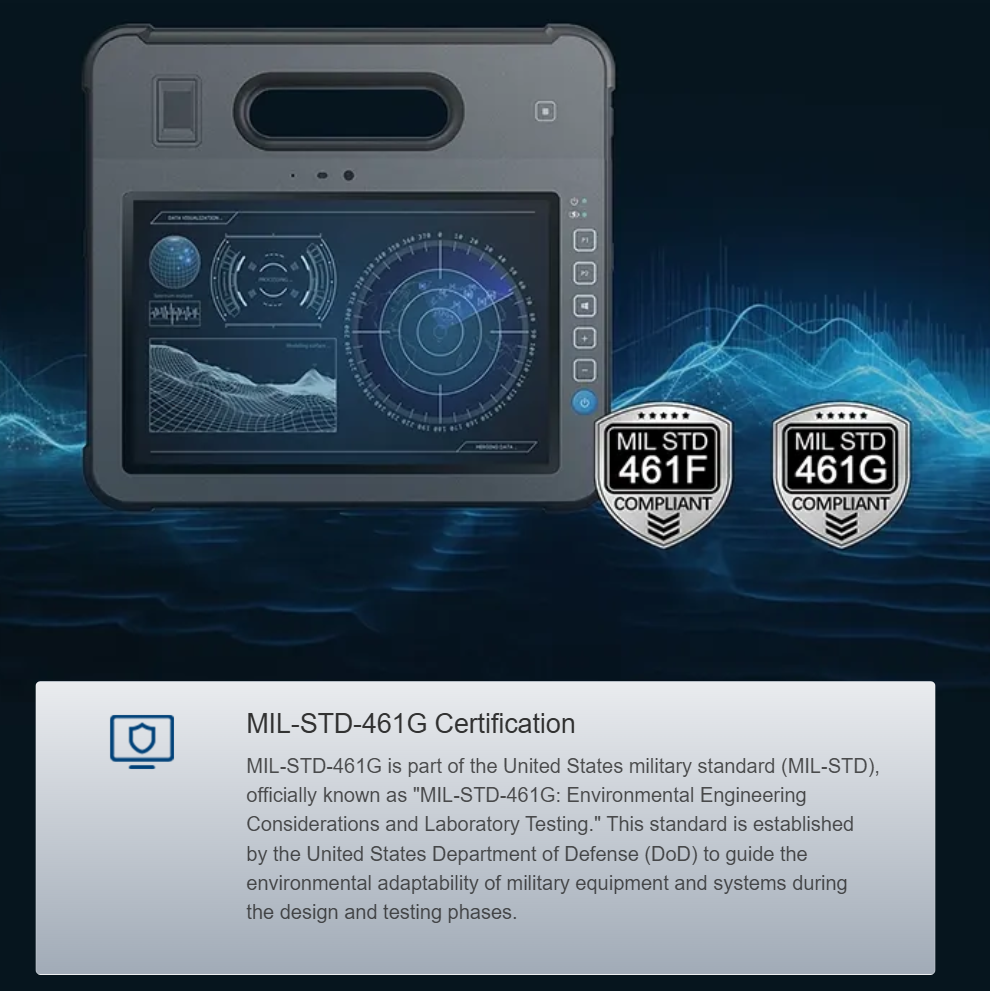
Selecting between ARM and x86 affects more than benchmark numbers; it shapes thermal profile, certification scope, and battery life inside a constrained, ISO 13485-compliant build. A clinical IT manager evaluating a prototype must weigh sustained compute, enclosure sealing, and sterilization durability together. Practical projects often start by evaluating a field-ready unit such as a Rugged Handheld to understand real packaging limits and serviceability.
Compute performance vs. certification and environmental limits
x86 chips typically deliver higher single-thread and legacy-software compatibility, while ARM SoCs score better on power efficiency and thermals. In a sealed antimicrobial housing—often rated to IP68 with MIL-STD-810G exposure tests—sustained performance is the true metric, not peak performance. Thermal throttling and the device power envelope determine real-world throughput during prolonged tasks such as image processing for wound documentation or encryption of patient data.
Thermal management, battery life, and real-world anchors
ISO 13485 requires design controls that document how hardware behaves in clinical contexts; hospitals like those in the NHS emphasize uptime and predictable behavior. ARM platforms usually permit slimmer heat paths and longer field runtime, easing battery sizing and reducing fan needs. x86 platforms can demand heavier cooling and larger batteries to avoid throttling under load—affecting weight and sterilization cycles. EMC considerations and thermal throttling must be validated in test reports.
Software ecosystem and long-term support
x86 retains advantages for legacy Windows applications and certain certified middleware. ARM advantages include lower idle power and increasing support from mainstream operating systems. For a regulated medical device, software architecture decisions feed straight into risk management documentation under ISO 13485. The vendor selection therefore needs to factor firmware update pathways, secure boot, and proven OTA strategies for fielded medical devices.
Design trade-offs: usability, sterilization, and servicing
Enclosure choices that support antimicrobial coatings add thermal resistance. A compact ARM board might simplify internal layout and leave room for thicker seals; conversely, an x86 approach often forces mechanical compromises that increase ingress risk. Designers must balance IP rating, docking connectors, and serviceability: too-tight seals complicate repair, while looser seals increase contamination risk. —Minor layout adjustments often resolve large serviceability issues without changing the CPU family.
Alternatives and common mistakes
Teams often default to x86 for familiarity or ARM for power savings without mapping those assumptions to device-level tests. Common mistakes include undersizing heat sinks, ignoring duty cycles, and deferring EMC testing. Alternatives include hybrid strategies: choose ARM for primary touchscreen and sensors, add a low-power x86 co-processor for legacy apps, or adopt validated modules that already passed MIL-STD-810G and IP tests. Successful programs document thermal soak and battery discharge curves early in verification.
How to evaluate choices: three practical metrics
Use these three golden rules when choosing the CPU and platform for an antimicrobial medical tablet:
- Sustained throughput under enclosure constraints: Measure sustained CPU and GPU load over clinical duty cycles, not short bursts.
- Thermal and power margins: Validate that the device stays within safe operating temperatures with sterilization cycles and while docked—confirm thermal throttling profiles.
- Regulatory and support trajectory: Ensure the platform’s firmware and OS update path fits ISO 13485 documentation and your expected service life.
Closing advisory and practical note
Compare ARM and x86 not by headline scores but by how each aligns with IP sealing, sterilization, and certification effort. Prioritize sustained performance, manageable thermal design, and an update path that keeps the device compliant and serviceable. Testing against MIL-STD-810G scenarios and producing clear ISO 13485 design records will shorten time to deployment. For teams designing field-focused units, reviewing proven rugged handhelds can clarify realistic constraints and accelerate decision-making.
Estone provides practical platform choices that reflect these trade-offs—field-tested, documented, and oriented to clinical workflows. – field-proven.