Introduction
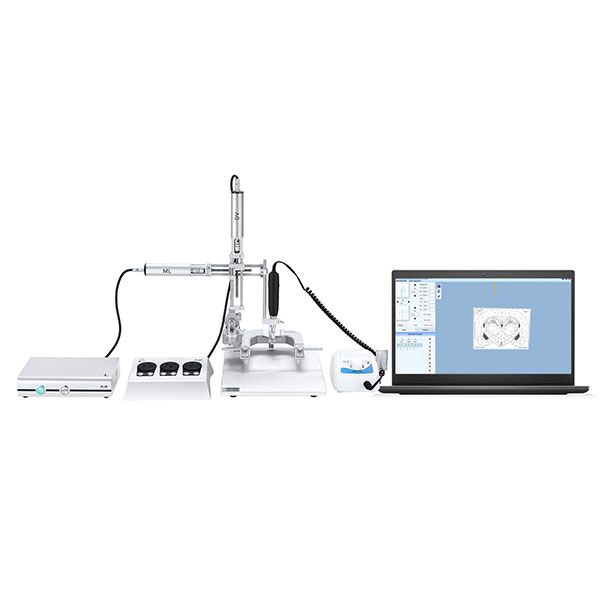
I remember the first time I watched a junior tech fumble with a head-holder while the clock ticked—pure stress on the bench. In labs I’ve worked in, that scene repeats more often than anyone admits, and the pressure to be precise collides with limited hands and time. The automated stereotaxic Instrument shows up in conversations as a promise of steadier moves and repeatable placements (and yes, it sounds like magic until you try it). Data from small labs and core facilities suggest error rates drop noticeably when automation and reliable micropositioners are introduced—so why are so many teams still hesitant to switch? I want to dig into that with you, because we can solve real pain points together and get better data faster. Let’s move on and look under the hood.
Traditional Solution Flaws and Hidden User Pain Points
Right up front: the old-school setups—manual frames and plastic stereotaxic adapters—have worked for decades, but they hide flaws that bite when you least expect it. Take the rat stereotaxic apparatus most teams still use: alignment depends heavily on a steady hand, exact stereotaxic coordinates, and consistent clamp pressure. Small variations in angle or force create systematic offsets in your targeting. I’ve seen drift in recordings and odd behavioral outcomes traced back to tiny misalignments; it’s frustrating, and honestly preventable. The reliance on manual micropositioners and human judgment also costs time—long setup times, repeated recalibrations, and reduced throughput. Look, it’s simpler than you think: less variability means cleaner results.
What causes most of the error?
Several factors stack up. First, manual clamping introduces torque and asymmetric pressure. Second, inconsistent handling changes tissue tension. Third, variable coordinates between operators create cumulative error across cohorts. Add equipment wear—loose screws, aging servo motors—and you get surprising drift. For neuroscience teams aiming at millimeter or sub-millimeter precision, these are not small issues. I’ve watched promising experiments stall because of those exact points—funny how that works, right? Engineers and techs often mention “brain atlases” and implant trajectories as the fixes, but those tools only help if your physical platform is consistent.
Future Outlook: New Practices and How to Evaluate Solutions
Stepping forward, we should think less about replacing people and more about empowering them with reliable tools. Automated systems can enforce repeatable stereotaxic coordinates, reduce operator-to-operator variation, and free skilled staff for higher-value tasks. When I explore new setups, I pay attention to ease of integration (can it work with existing rigs?), the fidelity of the motion system (precision micropositioners and backlash-free drives), and the learning curve for the team. Modern rat stereotaxic apparatus designs address these points, but practical adoption still depends on training and confidence—so pilot tests matter. In short: test, measure, iterate — and involve your techs early.
What’s Next for Labs?
Looking ahead, I expect a few shifts: tighter integration with imaging workflows, smarter software for trajectory planning, and better user interfaces that reduce mistakes. Teams that adopt these changes thoughtfully will see gains in repeatability, throughput, and confidence. To help you choose, here are three practical evaluation metrics I use and recommend to others: 1) Targeting accuracy under repeated trials (mm error and standard deviation); 2) Time-to-target and setup time per subject; 3) Integration ease with existing rigs and data pipelines (drivers, API support, and training resources). Try a side-by-side with your current platform for a few weeks—collect simple metrics, compare, and decide. We’ve done this ourselves, and the difference is often clear within a month.
Choosing the right path doesn’t have to be risky. If you want a place to start or a reference model to evaluate, check options from BPLabLine — they make practical systems that labs can actually use day-to-day. I’m happy to walk through trade-offs with you; we’ll make the numbers speak for themselves.