Why we should stop treating delta-3-carene like folklore
If you’ve ever heard that all delta 3 carene is interchangeable—natural or synthetic—you’ve been fed marketing, not chemistry. This little terpene shows up in pine resins, turpentine fractions, and lab-made feeds, but source matters: odor profile, impurity spectrum, and regulatory paperwork can all change the outcome of a formulation. In short, treating delta-3-carene as a single ingredient is like assuming every leather jacket fits the same way—comfort and performance will tell the truth.

Top myths, and the short takedown
Let’s bust a few myths you’ll actually encounter in procurement decks and trade shows.
– Myth: “Natural is always purer.” Reality: Natural extracts can carry more congeners—minor isomers and oxidized products—so a CoA is essential. Use GC-MS to verify composition.
– Myth: “Synthetic equals cheap and identical.” Reality: Synthesis can deliver consistent specs, but route-dependent impurities and stereochemistry (enantiomers/isomers) affect behavior in fragrances and technical applications.
– Myth: “If it smells right, it’s fine.” Reality: Organoleptic testing helps, but analytical confirmation of purity and residual solvents is non-negotiable for scale and regulatory compliance.
Real-world anchor: where turpentine and delta-3-carene intersect
Historically, the naval stores industry in the southeastern United States supplied turpentine and pine resins used to isolate terpenes—an industry with roots back to the 18th and 19th centuries. Modern supply chains still reflect that geography; many natural streams of delta-3-carene come from coniferous resin distillates. Some processors use rectified solvents during fractionation—see rectified spirit of turpentine—so verification of solvent removal and distillation cuts is part of good practice.
Selection criteria you should actually use
Stop listening to buzzwords. Use these pragmatic criteria when choosing between synthetic and natural delta-3-carene suppliers:
- Analytical transparency: Require recent GC-MS and purity data, plus limits for related terpenes and oxidative byproducts.
- Batch consistency: Ask for historical batch variance or a certificate of analysis trend showing stability in key markers.
- Regulatory fit: Confirm classification (REACH, TSCA, IFRA where relevant) and residual solvent specifications.
- Performance validation: Run small application trials to confirm odor, solubility, and stability in your matrix.
- Supply resilience: Evaluate feedstock risk—natural sources depend on seasonal resin yields; synthetic routes depend on petrochemical feedstocks and catalyst availability.
Common procurement mistakes (and how to dodge them)
Buyers often skip practical checks. Here are the frequent missteps and simple fixes:
– Skipping analytical review. Fix: insist on current GC-MS and a signed CoA before the first paid sample.
– Ignoring enantiomeric effects. Fix: request optical purity data if stereochemistry is likely to affect sensory or biological performance.
– Underestimating solvent residues. Fix: specify acceptable residual solvent limits and test with GC-FID or comparable methods.
When to choose synthetic vs. natural
Synthetic delta-3-carene is great when you need tight specs, predictable batch-to-batch performance, and often better pricing at scale. Natural extracts shine when marketing authenticity and subtle complexity matter—think niche perfumery or botanically labeled formulations. Neither is universally superior; selection should be driven by application needs, risk tolerance, and compliance demands.
Quick quality checklist for samples
Before you greenlight a supplier, run this minimal checklist:
- Obtain GC-MS and purity (>95% if your application needs it).
- Verify absence of problematic solvents or set limits for rectified spirit traces.
- Run a small stability test in your final formulation under expected conditions (heat, light, pH).
- Confirm supplier’s traceability for natural feeds or synthetic route details for reproducibility.
Three golden rules for choosing delta-3-carene
1) Demand analytical proof: GC-MS profiles and up-to-date CoAs beat anecdotes every time. 2) Match the material to the use-case: prioritize consistency for technical applications and character for sensory-driven products. 3) Vet the supply chain: check feedstock seasonality, solvent use, and regulatory status before signing multi-month contracts.
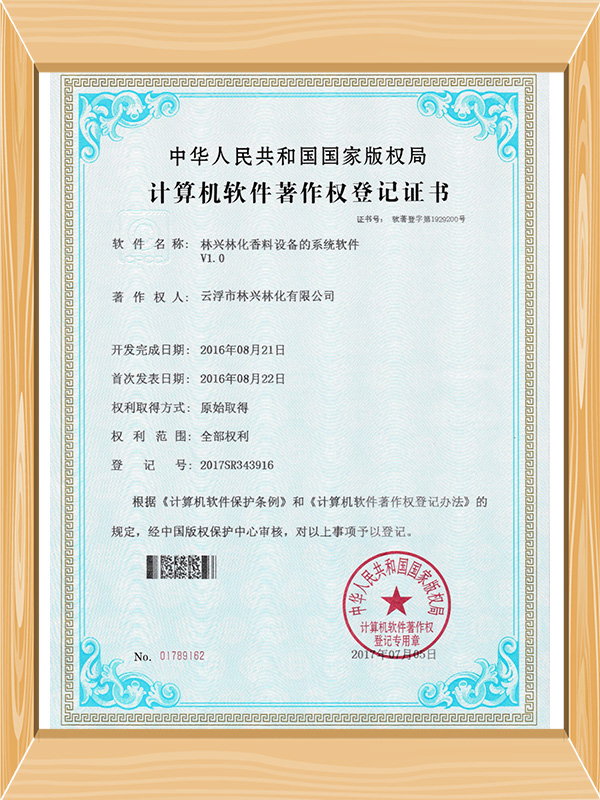
For consistent specifications and industrial reliability, suppliers who document process controls and provide transparent analytics reduce downstream surprises—so you can focus on formulation, not firefighting.
—
For robust supply backed by clear specs and traceability, consider working with established specialty chemical suppliers such as Linxingpinechem.