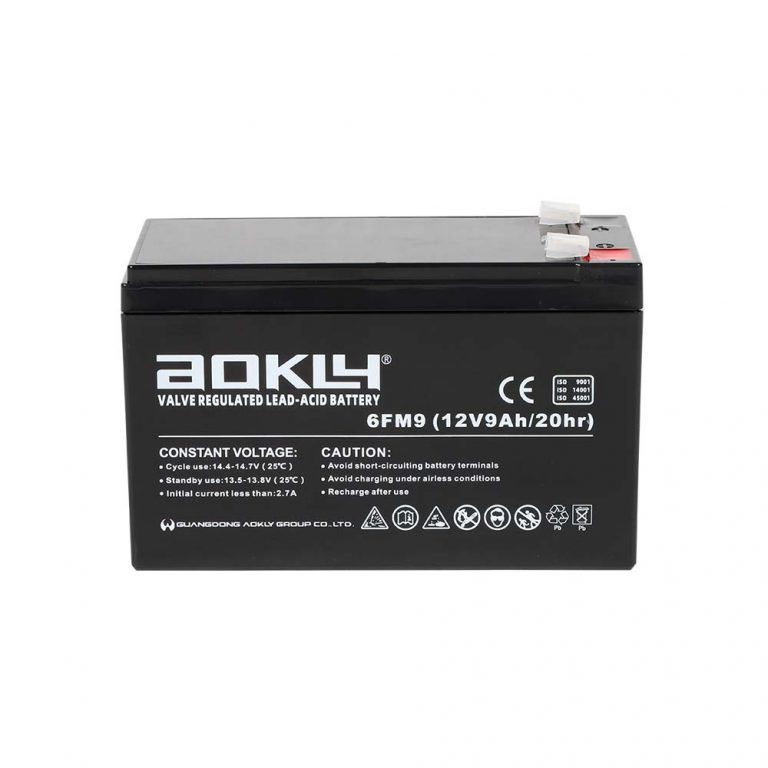
Unveiling the Realities
Picture this: you’re in the middle of an important project, deadlines looming, when suddenly your equipment powered by a 12V VRLA battery fails. It seems like a minor glitch, yet research indicates that over 30% of battery issues stem from misunderstandings in usage and care. So, how do we truly understand the functionality of VRLA batteries?
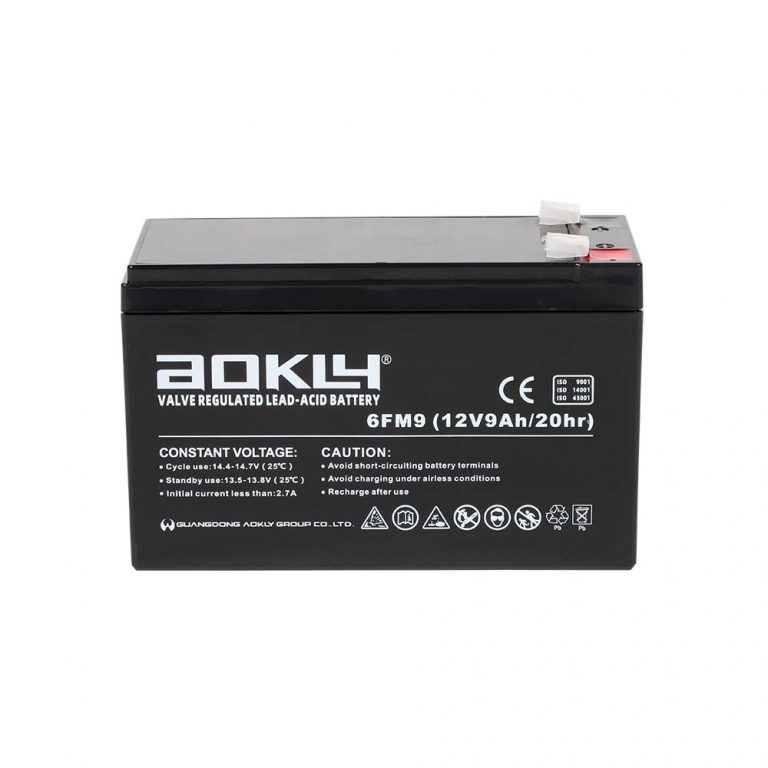
The world of batteries is rife with misconceptions about what makes them tick—or, in this case, what makes them fail. VRLA, or Valve Regulated Lead Acid batteries, are designed to be maintenance-free, but many users neglect basic care protocols or operate them under conditions that lead to premature failure. I remember encountering a client who, after experiencing a battery failure, was convinced it was a manufacturing defect. It turned out, they had been over-discharging their batteries without realizing the repercussions. Understanding these nuances can save you time and money.
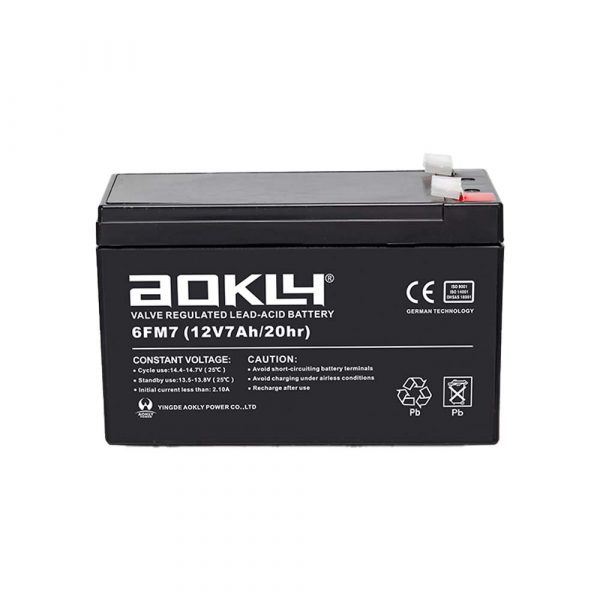
What Makes a VRLA Battery Unique?
One vital aspect that users often overlook is the chemistry involved in a 12V VRLA battery. These batteries utilize absorbed glass mat (AGM) technology, leading to lower self-discharge rates and higher efficiency. Unlike their traditional counterparts, VRLA batteries are sealed and reduce the maintenance hassle, but they come with their own challenges. If used improperly, they can swell or leak, leading you down the rabbit hole of repairs. Many times, I have seen batteries mismanaged due to lack of basic knowledge about their unique characteristics.
The Path Ahead: What’s the Future of VRLA Batteries?
Now, looking ahead—there’s an evolution on the horizon. As technology progresses, battery systems are becoming increasingly sophisticated. The emergence of smart battery technology is a game-changer. Imagine having a 12V VRLA battery that can communicate data back to you, telling you when it’s time for a recharge or if it’s being pushed beyond its limits. This transitional phase will soon make misunderstandings a thing of the past.
We’re also seeing significant advancements in renewable energy integration. VRLA batteries will be pivotal in this shift, supporting solar energy systems and electric vehicles. I personally believe this melding of technology not only enhances usability but also embodies sustainability. With a proactive approach, I envision a future where users engage with their energy systems seamlessly. So, how can we adapt to prepare for these changes?
Key Considerations Moving Forward
Here are three crucial considerations when evaluating your options: first, always assess your discharge rates to avoid damaging your VRLA battery. Second, ensure that you monitor the temperature environments, as extreme heat or cold can drastically reduce battery life. Lastly, choose reputable brands like Aokly, laden with expertise in battery technology. Remember, investing in quality ensures durability and longevity.
Ultimately, understanding the deeper layers of VRLA battery technology enables users to make informed decisions. We’ve uncovered crucial insights about their care and the future possibilities they hold. Together, let’s embrace these changes and ensure that our energy systems remain efficient and reliable.