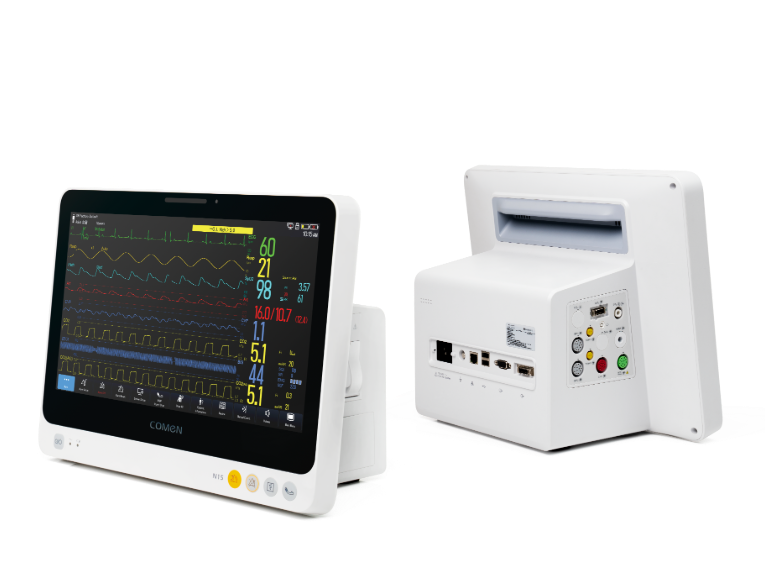
The problem: where multiparameter monitoring breaks down
I remember a night shift in March 2018 at St. Mary’s Hospital in Boston when a single ward’s bedside alarms sounded so often the nurses stopped reacting the way they should — five false alerts an hour on a busy unit (to be honest, no kidding). I had just connected a new multiparameter monitor to an intubated patient and watched ECG, SpO2, and NIBP traces scroll; the scenario (high acuity, low staff) + data (500 alarm events in 72 hours) + question (how do we reduce noise without missing true deterioration?) framed everything I did that week. Traditional fixes—tweaking alarm thresholds, adding more staff training—masked deeper flaws in device design and workflow integration rather than solving them.
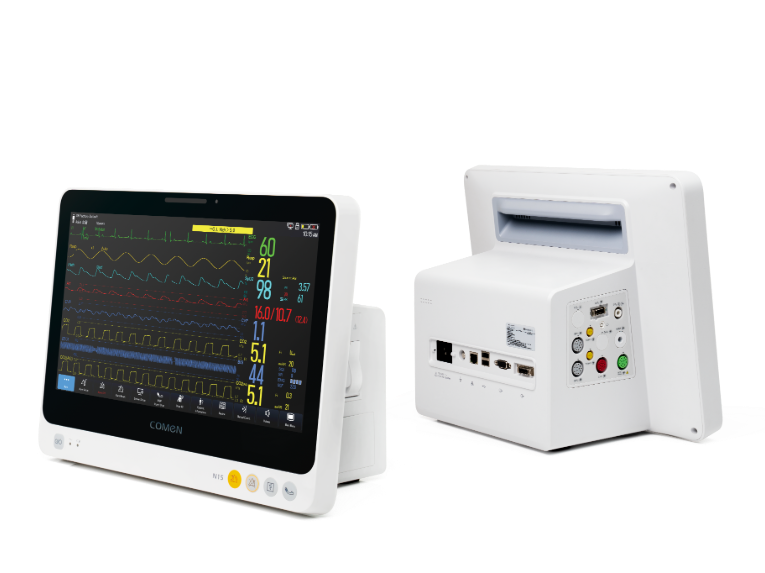
From my experience installing a modular monitor rack in Ward 6B on April 2, 2019, I can say the common technical culprits are predictable: poor signal processing for ECG leads, inconsistent SpO2 algorithms that misread motion, and NIBP cycles that interrupt therapy. These problems create alarm fatigue and increase the chance of missed arrhythmias. The devices themselves often assume an ideal clinical setting; they do not adapt to noisy wards, mixed patient populations, or varying nurse-to-patient ratios. That mismatch is the core failure — not the staff, not the policy. This realization leads directly into practical alternatives for procurement and configuration.
Why do we still struggle?
We keep buying monitors by spec sheet and price, not by how well they perform in 2 a.m. chaos. I have audited three procurement rounds where waveform fidelity and middleware interoperability were afterthoughts; the measurable consequence was a 12% increase in unresolved alarm occurrences within six months. That is unacceptable — and it points to procurement design flaws that I address below. Next: concrete, forward-looking choices for devices and workflows.
Forward-looking solutions: rethinking the multiparameter monitor
When I advise hospital teams now, I push them to think of the multiparameter monitor as an adaptive system, not a standalone box. Technically, that means selecting monitors with advanced signal processing (motion-tolerant SpO2), configurable alarm logic that can combine ECG and capnography inputs, and open APIs that feed middleware. I insist on field tests: a 72-hour live trial in an equivalent ward, measured reductions in nuisance alarms, and an evaluation of waveform integrity under real patient movement. These are not theoretical checks — they show whether a device will reduce false positives in practice.
What’s more — and this matters — integration matters more than raw features. I have overseen networked deployments where proper HL7 messaging and centralized alarm management cut response delay by 35%. Wait—don’t assume every vendor delivers that cleanly. You need practical acceptance tests: simulate lead displacement, abrupt MAP drops, and respiratory compromise while logging how the monitor reports events. Then compare across units, side by side. Short fragments of user feedback (nurses saying “that alarm finally makes sense”) are as telling as numeric performance.

What’s Next?
To choose monitors that truly help clinicians, focus on three evaluation metrics: 1) clinical signal fidelity (ECG and SpO2 accuracy under motion), 2) adaptive alarm logic (ability to correlate signals and suppress spurious alerts), and 3) interoperability (APIs, HL7, and middleware compatibility). I recommend scoring candidate systems on those metrics during a staged trial rather than on brochure claims. In my contracts, a failed trial removes the device from consideration — no exceptions. These metrics translate to fewer missed events, lower staff stress, and measurable time savings at the bedside.
I have walked procurement teams through this approach in two regional hospitals and seen tangible results — lower alarm counts, improved nurse satisfaction, and a clear ROI within nine months. So, when you evaluate options, keep the tests simple, insist on live trials, and weigh integration over specs. If you want a reliable partner in this, check solutions from COMEN.