Comparative insight lead — why this matters for shop owners
Retail signs sell first impressions; the material choices behind them change running costs and uptime. In many malls and street-front stores, the move from glass neon to premium LED modules isn’t just trend-driven — it’s technical. Early on, signage designers focused on lumen-per-watt as the chief metric. Today we look beyond that: how thermal dissipation, driver reliability, and installation details shape long-term performance for everything from logo boxes to digital wayfinding signage.
Performance snapshot: lumen-per-watt versus real-world output
Modern LEDs often deliver much higher lumen-per-watt than neon, which translates to lower energy bills under identical operating hours. But raw efficacy doesn’t capture delivered luminance on a storefront face or how output drops when the module runs hot. Thermal dissipation affects steady-state brightness, and poor heat paths force LEDs to throttle, reducing effective lumens. A good signage spec treats lumen-per-watt as a starting figure and couples it with heat management and a matched driver to preserve light output over time.
Thermal design, serviceability, and the unseen costs
Neon has different failure modes — gas leakage, transformer wear — but its thermal profile is relatively stable in some environments. Premium LED modules demand active attention to thermal dissipation: aluminum backplates, proper air gaps, and waterproofing with the right IP rating. If installers cut corners or use undersized drivers, you’ll pay in accelerated lumen depreciation and more service visits. A solid installation plan lowers lifecycle cost even if upfront hardware spends a bit more.
Real-world anchors and evidence
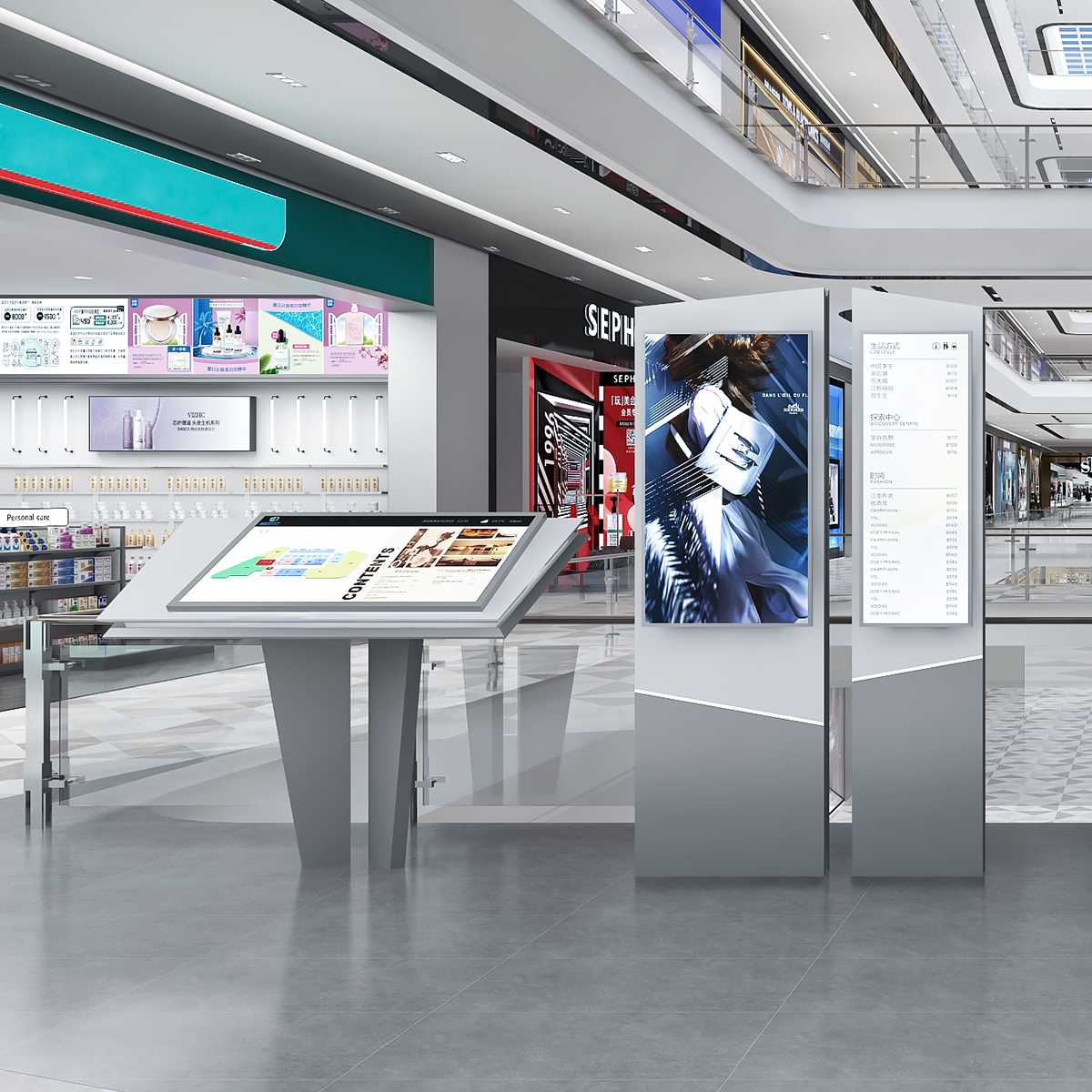
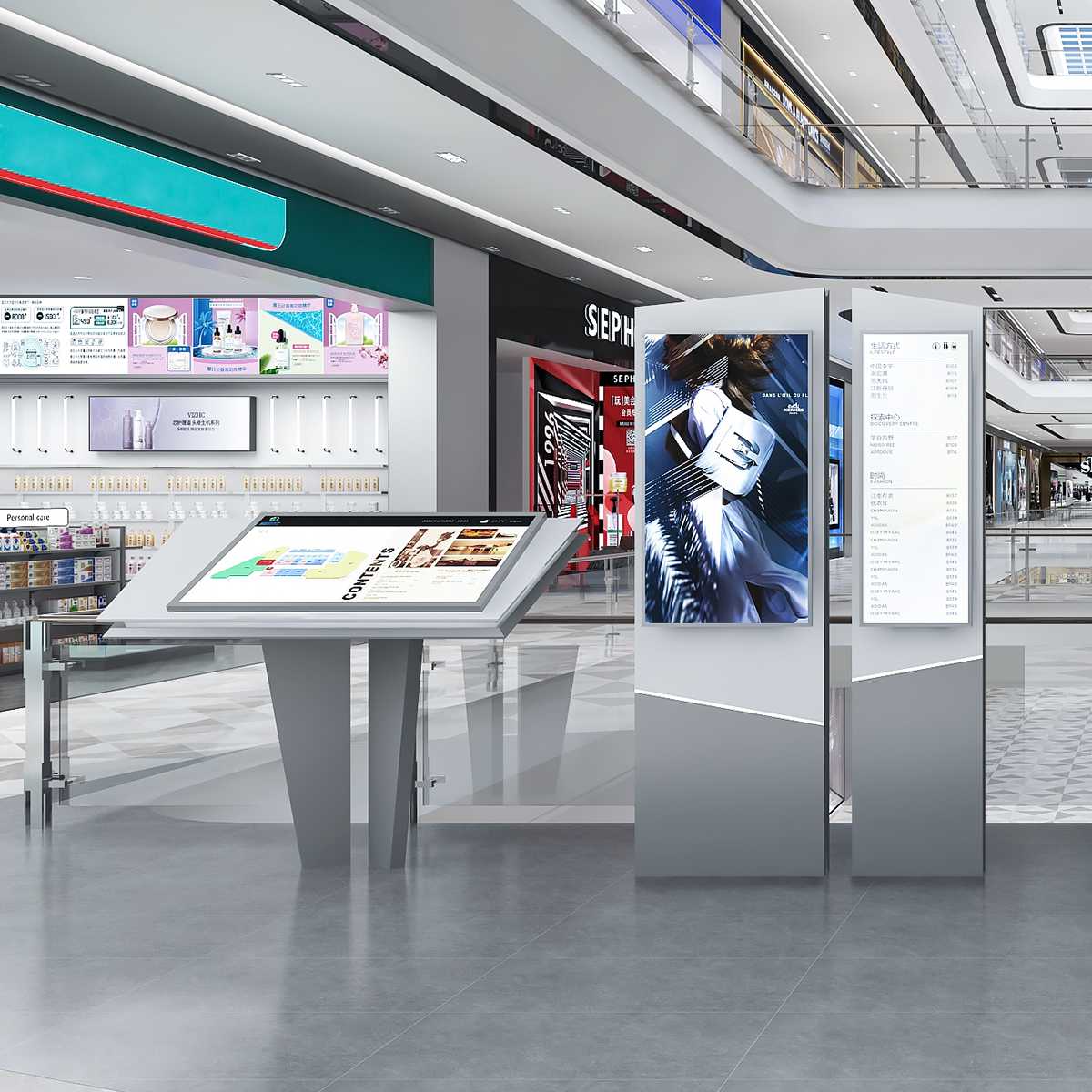
Look at high-density signage hubs like Times Square: operators mix technologies, but the densest, most flexible displays are LED-based because they allow precise brightness control without huge transformer gear. Airports and major malls also adopt layered solutions — static acrylic faces backed by LED modules plus touchscreen digital wayfinding system kiosks — to balance visibility and maintainability. These examples show measured trade-offs: LEDs win on energy and modular repair; neon survives where aesthetic authenticity is required.
Common mistakes and sensible alternatives
Two mistakes repeat across projects. First, specifying high lm/W LEDs but pairing them with low-quality drivers; the driver becomes the weak link and causes flicker or early failure. Second, treating thermal dissipation as a cosmetic detail rather than a structural one. Fixes are straightforward — choose modules with tested thermal data, pick drivers rated for ambient temperatures, and design the enclosure for service access. If you need that warm neon look, consider hybrid builds: neon accents combined with LED halo/backlighting for efficiency and control.
Installation checklist and small-scope tips
– Confirm lumen-per-watt and steady-state luminance numbers from the vendor. – Ask for thermal resistance data and recommended ambient operating range. – Insist on an IP rating appropriate for the location (street-facing signs need more protection). – Use modular LED arrays with replaceable channels — service time drops a lot this way. These steps keep upfront choices aligned with expected lifetime performance — and reduce surprise costs when temperatures spike during hot seasons.
Three golden rules for selecting sign technology
1) Prioritise steady-state performance over peak lm/W. A spec that holds brightness under rated temperature gives predictable results. 2) Match driver and module with a vendor warranty that covers thermal-related lumen loss. 3) Design for service: accessible channels and standardized connectors cut maintenance downtime. Apply these metrics and you’ll measure the return on investment in months, not years — and you avoid the common trap of buying solely on price.
Retail signage choices should reduce friction for both customers and staff; solid technical choices make that happen. Cosun Sign understands how lumen-per-watt and thermal dissipation interact in real stores — and builds modular LED solutions that fit practical installation and maintenance needs — a small investment that keeps signs bright and costs predictable. —