technooloop
  • Home
  • Design Update
  • Business
  • Global Trade
  • Industry
  • Market
  • Tech
Author

Kenneth

Kenneth

Business

Premium LED Modules vs. Neon: Rethinking Lumen-Per-Watt and Thermal Dissipation for Custom Retail Signage

by Kenneth July 14, 2026
written by Kenneth

Comparative insight lead — why this matters for shop owners

Retail signs sell first impressions; the material choices behind them change running costs and uptime. In many malls and street-front stores, the move from glass neon to premium LED modules isn’t just trend-driven — it’s technical. Early on, signage designers focused on lumen-per-watt as the chief metric. Today we look beyond that: how thermal dissipation, driver reliability, and installation details shape long-term performance for everything from logo boxes to digital wayfinding signage.
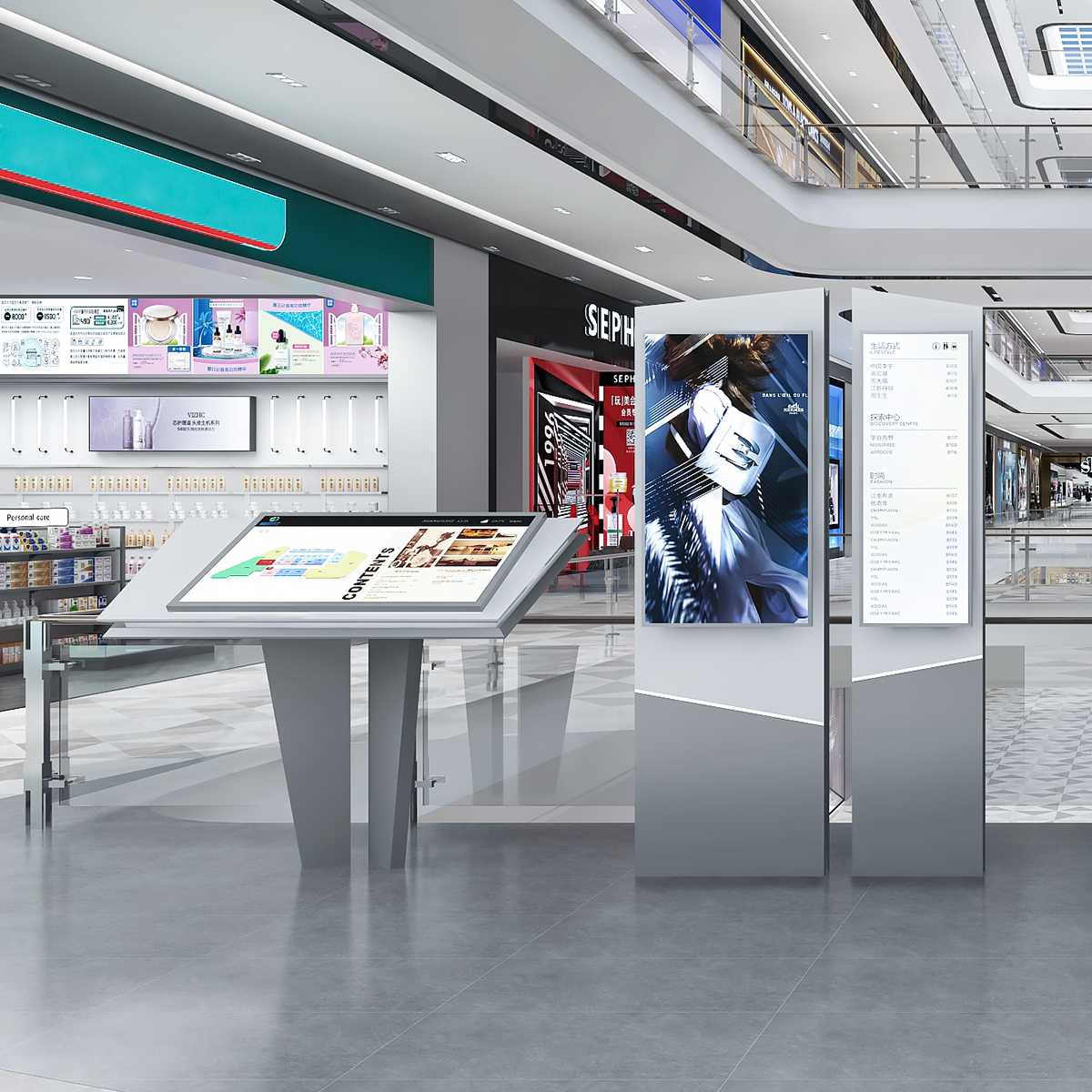
digital wayfinding signage

Performance snapshot: lumen-per-watt versus real-world output

Modern LEDs often deliver much higher lumen-per-watt than neon, which translates to lower energy bills under identical operating hours. But raw efficacy doesn’t capture delivered luminance on a storefront face or how output drops when the module runs hot. Thermal dissipation affects steady-state brightness, and poor heat paths force LEDs to throttle, reducing effective lumens. A good signage spec treats lumen-per-watt as a starting figure and couples it with heat management and a matched driver to preserve light output over time.

Thermal design, serviceability, and the unseen costs

Neon has different failure modes — gas leakage, transformer wear — but its thermal profile is relatively stable in some environments. Premium LED modules demand active attention to thermal dissipation: aluminum backplates, proper air gaps, and waterproofing with the right IP rating. If installers cut corners or use undersized drivers, you’ll pay in accelerated lumen depreciation and more service visits. A solid installation plan lowers lifecycle cost even if upfront hardware spends a bit more.

digital wayfinding signage

Real-world anchors and evidence

Look at high-density signage hubs like Times Square: operators mix technologies, but the densest, most flexible displays are LED-based because they allow precise brightness control without huge transformer gear. Airports and major malls also adopt layered solutions — static acrylic faces backed by LED modules plus touchscreen digital wayfinding system kiosks — to balance visibility and maintainability. These examples show measured trade-offs: LEDs win on energy and modular repair; neon survives where aesthetic authenticity is required.

Common mistakes and sensible alternatives

Two mistakes repeat across projects. First, specifying high lm/W LEDs but pairing them with low-quality drivers; the driver becomes the weak link and causes flicker or early failure. Second, treating thermal dissipation as a cosmetic detail rather than a structural one. Fixes are straightforward — choose modules with tested thermal data, pick drivers rated for ambient temperatures, and design the enclosure for service access. If you need that warm neon look, consider hybrid builds: neon accents combined with LED halo/backlighting for efficiency and control.

Installation checklist and small-scope tips

– Confirm lumen-per-watt and steady-state luminance numbers from the vendor. – Ask for thermal resistance data and recommended ambient operating range. – Insist on an IP rating appropriate for the location (street-facing signs need more protection). – Use modular LED arrays with replaceable channels — service time drops a lot this way. These steps keep upfront choices aligned with expected lifetime performance — and reduce surprise costs when temperatures spike during hot seasons.

Three golden rules for selecting sign technology

1) Prioritise steady-state performance over peak lm/W. A spec that holds brightness under rated temperature gives predictable results. 2) Match driver and module with a vendor warranty that covers thermal-related lumen loss. 3) Design for service: accessible channels and standardized connectors cut maintenance downtime. Apply these metrics and you’ll measure the return on investment in months, not years — and you avoid the common trap of buying solely on price.

Retail signage choices should reduce friction for both customers and staff; solid technical choices make that happen. Cosun Sign understands how lumen-per-watt and thermal dissipation interact in real stores — and builds modular LED solutions that fit practical installation and maintenance needs — a small investment that keeps signs bright and costs predictable. —


Industry

Sustainable Sunglasses: The Eco-Friendly Revolution You Can’t Overlook

by Kenneth March 31, 2026
written by Kenneth

Spotlight on Sustainability

Imagine walking down a bustling street on a sunny day, a refreshing breeze ruffling your hair. You glance around and notice many people sporting the latest trendy shades. Yet, what if I told you that a staggering 80% of plastic waste in our oceans is coming from single-use products? (insert dramatic gasp here). This scenario begs the question: Are those stylish sunglasses made with our environment in mind? Enter eco-friendly sunglasses—trendy, yes, but also a sustainable choice that directly impacts our planet. Can we really afford to ignore the importance of sustainable sunglasses in today’s world?

eco friendly sunglasses

The Hidden Flaws of Traditional Sunglasses

Traditional sunglasses often come with a hefty price tag for the environment. Most are manufactured with non-biodegradable materials that end up in landfills or our precious oceans. I recall my first pair of designer shades—off the charts in style yet terrible for the planet. The frustration! It’s alarming how many consumers overlook the potential harm their stylish choices can create. Pollution and waste are just a few of the hidden pain points we face. This isn’t just an environmental issue; it’s also a moral one. Are we choosing convenience over conscience? But wait—there’s a brighter path ahead!

eco friendly sunglasses

Can Sustainable Sunglasses Make a Difference?

Embracing Change: The Future of Sunglasses

As new eco-conscious brands emerge, the options for sustainable sunglasses are expanding rapidly. Think about it: materials like bamboo, recycled plastic, and even plant-based resins are now being used to create striking eyewear that doesn’t harm our earth. This shift reflects a broader social movement toward sustainability. The coveted sustainable sunglasses are much more than just a fad—they represent a commitment to our future generations. I’ve seen firsthand the positive changes in consumer behavior as they embrace these options.

What’s Next for Eco-Friendly Eyewear?

Looking forward, I firmly believe the eco-friendly sunglasses market will only continue to grow. Data shows that consumers, particularly young millennials and Gen Z, are increasingly considering sustainable brands when making purchases. This creates a ripple effect, forcing more traditional brands to rethink their production processes. Let’s not forget that every pair of sustainable sunglasses sold brings us one step closer to reducing plastic footprint globally. How exciting is that? Plus, who doesn’t want to look good while doing good?

In conclusion, the journey toward eco-conscious eyewear is just beginning. Brands like JHEYEWEAR are leading the charge, and it’s time to join in—after all, every small step makes a difference. It’s not just about looking stylish; it’s about making responsible choices together. So, what do you say? Ready to ditch the damaging plastic and embrace fashion that aligns with your values?

Recent Posts

  • Fixing Water Waste: A Problem-Driven Guide to Reuse Systems, Benefits, and Buying Choices
  • From Idea to Rugged Radio: Fixing OEM Two-Way DMR Headaches
  • Precision CNC Machining Manufacturer Questions: A First-Time Buyer’s Guide Through the Gloom
  • How Fine Chemical Suppliers Reduce Risk and Improve Procurement Outcomes
  • Scaling Detailing Operations: How a Wholesale Supplier Enables Business Growth

Recent Comments

No comments to show.

About Me

About Me

Designer

Sed ut perspiciatis unde omnis iste natus sit voluptatem accusantium dolor emque.

Keep in touch

Facebook Twitter Instagram Pinterest Behance Youtube

Popular Posts

  • 1

    Почему стоит выбрать керамический герметичный корпус?

  • 隱形牙套會吸引目光還是被默默接受?企業與用戶的選擇真相

  • 3

    Фасовочно Упаковочные Линии: Ваша Полная Инструкция

  • Автоматический счетчик капсул: Инновации и преимущества

  • 5

    А что, если аккумулятор GFM смог бы сам предугадывать нагрузку?

  • 6

    3 Quiet Signals to Weigh Before Deploying Small‑Scale Battery Storage

Categories

  • App Design (6)
  • Business (153)
  • Global Trade (172)
  • Industry (156)
  • Market (143)
  • Tech (146)
  • UI/UX (7)
  • Web Design (7)
  • Facebook
  • Twitter
  • Instagram
  • Pinterest
  • Behance
  • Youtube
  • Bloglovin
technooloop
  • Home
  • Design Update
  • Business
  • Global Trade
  • Industry
  • Market
  • Tech