The core problem: unpredictable demand and extended lead times
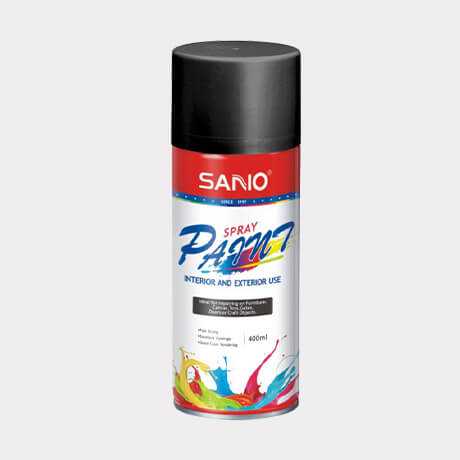
Procurement teams face two immediate pressures: volatile order patterns and production schedules that don’t tolerate delays. Suppliers that treat product quality and logistics as separate problems create misaligned forecasts; buyers chasing ad hoc shipments inflate costs. Practical supplier services — from inventory-backed delivery to consistent specification control — change that equation. Suppliers who also offer related consumables, like hardware lubricants sealants & adhesives, simplify ordering and reduce vendor count, which directly lowers transaction friction during critical project phases.

What breaks project planning
Unexpected raw-material shortages stop production faster than most managers anticipate. Long qualification cycles for new vendors extend procurement lead times. Mis-specified certificates and inconsistent batch data trigger rework and hold shipments at quality gates. Logistics delays and customs documentation errors add days that compound across multi-stage projects. Each of these failures isn’t a mystery; they’re predictable and preventable when suppliers document processes and align deliverable milestones with buyer production windows.
Concrete supplier practices that improve planning and purchasing
Require suppliers to provide fixed lead-time guarantees for key SKUs and attach penalty-reward terms for performance. Adopt a tiered safety-stock method that ties buffer levels to product criticality and changeover cost. Use standardized material specifications and digital certificates (batch-level) to cut approval time. Implement dual sourcing for critical chemistries while keeping a qualified single-source for specialty grades. Ask suppliers to run periodic capacity reports and to commit to rolling 90-day forecasts you can act on; those commitments turn guesswork into measurable service levels.
How to manage quality and compliance without slowing projects
Insist on sample programs and agreed test methods before scaling orders. Integrate acceptance criteria into contracts so purchases clear on arrival with a pass/fail framework rather than subjective debates. Map regulatory checkpoints (for example, REACH classifications or impurity limits tied to your process) into purchase orders so goods aren’t held up downstream. Maintain a short, auditable record trail for every batch—supplier COA, analytical data, and transport documentation—so clearance decisions rest on facts, not opinions.
EEAT: evidence from the field
Procurement teams that follow these rules deliver projects on time more consistently. A practical example comes from manufacturers operating in Shanghai’s chemical cluster, where synchronized supplier schedules and documented batch control reduce disruption during peak demand. That regional example reflects what experienced procurement teams expect from a responsible fine chemicals manufacturer: transparent capacity data, traceable quality records, and predictable logistics. Publicly available regulatory frameworks and industry standards back these expectations and make supplier claims verifiable.
Common mistakes buyers make
Relying on price alone during selection; underestimating qualification time for alternate suppliers; accepting vague lead-time promises without contractual teeth; keeping inventory policies static while demand changes. These mistakes increase expediting costs and create freezes in production planning. Fix them by quantifying the cost of downtime and using that figure to justify investments in safer supply arrangements.
Implementation checklist for procurement leaders
1) Define critical SKUs and set explicit delivery windows. 2) Require digital batch data and pre-qualification samples. 3) Negotiate rolling forecasts with measurable supplier service levels. 4) Keep one qualified backup source and test it yearly. 5) Attach compliance checkpoints to POs to prevent downstream holds. Execute these steps in sequence; each reduces a specific failure mode.
Final synthesis
Solving planning and purchasing problems starts with specific, verifiable supplier commitments: fixed lead-times, documented quality, and transparent capacity data. When suppliers operate to those standards, procurement shifts from firefighting to predictable execution, and projects meet schedules without excess inventory or hidden costs. That operational clarity is the outcome many procurement teams seek and the practical value offered by SANVO.