Opening the frame: why a framework steadies experiments
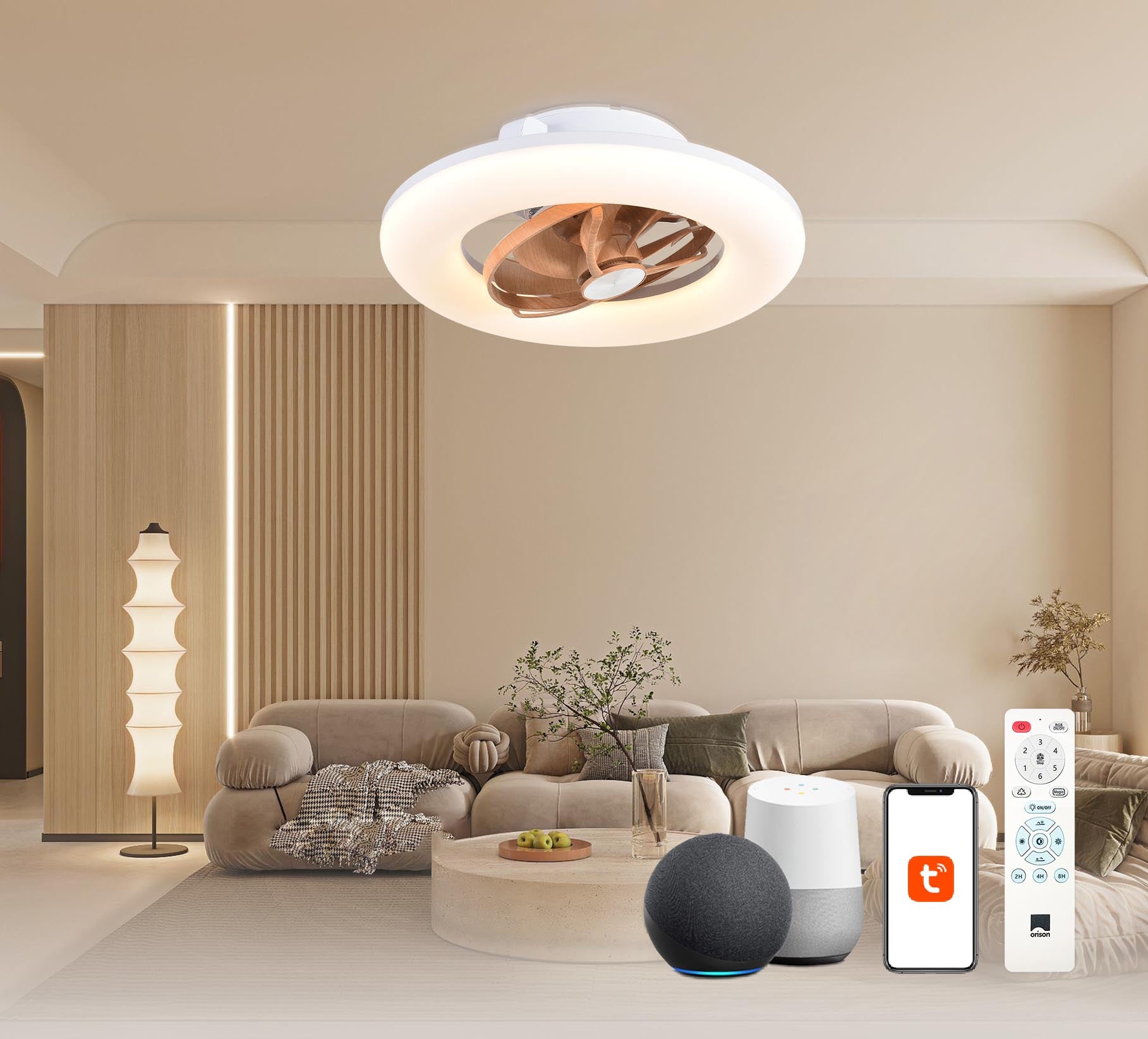
We all want fewer surprises at dawn — a pond that breathes steadily, life preserved without frantic toggling. Treating aeration like an afterthought invites winter fish kills and summer algae swings; instead, adopt a simple, repeatable framework. Think of it as the same logic that guides a thoughtfully programmed alexa ceiling fan: sensors inform decisions, rules execute reliably, and fail-safes protect the system when the unexpected arrives. This approach is practical and human, grounded in the routines of pond stewardship and in the broader surge of smart-home adoption during the 2020–2021 pandemic era, which taught many homeowners the value of remote control and automation.
Step 1 — Define the physiological goals: what the pond needs
Start with simple biology: maintain dissolved oxygen, prevent prolonged stratification, and avoid extreme temperature swings that stress fish. Translate each physiological goal into measurable metrics: dissolved oxygen (mg/L), surface temperature (°C/°F), and run-time per day. These will be your primary inputs when crafting automation rules. Use calibrated sensors and avoid assumptions — sensor drift is real, and firmware updates can tweak calibration behavior over time.
Step 2 — Choose triggers and thresholds that reflect seasons
Good automation is context-aware. Create seasonal profiles rather than one-size-fits-all schedules: spring turnover, hot-summer oxygen demand, and winter ice management each need distinct thresholds. Combine time-based schedulers with sensor triggers — for example, start aeration if DO falls below 6 mg/L or if water temperature rises above a set point for more than two hours. Layer voice assistant control for occasional manual overrides, but keep logic authoritative in the app so voice commands don’t accidentally cancel safety rules.
Step 3 — Build rules that prioritize safety, then efficiency
Rules should be hierarchical. Safety rules are non-negotiable: run aerator if DO < safety threshold, regardless of schedule. Efficiency rules can modulate runtime when conditions are benign. Implement hysteresis to prevent rapid on/off cycling: once activated, require a sustained recovery period before turning off. Integrate a watchdog timer or heartbeat check so the system flags a missed run or communication loss to your phone — or to your installer. This is the moment to think in terms of IoT integrity and redundancy.
Step 4 — Map integrations: app, hub, and voice
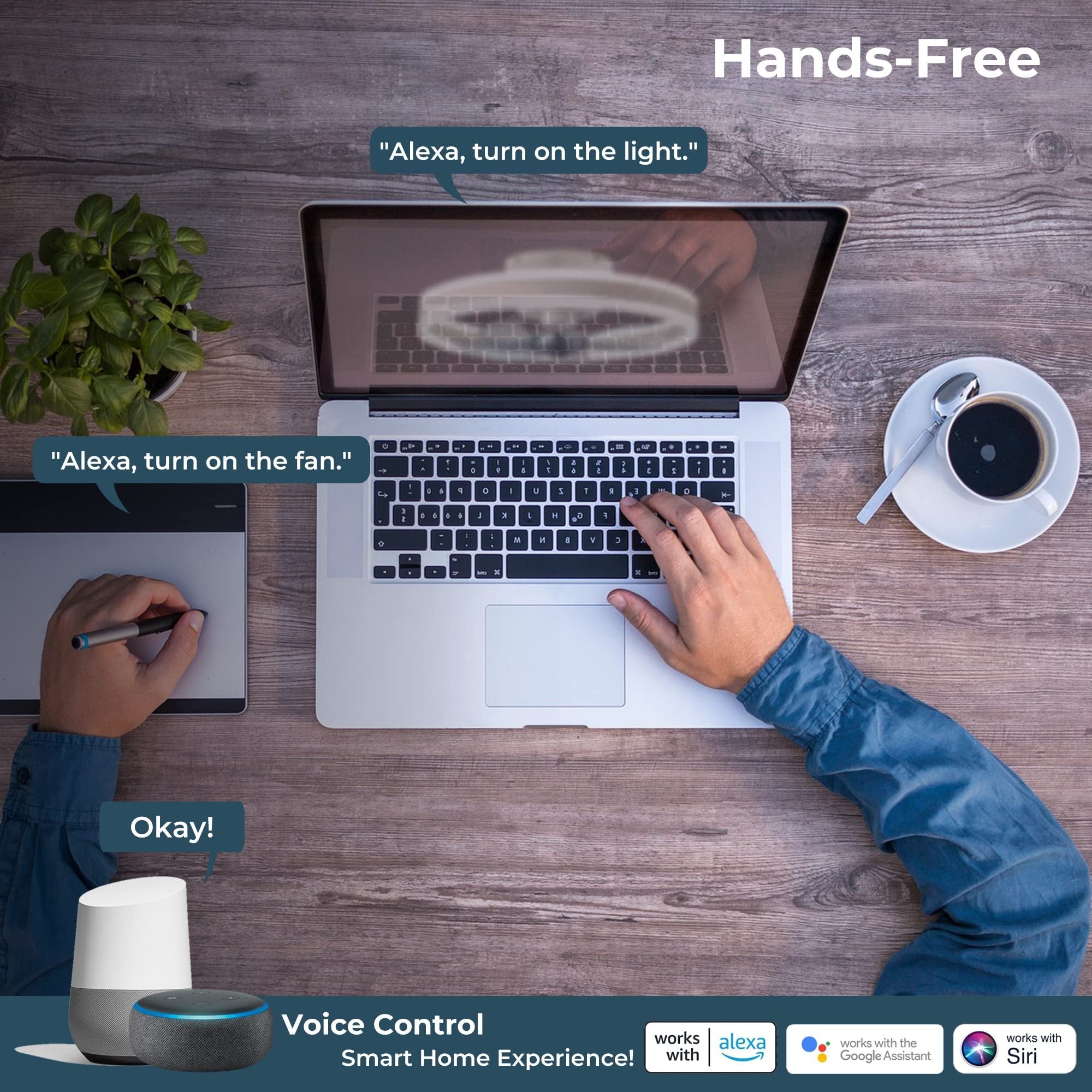
Your automation chain often includes the aerator controller, a central hub or cloud service, the mobile app, and optional voice control. Decide whether logic lives locally (preferred for fail-safe autonomy) or in the cloud (convenient for complex integrations). If you expose control via an API for custom dashboards, secure it behind authentication and rate limits. Voice routines, like those used with an alexa controlled ceiling fan, are delightful for manual checks — but never let voice-only controls override critical safety routines. Test firmware and app updates in a controlled window; otherwise, an update can temporarily disable automation when you least need it.
Common mistakes and how the framework avoids them
Teams often err by: 1) relying solely on fixed schedules instead of sensor data, 2) omitting hysteresis and creating wear on relays and pumps, and 3) failing to plan for connectivity loss. The framework corrects each: sensors define needs, hysteresis preserves hardware, and local safety logic preserves life support when the cloud is unreachable. A final practical tip — log events for two weeks after any rule change; patterns reveal whether thresholds are well-chosen or merely hopeful.
Deployment checklist
Before you go live, confirm these items: validated sensors with recent calibration, a battery or UPS backup for the controller, documented acceptance criteria for each automation rule, and a notification path for alerts. Run a staged rollout: enable safety rules first, then efficiency optimizations. If you’re integrating with other smart devices, verify that your hub supports secure token-based authentication — plain passwords invite trouble.
Three golden rules for selecting strategies and tools (Advisory)
1) Prioritize local autonomy: ensure safety rules run without cloud connectivity. 2) Measure before you tune: collect two weeks of sensor data to set thresholds rather than guessing. 3) Harden communications: use encrypted APIs, watchdog timers, and UPS-backed controllers to avoid single points of failure.
Done well, this framework turns a hands-on chore into a quiet orchestration that respects ecology and time — and that’s exactly the practical value a mindful partner brings. Orison. —