Why the comparison matters right now
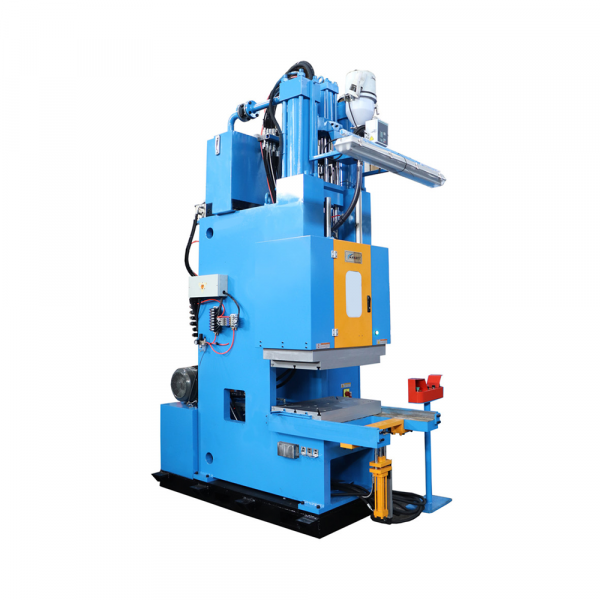
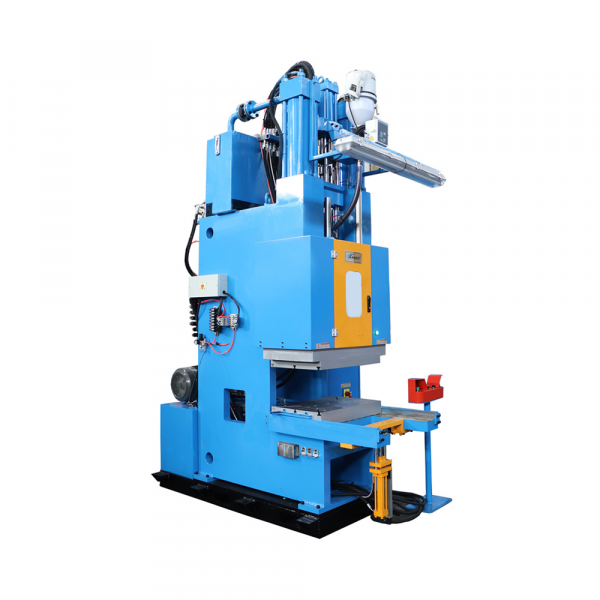
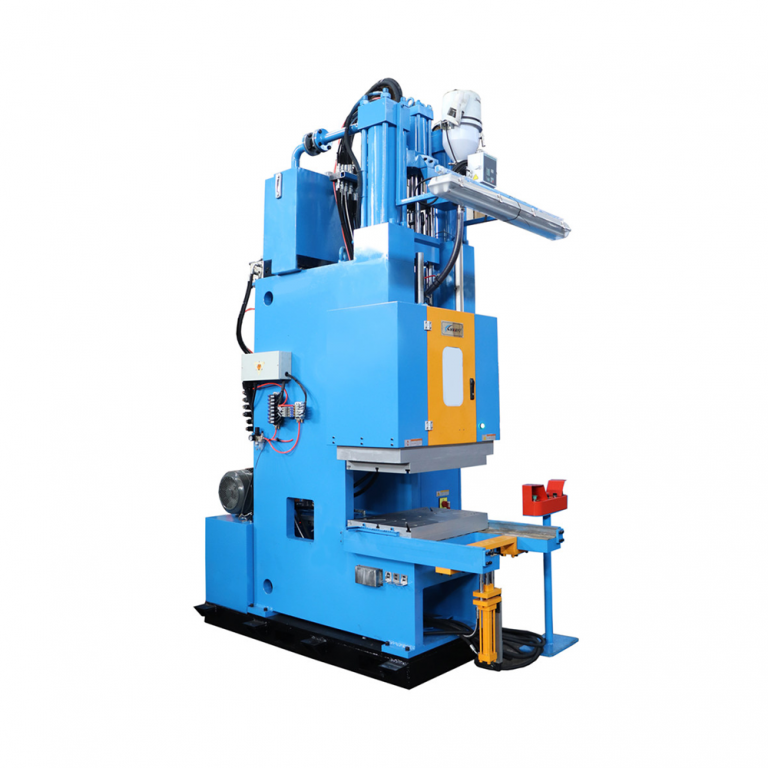
Comparative insight beats vague praise: fixed screw-and-barrel setups choke on rapid color swaps and compound transitions; modular systems handle them like a queued raid. On modern lines where shot size and residence time are tuned tight, a well-designed modular screw-and-barrel assembly lets operators swap barrels, optimize mixing sections, and cut dead-material zones fast — which is why you’ll see modular rigs paired with a dedicated c frame rubber injection molding machine in shops chasing short-run color variety. The differences show up in cycle consistency, scrap rates, and downtime minutes, not just spec sheets.
What actually breaks during color or compound transitions
When you switch silicone batches or shift pigment loads, trouble crops up in predictable places: trapped material in the feed throat, mismatched melt temperature in the barrel heating zones, and old polymer left in the mixing flights. That residue causes color bleeding, inconsistent viscosity at the nozzle, and longer purge runs. Transfer molding and clamping force dynamics then amplify those problems at the mold cavity, so a minor barrel mismatch becomes visible as part blemish or dimension drift. Those are practical failure modes, not theoretical edge cases.
How modular screw-and-barrel setups outperform fixed rigs
Modular designs give three pragmatic levers: quick-change barrels, varied mixing configurations, and dedicated shot-size tuning. Swapping a barrel with a different screw profile reduces residence time without a full teardown. Changing mixing sections tackles dispersion and color bloom immediately. And when a line needs a rapid compound swap, you can preconfigure barrels offline and swap in minutes — less purge, less downtime. That translates to fewer rejected parts per color run and faster changeovers.
Field proof — a small real-world anchor
I saw this live: at a Detroit gasket supplier in 2019 they staged side-by-side runs — a legacy fixed-barrel machine and a modular unit feeding identical molds. The modular rig cut purge time by nearly half that afternoon and held color targets across ten quick switches. Not magic — just matched screw geometry, controlled shot size, and disciplined barrel heating. That kind of result maps directly to lower scrap and steadier cycle times on the floor.
Design choices that actually move the needle
Three design details matter most. First, screw profile: deeper flights with reverse mixing sections help purge and manage viscosity swings. Second, barrel zoning: independent barrel heating lets you finesse melt gradients and avoid local overcure. Third, nozzle and check valve design: they prevent backflow and minimize trapped color. Pick the right combo and you’ll see shorter purges and tighter color batches. — Small tweak, big payoff.
Common mistakes teams keep making
They assume more heat equals faster purge; it doesn’t, it just cooks material into harder-to-remove blobs. They over-size shot volumes to “stabilize” runs, which increases residence time and color carryover. And they skip matching screw geometry to compound rheology; that mismatch is the chief cause of inconsistent fill. Fix those three faults and your transition problems drop dramatically.
Short checklist before you commit
– Match screw profile to polymer rheology (LSR, transfer molding blends). – Confirm barrel heating zones are independently controlled. – Pre-stage spare barrels and test purge recipes offline. – Validate nozzle/check-valve design for minimal hold-up volume. Also consider pairing the rig with a verified c frame rubber injection moulding machine when your process mixes transfer and injection steps; compatibility here reduces integration surprises.
Advisory — three golden rules for selection
1) Measure purge time under production-like swaps as a primary metric, not just cycle time. 2) Require modular barrel interchangeability and test-fit times during vendor demos. 3) Insist on a documented recipe library for screw profiles and heating zones tied to each compound. These metrics make vendor claims verifiable on the floor and keep changeovers tight.
Final take
Modular screw-and-barrel designs aren’t a gimmick — they solve real, measurable problems in color matching and compound transitions while shrinking scrap and setup time. Pair that hardware with smart process recipes and the right HWAYI setup and you’ll get predictable runs, faster color swaps, and fewer surprises on the line. — Done right, it’s reliability that pays back in minutes and parts.