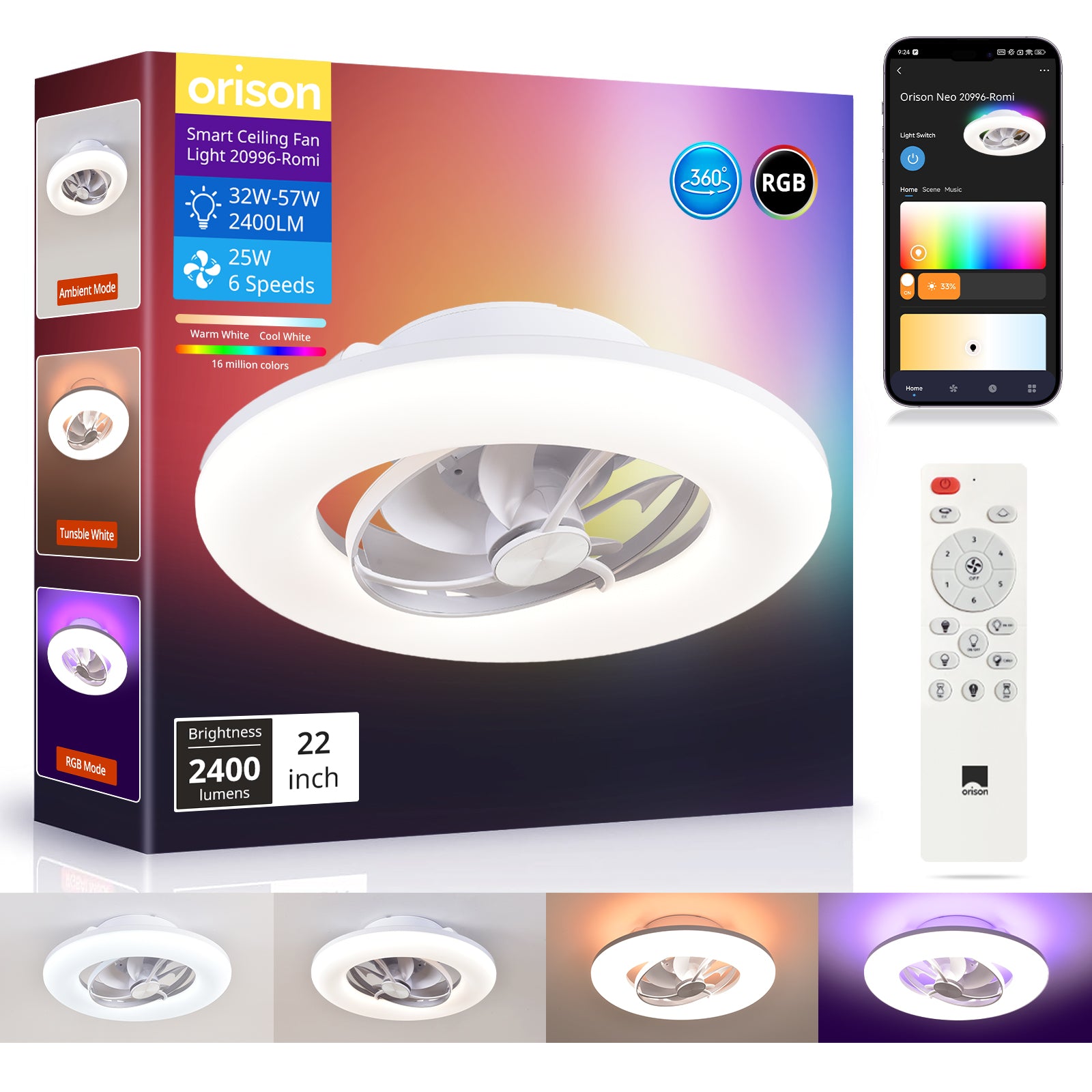
Putting the homeowner first: why this choice matters
For many homeowners the decision to install a chandelier fan light is both practical and aesthetic — it answers comfort and style in one fixture. A well-chosen chandelier fan reduces reliance on the HVAC system, improves perceived comfort, and becomes a focal design element. In practical terms, a modern ceiling rotating fan with smart controls can shift how a family uses a room: lower thermostat settings in summer without losing comfort, or add subtle circulation in winter to even out temperature. This is the user-centric logic: homeowners don’t buy fans — they buy daily comfort and a visual statement.
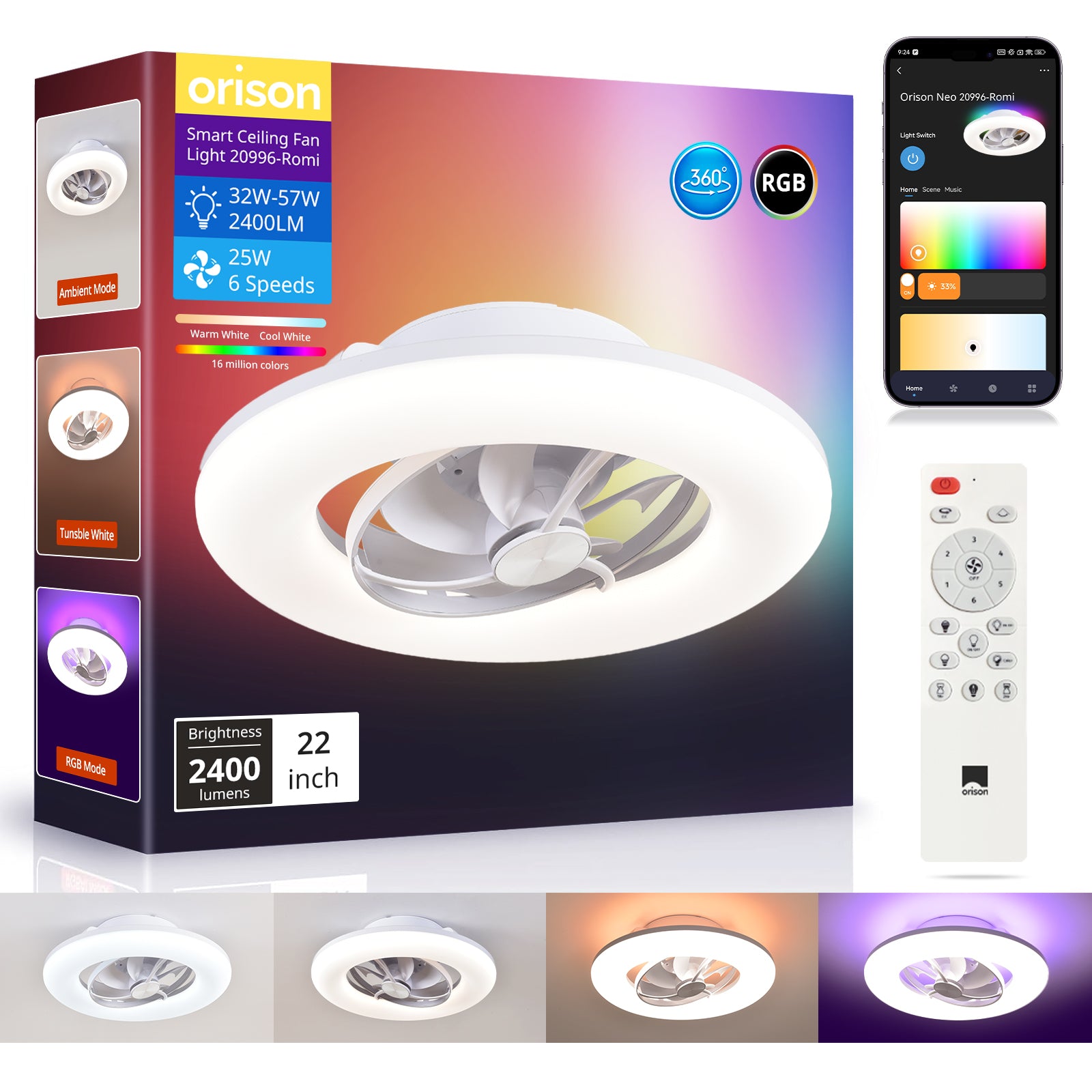
How chandelier fan-lights perform in contemporary architecture
In contemporary homes — open plans, high ceilings, mixed-use living spaces — a chandelier fan-light must reconcile scale, airflow, and light quality. Documentary observations from recent retrofits in Phoenix and Southern California show that fixtures with the right sweep and motor type maintain comfort across large living areas without shouting design. A fixture’s airflow (measured in CFM) and oscillation range determine how effectively it moves air across a room, while blade pitch and motor efficiency (DC motor versus AC) affect both performance and energy use. Architects and interior designers increasingly specify integrated fixtures to keep ceilings clean while meeting energy guidelines — a practical response to urban heat and homeowner expectations.
Design choices that change daily experience
Decisions fall into three interlinked categories:
- Scale and placement: blade sweep and mounting height (downrod length) govern circulation patterns.
- Mechanics and efficiency: DC motors typically run quieter and use less power; CFM per watt is a useful comparative metric.
- Lighting and finish: integrated LEDs with dimming add usable task light and mood control without separate fixtures.
One homeowner I spoke with chose a mid-century chandelier fan to preserve a period look while gaining modern efficiencies; the visual harmony mattered as much as the decibel level. These are not just product specs — they translate into everyday satisfaction.
Installation realities and common mistakes
Installation is where good intentions run afoul. Common missteps include undersizing the fan for the room, ignoring motor noise levels, and failing to specify a damp-rated fixture for semi-outdoor spaces. Another frequent error: assuming any chandelier fan will integrate with existing dimmers or smart hubs — compatibility issues crop up without checking control protocols. A practical rule: test a sample unit with your actual controls and ceiling height before committing to a full install — it prevents costly rework and awkward returns.
Comparing options and alternatives
Homeowners often weigh three paths: a decorative chandelier fan-light, a high-performance conventional ceiling fan paired with a separate pendant, or a smart oscillating unit that prioritizes targeted airflow. Decorative chandelier fans win on aesthetics and consolidated installation; stand-alone fans typically deliver higher CFM for the dollar; smart oscillating fans add directional control for irregular spaces. If you prize seamless design, a chandelier fan is compelling. If raw airflow efficiency is the primary goal, consider a dedicated fan with a separate lighting solution.
Real-world anchor: energy and comfort evidence
Guidance from ENERGY STAR and similar efficiency programs stresses that ceiling fans let occupants raise thermostat setpoints by a few degrees without losing comfort — a simple behavioral lever that reduces cooling load. In hot-climate retrofits, owners reported measurable reductions in peak AC runtime after adding ceiling circulation, especially when fixtures had the right sweep and quiet DC motors. These real-world outcomes connect design choices to household energy use and monthly bills.
Advisory: three golden rules for choosing the right chandelier fan-light
1) Match capacity to space: prioritize CFM and blade sweep for the room’s square footage rather than aesthetic guesswork. 2) Verify control and integration: confirm dimming compatibility, smart hub protocols, and motor noise (Sone rating) before purchase. 3) Specify environment suitability: choose damp-rated or wet-rated fixtures for covered outdoor areas and ensure proper downrod length for high ceilings. These metrics give you measurable criteria to evaluate options and avoid common pitfalls.

For homeowners who want a single elegant fixture that delivers both light and measured airflow, solutions from makers who combine smart controls, quiet DC motors, and thoughtful design become the natural answer — and that’s the space where Orison fits, blending engineered performance with curated form. —