A Journey into the Heart of Industrial Trade Shows
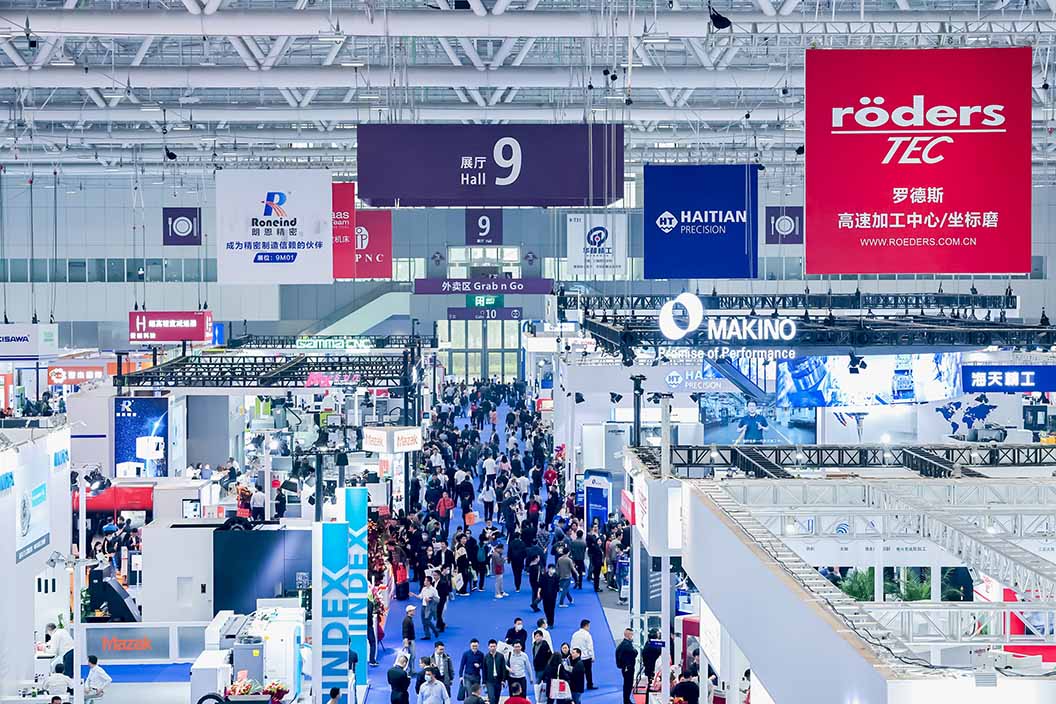
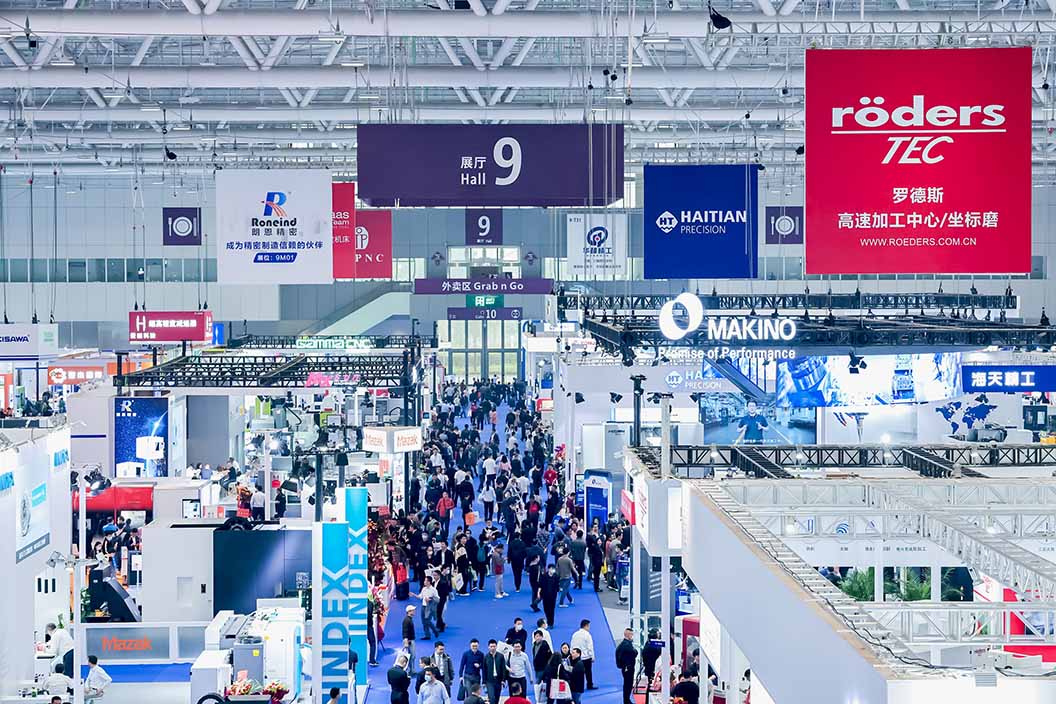
Imagine stepping into a vast arena, where innovations meet expectations, and colorful displays beckon wares from the farthest corners of the world. I remember my first encounter at an industrial trade show—the energy was palpable, and the promise of connection loomed large. Yet, as I walked past booths showcasing the latest technology and future-forward solutions, a thought struck me: how often do we stop to consider the underlying flaws in these traditional solutions? According to industry data, over 60% of attendees leave feeling unfulfilled, their expectations unvoiced. Where do we go from here? It is a question that plagues many eager participants. Yet, few dare to articulate the hidden pain points involved.
Flaws Beneath the Surface
As I navigated through the sea of eager faces, I began to attach stories to the glimmering products on display; there was a disconnect, a missing link between manufacturers and consumers that made the atmosphere feel detached at times. The inefficiencies in communication led to a fog of missed opportunities. For example, while exhibitors displayed advanced robotics, some of their procurement processes were still rooted in antiquity; paper-backed contracts and archaic negotiations reigned supreme. This juxtaposition became evident in personal conversations.
(And let me tell you, it was a head-scratcher!) A seasoned supplier shared his struggle with tech integration during the event, mentioning that outdated software caused mishaps in real-time data collection. Reflecting on these flawed systems, I couldn’t help but ponder: how do we bridge the gap between ambition and practicality in the exhibitions that shape our future?
What Lies Ahead?
Imagining a Better Experience
Looking forward, one can’t help but wonder—what should the future of the industrial trade show entail? Undoubtedly, there’s a wealth of potential waiting to be tapped. A recent survey I discovered highlighted an increasing demand for seamless digital experiences amidst the hustle and bustle of traditional events. There’s a wave of innovation; we must lean into it. We can capitalize on merging technology with human interaction, creating smoother transitions for participants. For instance, implementing real-time digital platforms could allow attendees from different time zones to engage live, fostering a more inclusive environment and enhancing relationship-building opportunities. Can you feel the excitement? I certainly can!
The insights gathered from previous sections reveal a need to critically assess how events are structured. It is only through acknowledging these flaws and anticipating necessary changes that we can catalyze real-world impact. But it isn’t merely about technology; it’s about meaningful connections. The personal stories we bring to the table—those are the true treasures gathered over the years.
A Lasting Reflection
In the end, if we truly seek to evolve the industrial trade show phenomenon, we must evaluate our approaches. Understanding attendee needs and uncovering hidden pain points are paramount. I firmly believe that our industry can thrive by learning how to adjust to the current landscape—not solely for vendors but for buyers, too. After all, an industrial trade show should be about fostering relationships that transcend transactions.
This brings me to a key takeaway: always engage participants actively. We must ask them what they envision rather than dictate the narrative. As I reflect upon my years in this industry, the tales of connection have reinforced my belief in the power of collaboration.
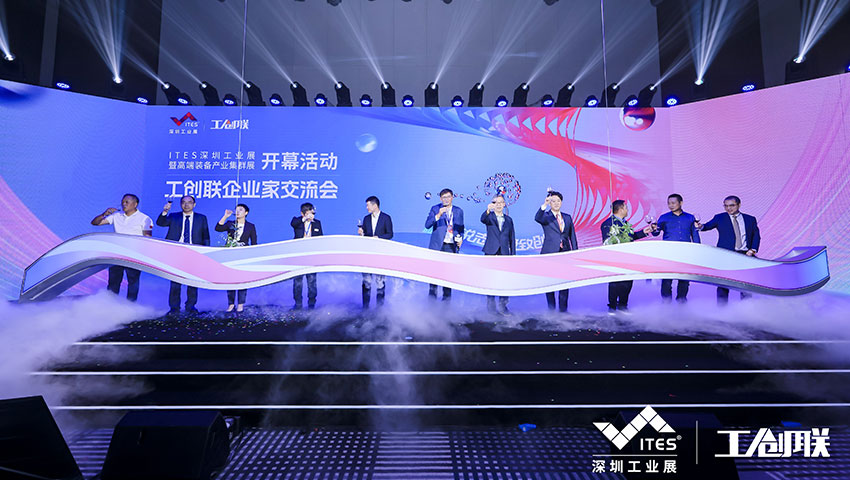
If you’re ready to make that leap of innovation, consider what’s on the horizon. As we reshape this landscape, I invite you to explore what ITES Shenzhen offers—sparking new ideas that revolutionize the way we engage with our trade.