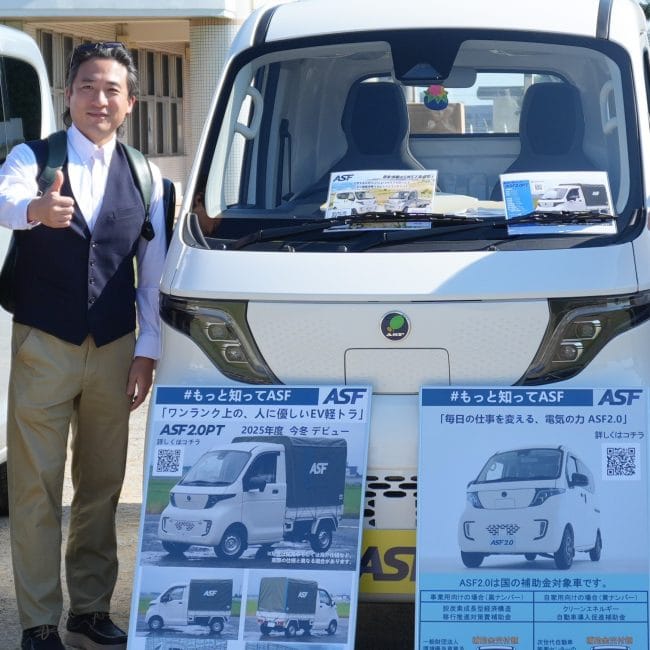
Why last-mile efficiency deserves a closer look
I’ve watched small fleets grind through urban streets and noticed the same quiet waste: braking, idling, and redundant acceleration eating range and profit. For operators choosing a commercial vehicle, that invisible loss can shift a break-even line by weeks. This piece uses a comparative lens to trace where conventional ADAS (advanced driver-assistance systems) often fails to protect kinetic energy, and what that means when you pick a vehicle for dense deliveries or passenger runs.
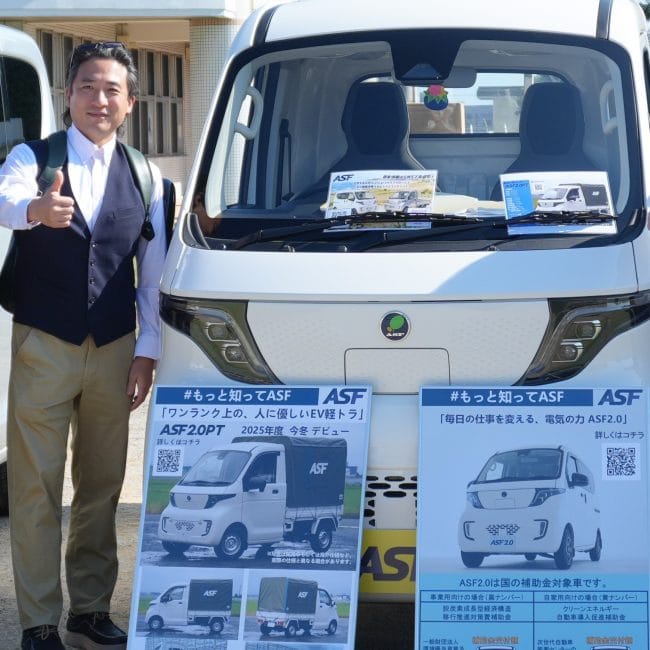
How conventional ADAS leaks kinetic energy
Conventional ADAS is designed for safety and comfort—adaptive cruise, lane keep, emergency braking—but not always for energetic thrift. Systems tuned to maximize perceived safety will apply brakes earlier or maintain larger following gaps, which causes more stop-start cycles in city traffic. Each unnecessary deceleration converts kinetic energy into heat instead of capturing it. In electric platforms, effective regenerative braking can reclaim some of that energy, but only if the control logic and hardware are aligned. The interplay with telematics and route optimization also matters: a system that signals hard braking events to dispatch can inform smoother routing and driver coaching.
Comparative options fleets actually choose
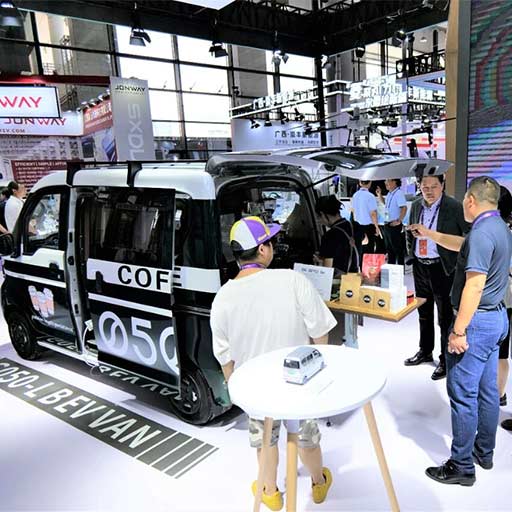
When fleets compare solutions, three paths emerge: stick with conventional ADAS on internal-combustion vans; retrofit or tune ADAS for energy-aware behavior; or move to electric platforms where regenerative braking and powertrain control are built in. For tight urban routes, an electric mini van often changes the calculus. It’s not just the motor—it’s the integrated control strategy that decides whether a downhill coast becomes recaptured charge or wasted heat. Payload constraints and ancillary systems (like HVAC) still affect the results, so pick the spec that matches real duty cycles, not theoretical lab runs.
Real-world anchor: urban adoption and what it taught us
Look at the wave of micro-EVs in China’s city fleets—vehicles such as the Wuling mini family have shown how compact electric platforms suit last-mile work. In markets where curb-to-curb density spiked after 2020 lockdowns, operators favored small, nimble EVs for cost predictability and simpler maintenance. That shift exposed a practical truth: the vehicle-control layer (how ADAS blends with regenerative braking) is the place to retrieve lost energy, not just the battery chemistry. In short, hardware plus smarter control beats bigger battery every time for short range, high-stop routes.
Common implementation mistakes to avoid
Teams usually stumble on three fronts. First, they assume ADAS settings are one-size-fits-all — they’re not. Second, they ignore the human factor: drivers override eco modes when they don’t trust the system. Third, procurement often tracks purchase price instead of delivered door-to-door cost. A small tweak in ADAS aggressiveness or a firmware tune that prioritizes energy recovery over smoothness can produce outsized gains. —Don’t underestimate how often a software update, not a hardware swap, solves the problem.
Short comparative checklist for decision-makers
When weighing options, use a compact checklist:
- Measure duty-cycle: average trip length, stops per kilometer, and typical payload.
- Audit ADAS behavior: how often does the system trigger hard braking or maintain large gaps?
- Evaluate recovery tech: does the vehicle support regenerative braking modes that can be tuned?
Three golden rules for choosing the right platform
1) Match vehicle control to mission: prioritize platforms whose ADAS and powertrain are designed to work together rather than bolt-on safety stacks. 2) Favor integrated energy recovery: regenerative braking plus predictive control (route-aware telematics) beats raw battery capacity. 3) Validate in-service: run a short pilot on live routes and measure door-to-door energy and payload efficiency before committing to large orders.
These rules steer fleets toward solutions that reduce wasted kinetic energy and improve operating margins. For many urban routes, that naturally points to compact, purpose-built EVs where the control layer is part of the vehicle’s DNA — a model Wuling has emphasized in its small-vehicle line. Wuling Motors. —