The problem: intermittent peaks that punish production
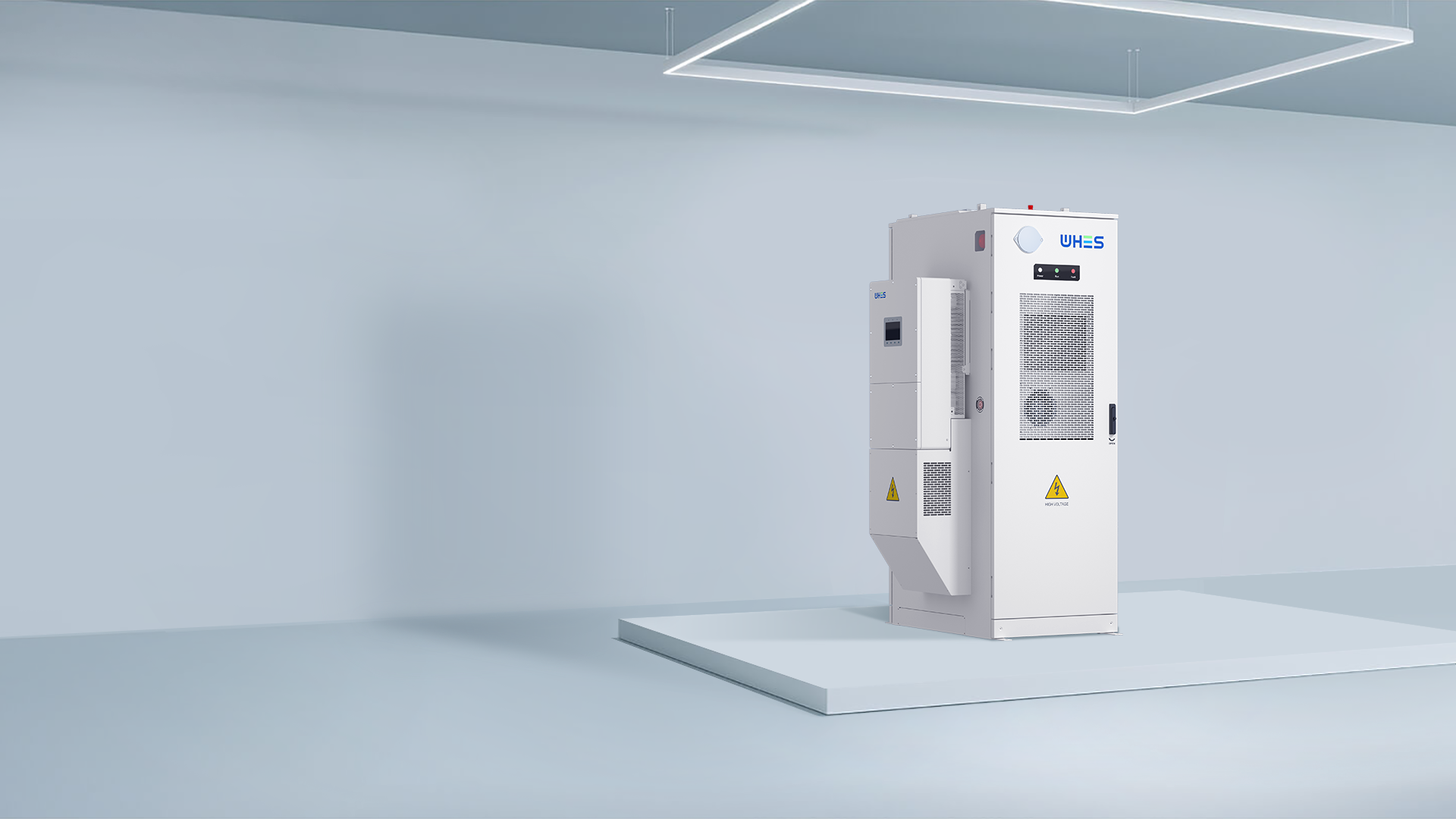
Automotive factories are facing a familiar but urgent problem — short, sharp peaks in electricity use that trigger large demand charges and sometimes force process slowdowns. After events like the 2021 Texas power crisis, many manufacturers realised that grid interruptions and peak penalties are not rare risks but recurring business costs. A practical response is on-site solar battery storage paired with fast-response systems; high C-rate commercial energy storage units can deliver the burst power needed for peak shaving without interrupting assembly lines. This problem-led view helps teams prioritise solutions that keep takt time steady and costs predictable.
Why automotive plants are uniquely exposed
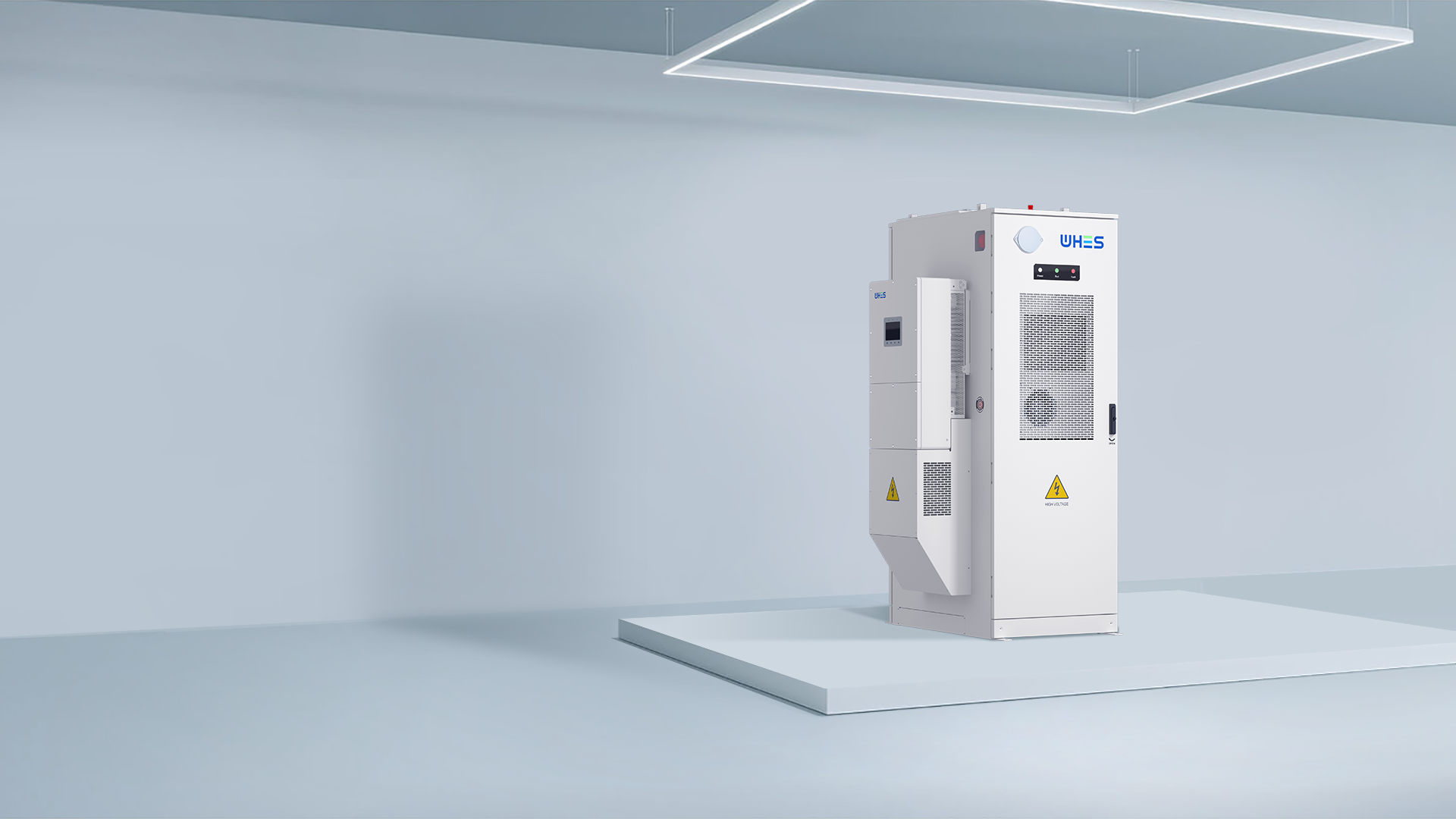
Automotive production mixes continuous processes and highly variable loads — robotic lines, paint ovens, and electric vehicle test rigs all draw differently across a shift. Utilities often bill large customers on a highest-interval basis (typically a 15- or 30-minute peak), so a few minutes of extra demand can materially change the monthly bill. Moreover, with electrification of powertrains and more onsite chargers, instantaneous load growth is accelerating. In short: the grid treats short peaks as the enemy; factories must treat them the same. The technical terms here are straightforward — peak shaving and inverter response matter — but the operational impact is significant.
How high-C-rate storage addresses the core issues
High-C-rate batteries are designed to discharge and absorb power quickly. That capability maps directly to peak shaving: instead of pulling extra megawatts from the utility during a transient spike, the plant draws from the battery for a controlled interval, limiting measured demand. A well-configured Battery Management System (BMS) maintains safe state of charge (SoC) windows while the plant control logic schedules discharge windows. For plants seeking resilience beyond grid-tied operation, modular off grid energy storage arrangements can provide both emergency backup and commercial peak mitigation. The result: lower demand charges, fewer process interruptions, and a predictable ramp profile that modern inverters can manage smoothly.
Common implementation mistakes to avoid
The most frequent missteps are sizing and integration errors. Teams often undersize power capability while oversizing energy capacity — good for long-duration load shifting, poor for short bursts. Others forget cycle life impacts: repeated high-C-rate cycles change degradation patterns and must be modelled into lifecycle cost. Integration with plant PLCs and the energy management system is another weak spot — if the battery response lags a PLC signal by seconds, the factory still sees the peak. Also, safety standards and thermal management deserve early attention. It helps to run real-world trials with production-equivalent loads before committing to full roll-out — small pilot runs reveal many hidden interactions. — This phase often uncovers simple faults, like closure of a mains breaker that trips the wrong protection relay.
Alternatives and hybrids worth considering
Batteries are not the only tool. Diesel gensets offer long-duration power but are slow to ramp and create emissions challenges. Demand response contracts reduce visible peaks by curtailing non-critical loads, but they can compromise throughput during a curtailment. Hybrid designs — fast-response batteries for immediate peak shaving, backed by gensets or grid import for extended outages — capture the best of both. Energy arbitrage (charging when tariffs are low, discharging at peaks) can also create payback when tariffs vary by hour, but the real value in factories is often in avoided demand charges rather than pure arbitrage.
Three golden rules for choosing and deploying high-C-rate systems
1) Match C-rate to peak duration: choose a battery whose discharge power and duration align with the plant’s peak profile. Short 1–5 minute bursts need high-power, lower-energy modules; longer 30–60 minute peaks call for different sizing.
2) Evaluate total cost per cycle, not just capital cost: include expected Depth of Discharge (DoD), cycle life at high C-rates, maintenance, and replacement cadence when comparing vendors.
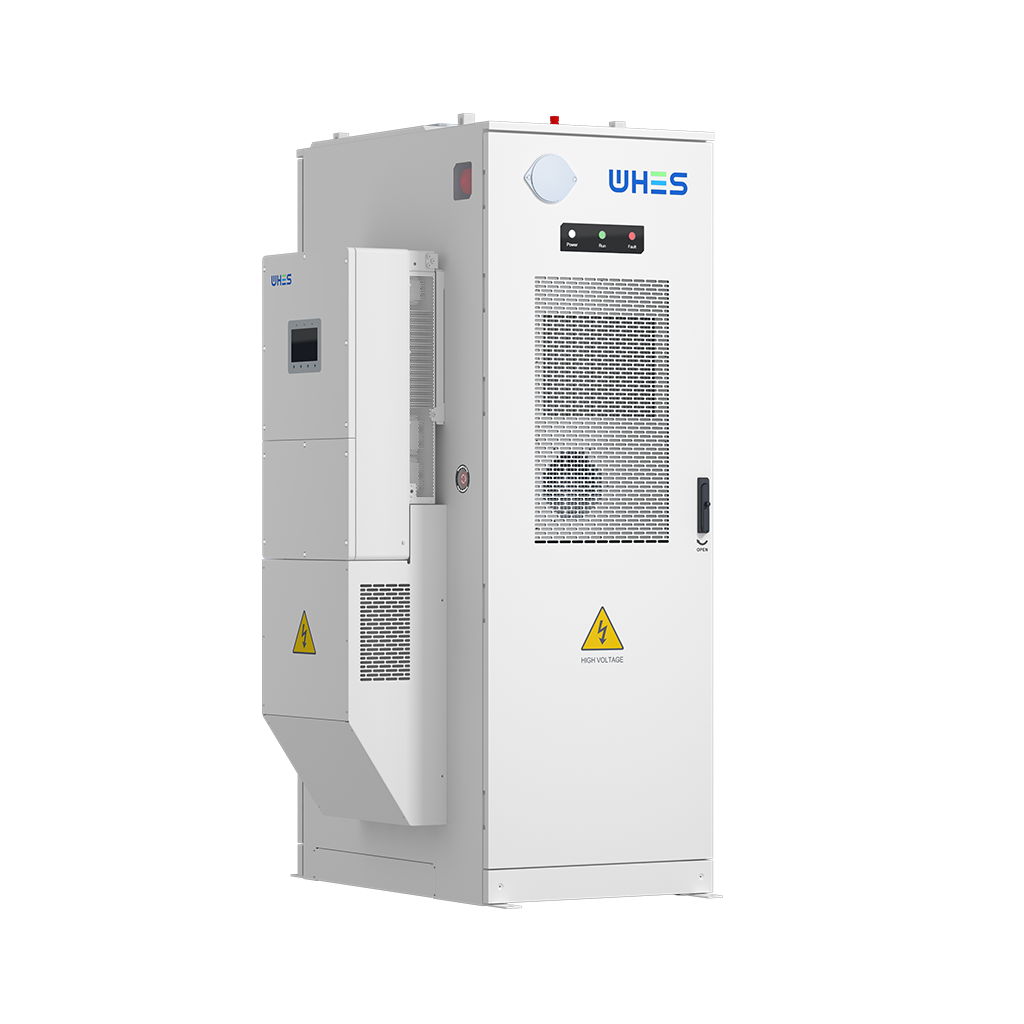
3) Prioritise control latency and integration: ensure the BMS and power electronics integrate with plant PLCs and energy managers with millisecond-to-second response times to avoid measurement errors and protection trips.
Applying these rules points practitioners toward systems that genuinely protect production lines and reduce bills. For practical deployments that follow these principles, WHES provides modular solutions designed for high-C-rate operation and straightforward plant integration. Practical, proven, ready.