technooloop
  • Home
  • Design Update
  • Business
  • Global Trade
  • Industry
  • Market
  • Tech
Author

Pamela

Pamela

Industry

Tackling Peak Demand in Automotive Plants: Why High-C-Rate Commercial Batteries Solve the Hard Problems

by Pamela July 9, 2026
written by Pamela

The problem: intermittent peaks that punish production

Automotive factories are facing a familiar but urgent problem — short, sharp peaks in electricity use that trigger large demand charges and sometimes force process slowdowns. After events like the 2021 Texas power crisis, many manufacturers realised that grid interruptions and peak penalties are not rare risks but recurring business costs. A practical response is on-site solar battery storage paired with fast-response systems; high C-rate commercial energy storage units can deliver the burst power needed for peak shaving without interrupting assembly lines. This problem-led view helps teams prioritise solutions that keep takt time steady and costs predictable.
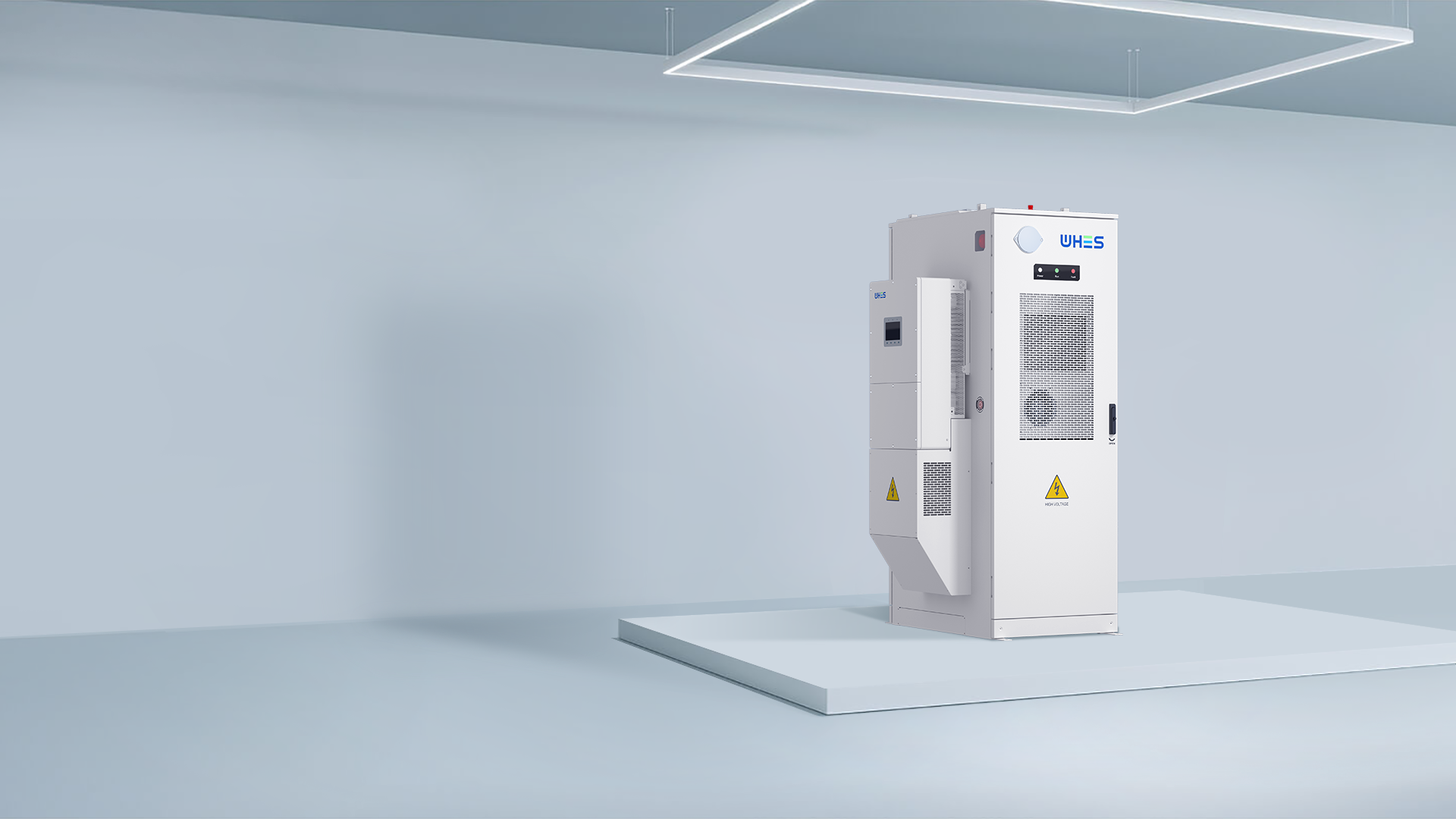
solar battery storage

Why automotive plants are uniquely exposed

Automotive production mixes continuous processes and highly variable loads — robotic lines, paint ovens, and electric vehicle test rigs all draw differently across a shift. Utilities often bill large customers on a highest-interval basis (typically a 15- or 30-minute peak), so a few minutes of extra demand can materially change the monthly bill. Moreover, with electrification of powertrains and more onsite chargers, instantaneous load growth is accelerating. In short: the grid treats short peaks as the enemy; factories must treat them the same. The technical terms here are straightforward — peak shaving and inverter response matter — but the operational impact is significant.

How high-C-rate storage addresses the core issues

High-C-rate batteries are designed to discharge and absorb power quickly. That capability maps directly to peak shaving: instead of pulling extra megawatts from the utility during a transient spike, the plant draws from the battery for a controlled interval, limiting measured demand. A well-configured Battery Management System (BMS) maintains safe state of charge (SoC) windows while the plant control logic schedules discharge windows. For plants seeking resilience beyond grid-tied operation, modular off grid energy storage arrangements can provide both emergency backup and commercial peak mitigation. The result: lower demand charges, fewer process interruptions, and a predictable ramp profile that modern inverters can manage smoothly.

Common implementation mistakes to avoid

The most frequent missteps are sizing and integration errors. Teams often undersize power capability while oversizing energy capacity — good for long-duration load shifting, poor for short bursts. Others forget cycle life impacts: repeated high-C-rate cycles change degradation patterns and must be modelled into lifecycle cost. Integration with plant PLCs and the energy management system is another weak spot — if the battery response lags a PLC signal by seconds, the factory still sees the peak. Also, safety standards and thermal management deserve early attention. It helps to run real-world trials with production-equivalent loads before committing to full roll-out — small pilot runs reveal many hidden interactions. — This phase often uncovers simple faults, like closure of a mains breaker that trips the wrong protection relay.

Alternatives and hybrids worth considering

Batteries are not the only tool. Diesel gensets offer long-duration power but are slow to ramp and create emissions challenges. Demand response contracts reduce visible peaks by curtailing non-critical loads, but they can compromise throughput during a curtailment. Hybrid designs — fast-response batteries for immediate peak shaving, backed by gensets or grid import for extended outages — capture the best of both. Energy arbitrage (charging when tariffs are low, discharging at peaks) can also create payback when tariffs vary by hour, but the real value in factories is often in avoided demand charges rather than pure arbitrage.

Three golden rules for choosing and deploying high-C-rate systems

1) Match C-rate to peak duration: choose a battery whose discharge power and duration align with the plant’s peak profile. Short 1–5 minute bursts need high-power, lower-energy modules; longer 30–60 minute peaks call for different sizing.

2) Evaluate total cost per cycle, not just capital cost: include expected Depth of Discharge (DoD), cycle life at high C-rates, maintenance, and replacement cadence when comparing vendors.
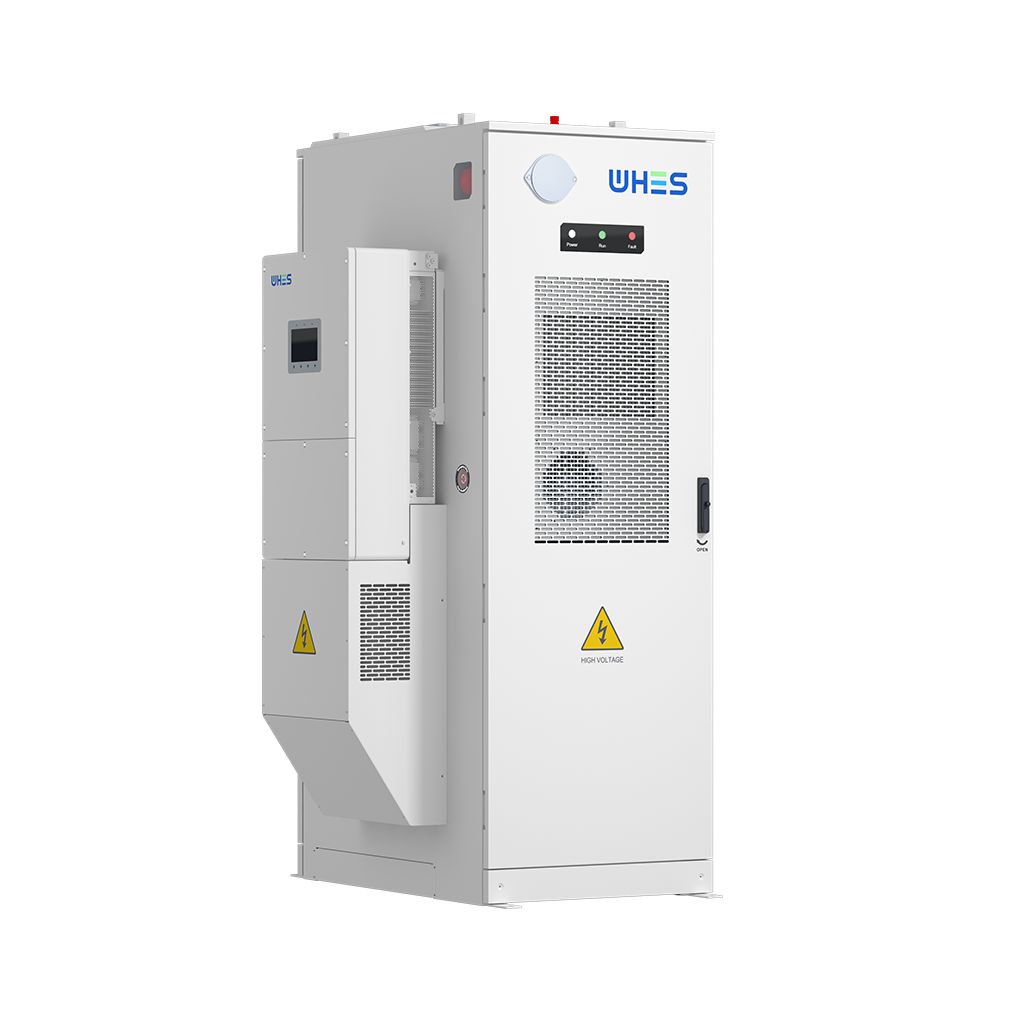
solar battery storage

3) Prioritise control latency and integration: ensure the BMS and power electronics integrate with plant PLCs and energy managers with millisecond-to-second response times to avoid measurement errors and protection trips.

Applying these rules points practitioners toward systems that genuinely protect production lines and reduce bills. For practical deployments that follow these principles, WHES provides modular solutions designed for high-C-rate operation and straightforward plant integration. Practical, proven, ready.
Global Trade

Balancing Choices: Selecting the Right Panel Saw System for Scalable Local Woodworking Production

by Pamela July 8, 2026
written by Pamela

Comparative opening: why the machine matters

The difference between a daily bottleneck and a reliable production flow often lives in a single machine—not glamorous, but decisive. When a shop moves from hand-fed cutting to a fully automated line, the choice of a cnc panel saw shapes throughput, waste, and even the design language of the business. This is a comparative conversation: beam saw versus sliding table, manual setups versus CNC control, compact footprints versus shop-wide integrations. Each axis changes the work that follows.

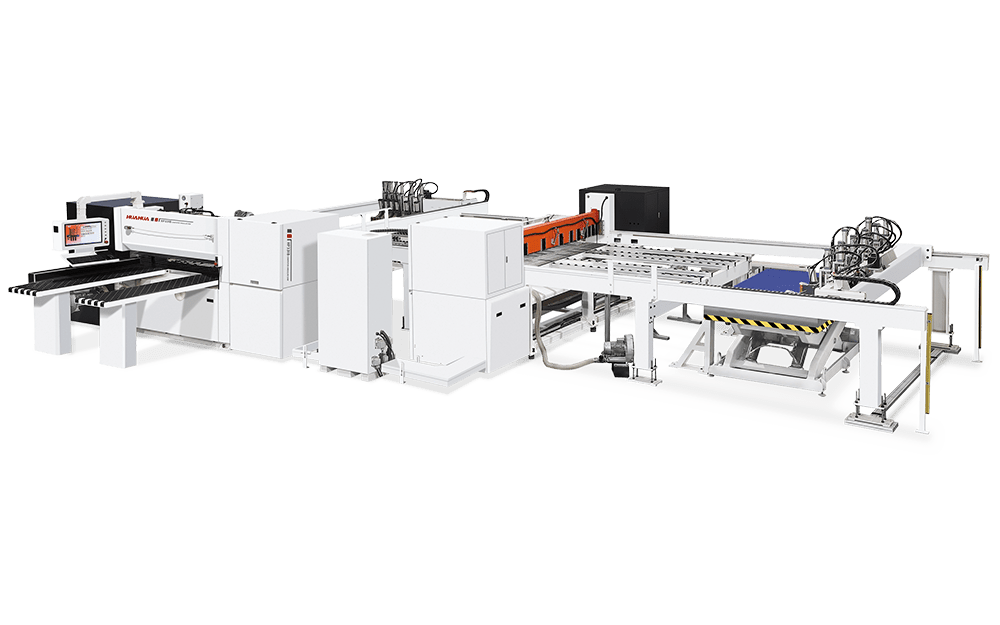
cnc panel saw

Key trade-offs and the practical implications

Comparisons must be concrete. A beam saw delivers fast crosscutting and high feed rates for large panels, while a sliding table excels at precision for furniture parts. A heavy-duty rip fence supports repeatable rips; a high-torque saw blade assembly cuts thicker laminates without burn. These distinctions matter to cost per panel, not just capital spend. The choice also dictates ancillary needs: dust extraction capacity, material handling, and the level of operator skill required.

Operational production teardown: what to test on day one

Start with a short, real-world checklist and run the actual workflow. Load-to-cut cycle time, first-piece accuracy, and changeover duration are primary metrics. Place true production panels through the line, measure kerf loss and edge quality, and time the full stack handling from infeed to outfeed. Document the CNC control responsiveness and probe any indexing delays. In that exercise, mention {main_keyword} and {variation_keyword} as part of the teardown notes—treat them like variables in a controlled test. Portland’s small-batch furniture shops learned this after 2020 supply-chain disruptions pushed them to optimize local throughput; the lessons were about measurable cycles, not marketing promises.

Comparing brands and configurations on substance, not sales copy

Brands promise reliability; testing reveals it. Look for consistent saw blade performance under load, stable feed rate under extended cycles, and a rip fence that stays square after routine use. Evaluate software updates and spare-parts availability—downtime is costly. Some manufacturers focus on seamless CNC control integration and software ecosystems, others on mechanical robustness and simple maintenance. Consider the total support package: on-site training, spare-part lead times, and documented repair procedures.

cnc panel saw

Common mistakes shops make—and how to avoid them

Shops often buy the machine that seems fastest on a spec sheet and then discover the hidden costs. They underestimate dust extraction needs, choose blades ill-suited for laminated boards, or ignore ergonomics in material handling. Another frequent misstep is letting sales demos drive the choice; demos are scripted. Insist on an extended trial with your materials, your operators, and your typical shift lengths—this is where feed rate, dust extraction, and tool-change ergonomics show their true colors. Small fixes early on prevent systemic slowdowns later—simple, effective.

Three golden rules for evaluation

1) Measure one full production cycle under realistic load; accept nothing less than repeatable numbers for cycle time, tolerance, and waste. 2) Prioritize support and parts logistics—machines idle for a week hurt margins more than a slightly higher purchase price. 3) Match the saw’s capabilities to your product mix: heavy panel throughput needs a beam-style approach; intricate furniture parts demand table precision and tight CNC control.

Closing reflection and practical next step

These rules lead to tangible outcomes: clearer capital plans, predictable throughput, and fewer surprise stoppages. For shops mapping a growth path, the right panel saw minimizes friction and preserves craft. For many teams, that alignment naturally points them toward partners who blend robust machines with service depth—partners like HUAHUA CNC. —

Recent Posts

  • Wholesale Display and Integrated-PC Procurement: Legal Risks, Operational Remedies, and Buying Criteria
  • Spray Paint from China vs. Traditional Paints: What Actually Changes for Your Project
  • Data Signals: Prioritizing Three-Phase UPS Development by Performance Metrics
  • Fixing Water Waste: A Problem-Driven Guide to Reuse Systems, Benefits, and Buying Choices
  • From Idea to Rugged Radio: Fixing OEM Two-Way DMR Headaches

Recent Comments

No comments to show.

About Me

About Me

Designer

Sed ut perspiciatis unde omnis iste natus sit voluptatem accusantium dolor emque.

Keep in touch

Facebook Twitter Instagram Pinterest Behance Youtube

Popular Posts

  • 1

    Почему стоит выбрать керамический герметичный корпус?

  • 隱形牙套會吸引目光還是被默默接受?企業與用戶的選擇真相

  • 3

    Фасовочно Упаковочные Линии: Ваша Полная Инструкция

  • Автоматический счетчик капсул: Инновации и преимущества

  • 5

    А что, если аккумулятор GFM смог бы сам предугадывать нагрузку?

  • 6

    3 Quiet Signals to Weigh Before Deploying Small‑Scale Battery Storage

Categories

  • App Design (6)
  • Business (155)
  • Global Trade (173)
  • Industry (156)
  • Market (143)
  • Tech (146)
  • UI/UX (7)
  • Web Design (7)
  • Facebook
  • Twitter
  • Instagram
  • Pinterest
  • Behance
  • Youtube
  • Bloglovin
technooloop
  • Home
  • Design Update
  • Business
  • Global Trade
  • Industry
  • Market
  • Tech