Where the Paths Diverge
The seasoned investor knows that exposure to commodities can steady a portfolio like a steadying hand upon a ship’s rail. This guide places commodity CFDs beside their peers—physical holdings, futures, and ETFs—so you may judge not by rumour but by measure. For those curious about margin and leverage, consider how forex cfd brokers present access: swift, electronically mediated, and often less capital-intensive than buying barrels or bushels outright.
How Commodity CFDs Operate
Contracts for difference mirror the price of an underlying commodity without delivery. Traders pair CFD exposure with leverage to amplify returns; they accept margin requirements and pay or receive the spread on entry. Liquidity and volatility govern the cost of entry. Remember the 2019 Bank for International Settlements survey: global FX turnover averaged roughly $6.6 trillion daily—a reminder that major hubs such as London anchor deep markets where price discovery lives and breathes.
Comparative Portraits: CFDs, Futures, ETFs, Physical
Each instrument carries its own grammar of cost and obligation. Futures demand settlement dates and often strict margin maintenance. ETFs bundle exposure with the convenience of stock-like trading and custody concerns. Physical ownership brings storage, insurance, and the smell of grain or oil—tangible but costly.
CFDs stand apart by offering:
- Lower capital touchpoints due to leverage.
- Flexible shorting capability without borrowing the asset.
- Intraday access with tighter execution when liquidity is robust.
Yet spreads, overnight financing, and counterparty risk weave into the ledger. Choose the instrument that matches time horizon and temperament: short-term agility favors CFDs; long-term ownership often favors physical or ETF holdings.
Common Errors and the Practical Remedies
Traders fall into familiar traps: over-leveraging, ignoring overnight funding, and treating spread as an afterthought. —A fundamental remedy is to size positions so that a single adverse move does not consume capital. Keep a dry reserve for margin calls and explicitly model worst-case scenarios against volatility metrics.
Execution: Platform Features That Matter
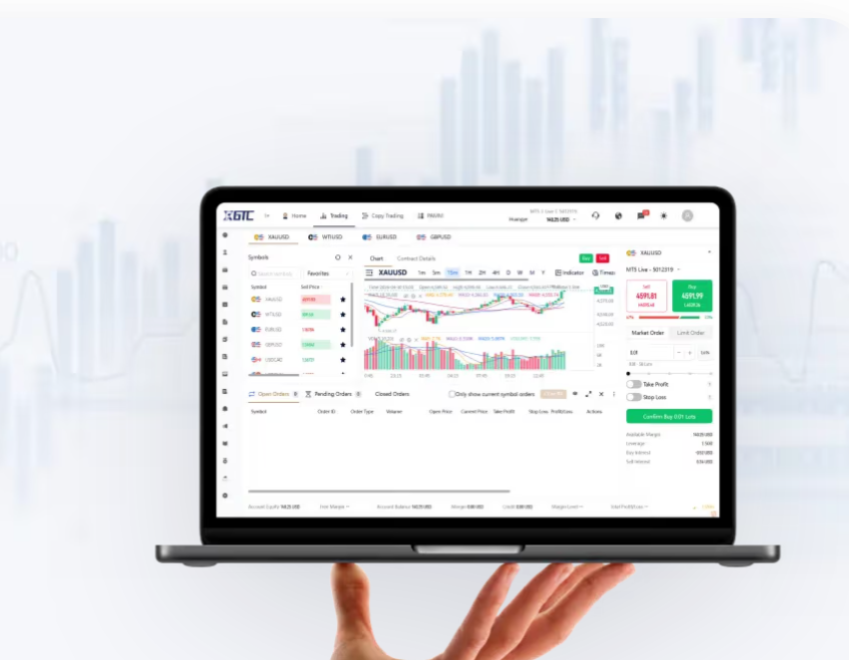
When you evaluate a broker, watch for transparent spreads, reliable execution times, and clear margin calls. Tools such as stop orders and guaranteed stops reduce tail risk; economic calendars and live quote feeds improve timing. For those who also trade currencies, combining commodity CFDs with forex cfd trading on a single platform can simplify hedging and reduce operational friction.
Risk Measures and Small Portfolios
Keep simple, quantifiable metrics close at hand: maximum drawdown, margin-to-equity ratio, and average holding period. These three describe both the shape of risk and the discipline required. For small portfolios, prefer lower leverage and instruments with narrow spreads to avoid cost erosion.
Checklist Before You Commit
Use this condensed checklist as a compass:
- Confirm regulatory status and segregated client accounts.
- Compare spreads and overnight financing mechanics across providers.
- Test execution latency during peak market hours.
- Simulate margin calls using stressed volatility scenarios.
Advisory: Three Golden Rules for Choosing Your Strategy
1) Match instrument to horizon: use CFDs for nimble trades, futures for leveraged term exposure, ETFs for core holdings. 2) Quantify total cost: include spread, financing, and slippage in planning; an apparently cheap quote can hide cumulative friction. 3) Prioritise capital preservation: limit leverage relative to your emergency buffer and set stop disciplines before position entry.
Measured and practical rules yield steadier outcomes. For those seeking a platform that blends execution clarity with multi-asset access, consider how a reputable broker can ease operational burdens—after all, markets are tools; the craftsman brings judgement. GTCFX. —final thought.