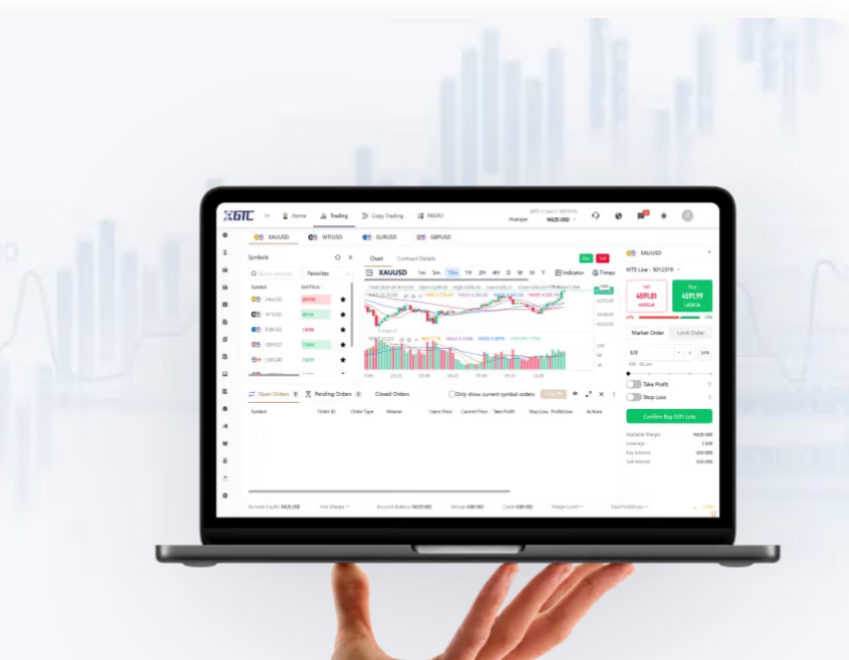
Starting from the trader’s desk
Small wins add up when you trade with clarity, and commodity contracts for difference can be a practical tool for that. On my first week testing live feeds, I liked how quickly positions opened — and that matters. Platforms often bundle access, so you can compare metals and energy without moving accounts; for example, try browsing commodities cfd to see the variety available. This user-focused view shapes the rest of the piece: what traders need, how tools behave, and which habits actually protect capital.
Why commodity CFDs appeal to active traders
Commodity CFDs let you trade price moves without owning the physical asset. That brings two concrete advantages: simpler market entry and straightforward shorting. Leverage reduces the cash required to open a position, and competitive spreads cut the cost of getting in and out. Liquidity in popular contracts — like crude oil and gold — keeps slippage lower during normal sessions. Real-world shocks have exposed both strengths and limits; recall when West Texas Intermediate (WTI) futures briefly traded below zero in April 2020. That event showed how tight margins and calendar squeeze can make even liquid contracts tricky, so risk controls matter.
How platforms translate those advantages into daily practice
A good platform turns margin rules and execution into tools, not obstacles. Use charts to spot trend strength, check the bid-ask to judge spread quality, and enable stop orders to cap downside. Commodity CFD trading works best when the platform gives transparent margin calculators and reliable fills — delays can turn a measured strategy into a costly misstep. Hedging is cleaner with CFDs: you can offset exposure across instruments without the logistics of futures rollovers. That said, know the overnight financing terms before treating a position as long-term.
Common mistakes traders make — and quick fixes
Traders often repeat the same three errors: over-leveraging, ignoring spread dynamics, and trading illiquid contracts. Start with smaller notional sizes and scale only after consistent wins. Watch spread widening during low-volume hours; energy contracts can widen sharply after local market closes. And keep position logs to learn what timeframes suit your edge. — Small habit changes here prevent big losses later. Also, don’t conflate short-term volatility with a faulty strategy; volatility can be an opportunity if you manage margin and execution.
Three golden rules for choosing strategies and platforms
Use these metrics as your screening checklist when comparing platforms or refining tactics:
– Spread and execution quality: measure average spread during your target trading hours and test order fills with small trades.
– Margin transparency and financing: prefer platforms that show exact margin requirements and daily financing rates upfront.
– Market depth and liquidity: verify available contract sizes and typical volume so your intended position won’t move the market.
Apply these rules alongside demo testing and periodic review. That measured approach highlights whether a platform supports your style or forces you to adapt — and it points to practical value when a provider bundles clear tools and data.
Final assessment and next steps
Adopt control first: optimize position size, monitor spreads, and treat margin like a limit not a target. Those tangible steps lead to steadier returns and fewer surprise liquidations. For traders wanting a clean mix of execution and commodity coverage, a platform that pairs depth with clear margin terms is the sensible choice — and that practical fit is exactly what many find at GTCFX. Solid platform mechanics make strategy execution reliable. –