
Why grid noise matters for real systems
Grid noise shows up as buzzing motors, faulty electronics, and intermittent data errors across sensitive equipment. For designers and facility managers the problem is concrete: distortions in the AC waveform shorten equipment life and create costly troubleshooting loops. That is why selecting the right solar and power inverter—one that delivers a clean pure sine wave under load and grid disturbance—is not optional, it’s essential. Terms like pure sine wave and grid-tied inverter are not marketing buzz; they describe output behavior that affects heat, harmonics, and downstream reliability.
Comparing basic inverters to premium on-grid hybrids
At first glance, many inverters look similar: inverter cabinet, power electronics, AC output. The differences appear when you push them. Basic units often allow higher total harmonic distortion (THD), leading to audible hum and misreads on meters. Premium on-grid hybrid models regulate waveform and switch seamlessly between grid and battery, with MPPT controllers that maintain stable DC inputs. The premium class also implements anti-islanding protections and tighter voltage regulation, which matters for grid-interactive installations.
Common failure modes and the cost of getting it wrong
Installed systems that ignore waveform quality run into predictable issues. Motors wear faster. UPS and telecom gear experience reboots. Solar arrays underperform because inverters spend time in protective states instead of exporting. These failures drive repeated maintenance trips and shorten the payback window on your project. Design choices that prioritize cheapest first-cost often create higher whole-life costs—particularly in facilities with sensitive loads like labs, data centers, or medical clinics.
Real-world anchor: what past outages taught us
Events like California’s Public Safety Power Shutoffs and the 2021 Texas winter crisis exposed how fragile distributed energy response can be when inverters and grid interplay aren’t considered together. Those incidents forced many operators to rethink how hybrid inverter behavior affects resiliency during islanding and reconnection. The lesson is straightforward: waveform stability and grid-compliance are as critical as nominal capacity when you want systems that behave predictably under stress.
What to look for—technical differences that matter
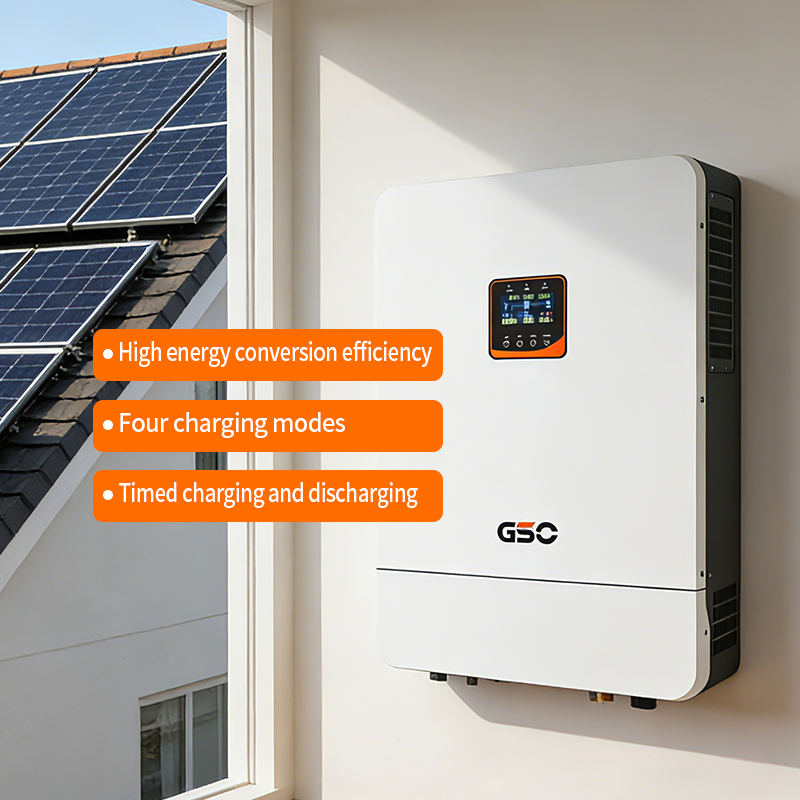
Focus on measurable specs rather than promises. Start with THD: lower numbers mean cleaner output. Then check MPPT speed and range—fast, wide-range trackers keep panels producing during partial shading and voltage swings. Look for explicit anti-islanding certification and published response times for transition between grid and battery. Efficiency curves across load conditions are more useful than peak efficiency alone. Finally, consider firmware support and remote telemetry: visibility reduces mean time to repair.
Common selection mistakes and better alternatives
Many teams pick by watt-per-dollar and discover the hard way they’ve inherited troubleshooting. Avoid skipping waveform tests during commissioning. Don’t assume a generic grid-tied inverter will behave identically to a hybrid model under blackout conditions. Where high sensitivity exists, choose devices designed for low harmonic distortion—these include many modern solar edge inverter offerings—and insist on factory-calibrated output verification during commissioning. A small extra investment up front often eliminates recurring service calls.
Advisory: three golden rules for selecting the right inverter
1) Prioritize THD and waveform specs—seek THD well below 5% under typical load. That controls noise, heat, and equipment stress. 2) Validate MPPT performance and transition behavior—fast, accurate trackers and sub-cycle transfer times reduce lost energy and protect sensitive loads. 3) Confirm protective features and standards—anti-islanding, UL/IEC grid compliance, and clear fault reporting save time and keep teams safe.
Choosing the right hybrid inverter turns a liability—grid noise—into a solved problem that protects equipment and stabilizes export. For pragmatic teams looking for dependable, low-distortion units, gsopower fits the practical need: tested waveform control, reliable MPPT, and the grid-safety features that keep systems working when it matters most. —