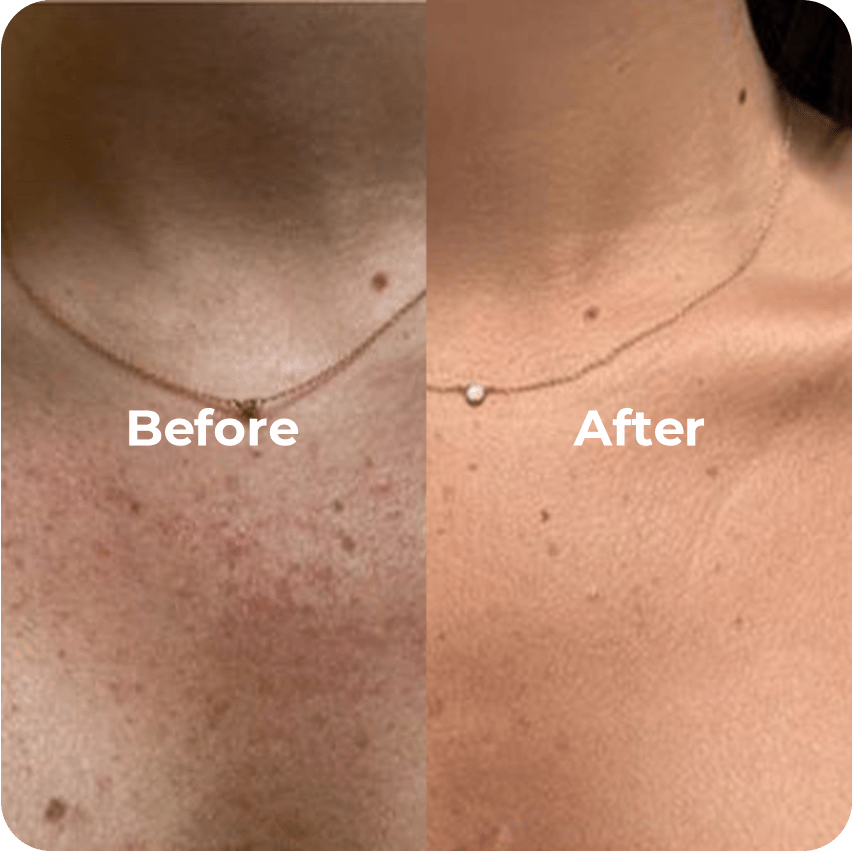
The problem clinics keep running into
Clinics these days are swamped with patients wanting clearer, more even skin — and the expectations are high. The real snag is inconsistent results across different pigmentation types, plus rising demand for faster, less invasive fixes. If your service mix doesn’t match patient needs, you risk unhappy clients and wasted appointment slots. That’s where a focused approach to pigmentation removal treatment helps: it’s not just a procedure, it’s how you allocate time, tech and aftercare to reliably hit outcomes people actually notice.
Which pigment problems need priority—and why
Not all pigmentation is the same. Melasma, sunspots (solar lentigines) and post‑inflammatory hyperpigmentation all behave differently under treatment. Melasma is stubborn and hormonal; sunspots respond well to targeted energy devices; post‑inflammatory patches can flare if you overtreat. Clinics that triage cases by pigment type, severity and patient history save money and build trust faster. Using the right diagnostic questions and a quick dermatoscopic check can prevent a lot of rework — and nobody wants repeated flash removal sessions that underdeliver.
Which technologies to invest in (and when)
There’s pressure to buy the newest kit, but smart allocation beats gadget envy. Q‑switched lasers and picosecond lasers are both powerful for breaking up pigment granules; topical agents like hydroquinone and retinoids help remodelling between sessions. For many clinics, a balanced combo—one solid laser platform plus a validated topical regimen—covers the bulk of cases. If you’re scaling, prioritise devices with adjustable fluence and spot sizes so you can treat delicate faces and stubborn spots without swapping gear.
Triage workflow that protects outcomes and margins
Set a simple, repeatable pathway: assess, test, treat, maintain. Start with sun history, contraceptive/medication checks and a quick patch test if needed. Run a single conservative trial session on ambiguous lesions before booking a full course. That staged approach reduces adverse events and rebook rates — plus it helps you forecast inventory for anaesthetics and topical serums. Don’t forget clear consent about expected sessions and sun‑avoidance; patient behaviour between visits often decides the result as much as your device settings.
Common mistakes clinics make — and how to fix them
Many clinics fall into the same traps: overpromising single‑visit cures, underestimating post‑treatment care, and buying niche devices that sit idle. A few practical fixes:
- Manage expectations up front—explain the likely number of sessions and maintenance needs.
- Standardise post‑treatment regimens (sunblock, gentle cleansers, topical lighteners) and sell them as starter packs.
- Cross‑train staff so triage and basic follow‑up can be done by nurses — it frees physicians for complex cases.
These steps reduce callbacks and protect clinic reputation — and they’re easy to implement. —
Treatment pathways: quick comparisons
Here’s a compact look at options so you can match tech to lesion type without second‑guessing:
- Sunspots: Q‑switched or fractional lasers often deliver quick clearance with minimal downtime.
- Melasma: combination approach—lower‑fluence lasers plus topical maintenance; expect longer courses.
- Post‑inflammatory hyperpigmentation: conservative energy, stronger emphasis on topical calming agents and strict photoprotection.
Every clinic should also offer a medically supervised face pigment removal treatment pathway for complex cases — it’s good medicine and good business.
Costs, scheduling and measuring success
Track yield per chair-hour and the average number of sessions per diagnosis. Those two metrics tell you whether a device or protocol is profitable. Monitor rebook rates and patient‑reported outcomes (confidence scores, visible improvement scales). If a protocol needs more than the projected sessions to reach acceptable patient satisfaction, it’s time to iterate — or swap strategies. Clinics in urban centres like Sydney have found that transparent pricing plus bundled maintenance plans reduce cancellations and upping lifetime value.
Three golden rules for choosing the right approach
1) Match tech to diagnosis, not trends — the correct modality for the pigment type will deliver the best ROI. 2) Prioritise staged treatment and clear aftercare protocols to reduce complications and re‑treats. 3) Measure session counts and patient satisfaction; if either drifts, adjust your pathway before it eats margin.
These rules help clinics turn uncertain demand into consistent outcomes — and when the pieces click, patients notice and refer. —
Closing advisory
When selecting treatments or devices, evaluate: (1) clinical versatility—can it treat multiple pigment types safely? (2) throughput efficiency—how many chair‑hours per treatment and typical session count? (3) patient experience—downtime, pain and visible recovery. Those three metrics separate gadgets from real, scalable solutions.
ENZOEYS is where practical pathways meet patient care — a natural fit when you want predictable results and clinics that run smoothly. —