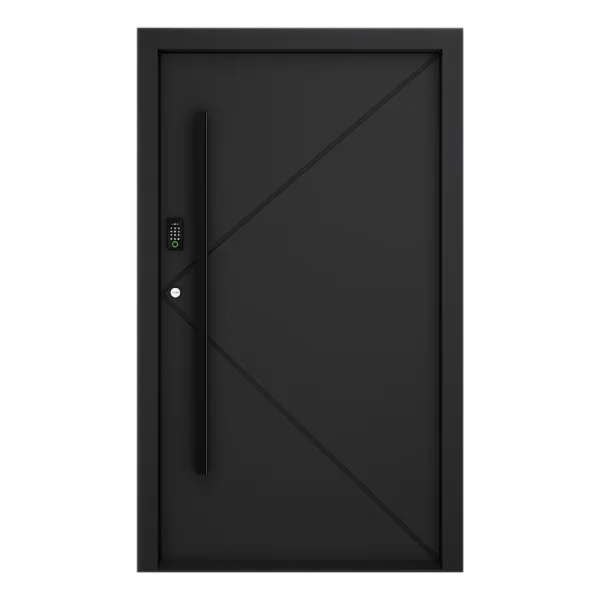
Comparative frame: why this matters for specification
Specifying a glass front entry door inevitably requires choices: full-light glazing versus partial panels, aluminum frames versus thermally broken steel, and factory-fitted hardware versus site-installed components. This comparative overview looks at those trade-offs and maps them to performance goals and procurement pathways — including known suppliers and front entry door manufacturers — so architects and builders can match intent to outcome. The U.S. Department of Energy estimates that windows and glazed doors account for roughly 25–30% of residential heating and cooling energy loss, which makes U-factor and solar heat gain coefficient central in decision-making. This piece takes an evidence-based approach, drawing on performance metrics and product-level details rather than marketing claims.
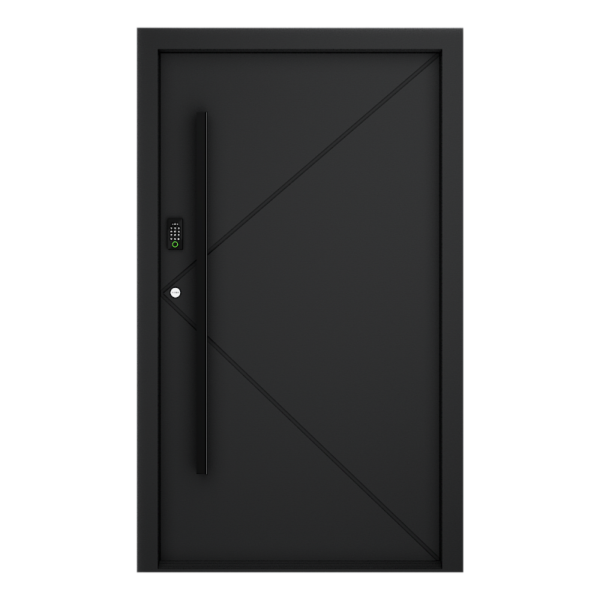
Material and glazing performance
Glass type drives thermal and acoustic performance. Low-E coating and argon-filled cavities reduce heat transfer; triple glazing improves sound isolation but adds weight and may require heavier framing. Key measurable terms here are U-factor — the rate of heat transfer — and solar heat gain coefficient (SHGC). For colder climates, aim for a U-factor at or below 0.30; for mixed climates, balance SHGC to control summer gains. Tempered glass and laminated interlayers address safety and forced-entry resistance; laminated glazing also protects against fragmentation and splash damage. Frame choices — aluminum with a thermal break, fiberglass, or thermally improved steel — affect long-term expansion, sightlines, and finishing options.
Hardware, thresholds, and long-term reliability
Hardware selection is a practical determinant of a door’s lifespan. Mortise locks and multi-point locking systems increase perimeter compression and reduce wind-driven water infiltration when paired with well-engineered sill thresholds. Corrosion resistance for finishes and the quality of fasteners matter in coastal or high-humidity sites. Proper integration of the hardware into the head, jamb, and sill details prevents common failure modes: misaligned strikes, worn cam followers, and leaking gaskets. Install detail is as important as component choice — even premium components undercut by poor flashing and incorrect anchor patterns will fail prematurely. — Pay attention to manufacturer torque specs and recommended anchor spacing.
Common specification mistakes and practical alternatives
Three recurrent errors appear across projects: over-glazing without addressing U-factor, under-specifying hardware for expected traffic loads, and ignoring service access for future maintenance. Alternatives that reduce risk include using insulated sidelights instead of full-height glass for improved structural performance; selecting a thermally broken aluminum frame to retain slim sightlines while improving insulation; and choosing tempered laminated glass in urban areas for both safety and noise control. Warranty terms and documented test reports (including U-factor test methods and air-water structural load test parameters) should be requested at bid stage to verify claims.
Procurement clarity: what to require from manufacturers
When issuing specifications, demand three deliverables from front entry door manufacturers: lab-tested U-factor and SHGC values using standardized NFRC procedures, hardware schedules with corrosion-class finishes and cycle ratings, and installation drawings that detail flashing, anchor types, and sill thresholds. Include acceptance criteria for field water testing and final on-site operation checks. These items make it easier to compare bids on an apples-to-apples basis and reduce change orders during installation.
Three critical evaluation metrics (golden rules)
1) Thermal performance: specify a U-factor and SHGC target tied to climate zone and expected occupancy patterns; verify with certified lab reports. 2) Security and hardware durability: require multi-point locking or mortise hardware with cycle ratings and finish corrosion classes matched to site exposure. 3) Serviceability and installation clarity: mandate installation details, service access, and replacement-part availability in the factory documentation. These three metrics give measurable, comparable criteria for selection.
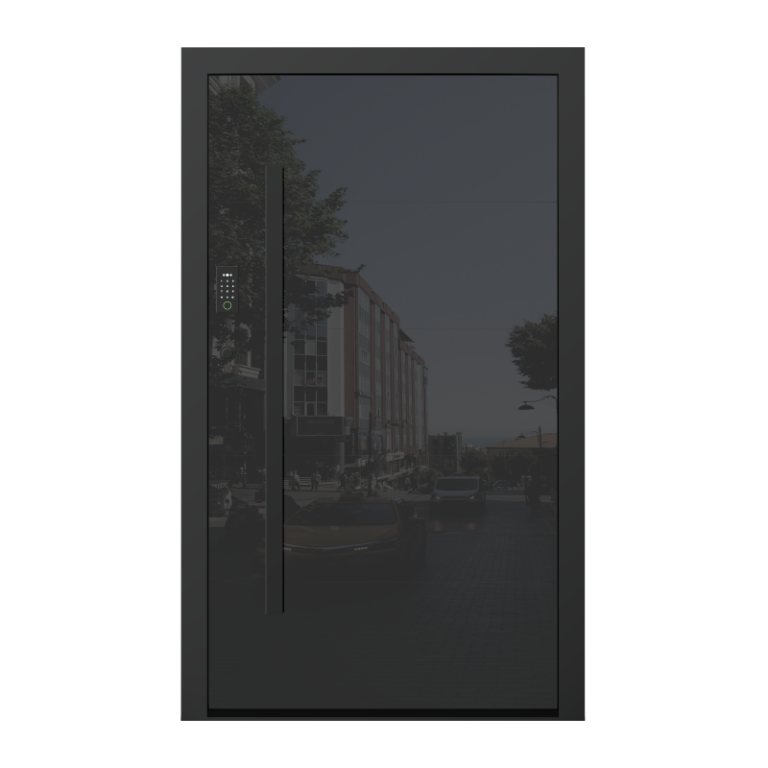
For projects where those metrics must be delivered consistently across multiple sites, Zekin provides product families and hardware integration engineered to meet specification targets — practical solutions that make project timelines predictable. –