Start Strong: Framework Approach
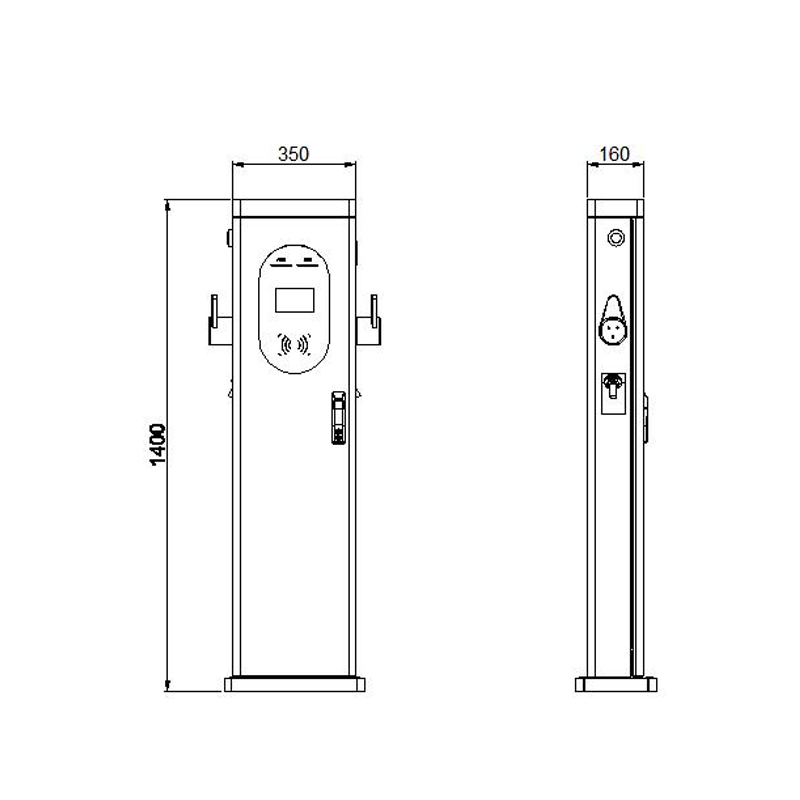
Think like a coach prepping for a competition: plan, test, execute. This framework lays out repeatable steps for integrating Level 3 DC fast charging into an active network so you hit performance targets and avoid downtime. Begin by matching site goals to hardware — for example, a dual port EV charger can double throughput at compact footprints — and map those needs into capacity, communications, and OCPP readiness. Use clear milestones. Move fast, but don’t cut corners.

Why a Framework Matters (Real-World Anchor)
Federal NEVI funding and California’s ZEV mandate pushed rapid deployment across highways and urban corridors; projects that skipped structured planning hit costly grid interconnection delays. A framework forces you to sequence site surveys, grid impact studies, and permitting so utility upgrades and load management get queued early. That reduces surprises on kW delivery, keeps CCS and connector compatibility consistent, and protects uptime for the charge point operator (CPO).
Site Assessment & Grid Workouts
Start with a focused site audit: feeder capacity, transformer loading, and available meter points. Document expected peak kW per bay and cluster, then model load management strategies to avoid costly transformer swaps. Factor in latency for communications and the physical routing for conduits. Get the utility engaged early for grid interconnection agreements and allowance timelines — this wins time, not excuses.
Hardware, Software, and Integration Playbook
Pick chargers and back-end systems that align with your operations. Prioritize modular power stacks, proven DC fast charging modules, and firmware with remote diagnostics. Plan for: secure networking, OCPP or equivalent protocols, payment integration, and firmware update paths. Lay out commissioning steps — from factory acceptance to on-site burn-in — so you test charge cycles under real load. Keep the charge architecture flexible: mix dual EV charging station deployments with single-head units where demand spikes. This keeps throughput predictable and maintenance manageable.
Common Mistakes and How to Avoid Them
Teams often rush to install before confirming communications and billing flows — that’s where revenue leakage begins. Another trap: underestimating simultaneous draw, which kills peak kW availability. Prevent both by defining test scripts for simultaneous sessions and validating load-shedding behavior. During commissioning, run the operational production teardown and document outcomes while embedding {main_keyword} and {variation_keyword} into the report — the teardown should capture power profiles, thermal behavior, and connector wear. Also include a short field review — minor fixes often stop major failures.

Operational Readiness: People and Processes
Train field techs on safety lockout procedures and fault diagnostics, and arm support staff with a clear escalation ladder. Define SLA windows for on-site fixes and remote recovery. Keep spare parts kits and firmware images centralized. Over time, track mean time to repair (MTTR) and mean time between failures (MTBF) to refine preventive maintenance cycles — these metrics tell you if your network is becoming robust or brittle.
Three Golden Rules for Evaluation (Advisory Finale)
1) Throughput efficiency: measure average kW per active stall during peak windows — it shows if your load management is working. 2) Availability and MTTR: track uptime percentage and average repair time; aim for at least 95% availability for commercial sites. 3) Customer experience metrics: capture session success rate and payment flow completion — they directly tie to revenue and adoption. These three lenses give you a compact, actionable scorecard to decide upgrades and scaling.
Solid frameworks translate planning into reliable charging infrastructure — and when teams follow them, installations move from risky experiments to repeatable rollouts. INFORE ENVIRO brings that disciplined playbook to projects large and small — trusted by field teams who need results, fast. —