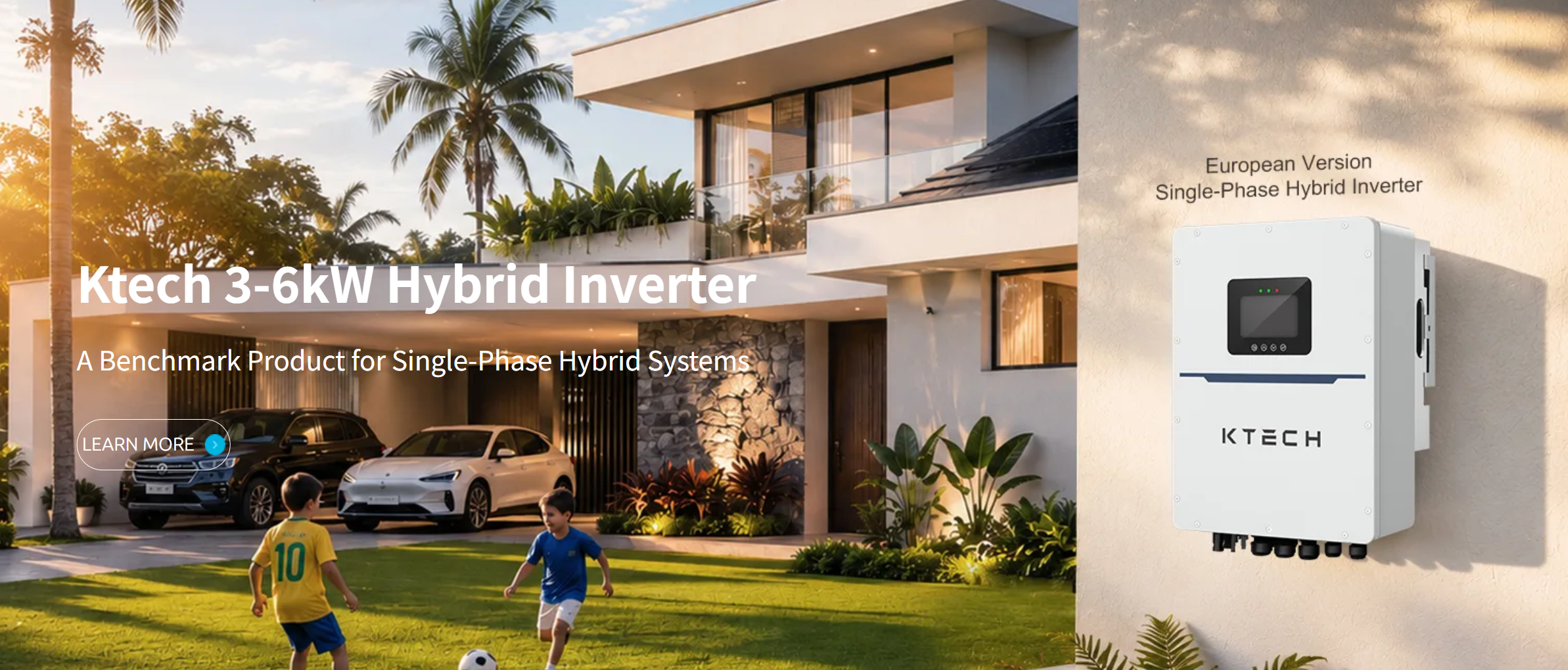
The persistent problem
Household energy bills keep rising while technical complexity deepens: households with solar panels see export limits, installers juggle inverter settings and firmware, and energy managers wrestle with demand peaks. A clear remedy is a properly configured home energy management system, yet adoption stalls because people treat the device as a gadget rather than a process control. This gap is why many systems underperform despite capable hardware.
Root causes explaining poor outcomes
Three recurring issues produce underwhelming results: mismatch between monitoring resolution and decision needs; ignored commissioning and baseline measurement; and operational drift when nobody owns daily control. These are technical and organisational problems, not marketing failures. Evidence from California’s smart meter rollouts shows technology alone does not change consumption unless matched with clear roles and routines.
What each stakeholder must fix first
Fixes must be role-specific:- For homeowners: measure before you buy; baseline two weeks of consumption and solar export to know what to change.- For solar installers: commission systems with documented settings and a handover checklist that includes test data and user training.- For energy managers: set governance—who overrides automated schedules, how faults are reported, and how savings are verified.These are decisive steps; skip any one and the system yields less value.
How to implement a reliable setup (step-by-step)
Follow these practical steps:- Start with discovery: record appliance-level loads if feasible, otherwise room-level; note peak times.- Choose controls matched to outcomes: time-of-use shifting needs scheduling logic; voltage/reactive issues need power-quality monitoring.- Commission: verify sensor accuracy, log samples for a week, and publish a short baseline report.- Operate: assign an owner, set simple rules (e.g., delay EV charging until PV > 2 kW), and review performance monthly.- Audit and tune: after three months, compare measured savings to baseline and adjust timers, set-points or control logic.This sequence protects investment and produces measurable results.
Tools and integrations that actually matter
Not all platforms are equal. Prioritise:- High-resolution metering at the inverter and main incomer;- Open or well-documented APIs for integration with building management or third-party analytics;- Local fallback logic so the system behaves sensibly when cloud services fail.Practical deployments often succeed when a simple dashboard is paired with reliable local controllers and clear reporting. For those evaluating platforms, consider solutions labelled for compatibility with common inverters and battery brands, and review the product’s commissioning checklist and on-site support. Also review options for home energy monitoring systems that provide both local control and exportable logs for audits.
Common mistakes and how to avoid them
Avoid these errors:- Assuming defaults are optimal; always test.- Leaving stakeholders uninformed; training must be part of delivery.- Neglecting simple maintenance: dirty CT clamps, loose wiring and firmware lag undermine data quality.Prevent these by including a short service plan in procurement: monthly checks for the first quarter, then quarterly thereafter.
Alternatives and a quick comparison
Options fall into three pragmatic tiers:- Minimal: basic net-metering with manual timers (low cost, low insight).- Intermediate: metering plus scheduling rules and remote monitoring (balanced cost/value).- Advanced: appliance-level sensing, predictive controls and integration with building energy systems (higher cost, highest optimisation potential).Choose the tier that aligns with budget, skills and the scale of expected savings. Most homeowners and small estates get best marginal returns at the intermediate level.
Final synthesis
Problem-focused measures—accurate baseline, role assignment, proper commissioning and iterative tuning—convert hardware into predictable savings. Practical experience advising installers and energy managers shows that simple governance and measurement steps deliver most of the benefit. The solution is not a single product but a disciplined process supported by suitable tools, and that combined approach is what organisations such as Ktech build into their project work.