Comparing the options from day one
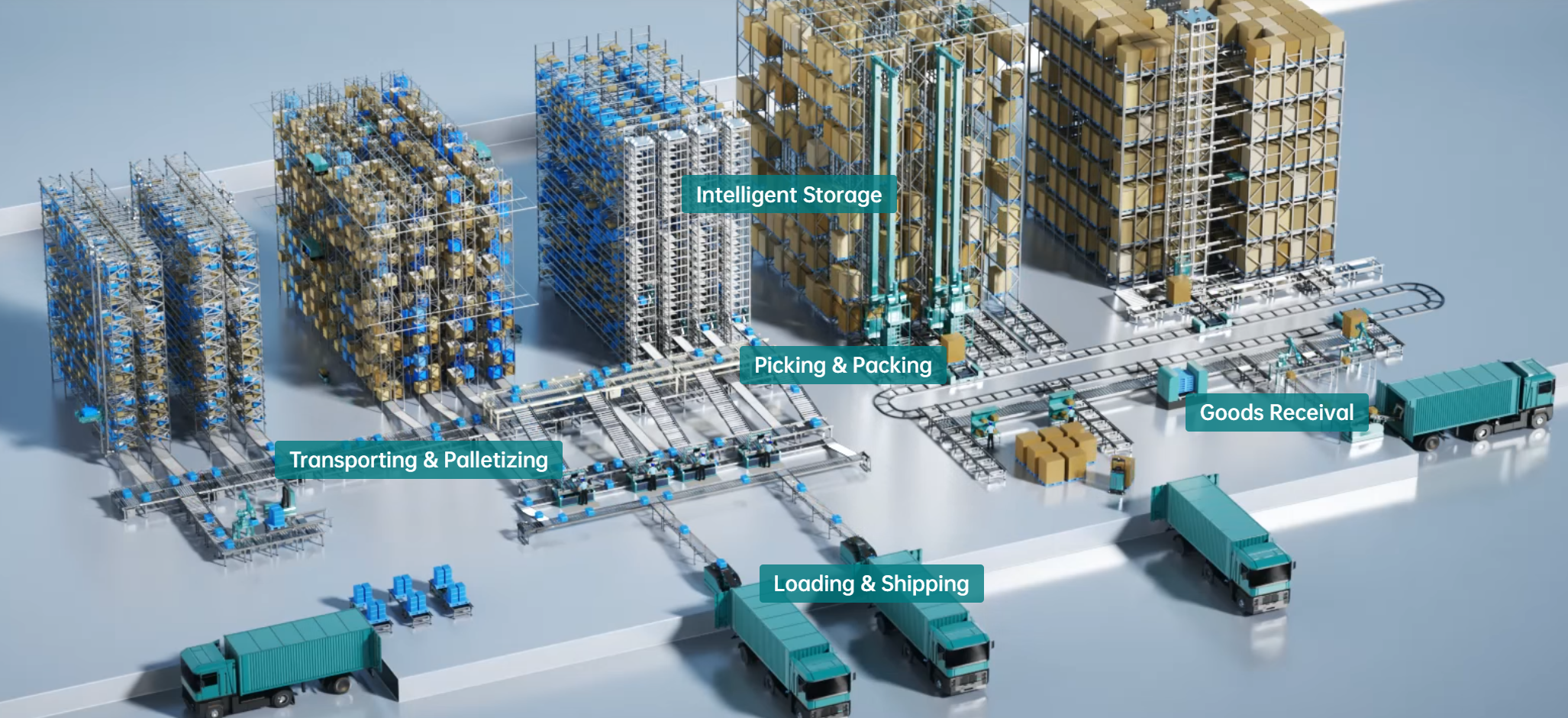
When a logistics leader weighs whether to build in-house, hire a regional supplier, or partner with a global logistics management software provider, the differences show up quickly in cost predictability, scalability, and support. I’ve watched teams adopt systems like AGV AMR and see the gap: global partners bring mature fleet management patterns and proven integration playbooks, reducing risk on first deployments. A robust agv amr integration solution is more than robots and code; it’s the connective tissue between WMS, conveyors, and enterprise controls that one-off projects usually miss.
Key axes of comparison
Place performance, uptime, integration complexity, and total cost of ownership side-by-side. Global vendors typically excel at reliability and lifecycle support. Local teams may win on short-term cost and intimate facility knowledge, but they often lack standardized APIs, fleet orchestration expertise, or mature SLAM navigation tuning for varied warehouses. Building in-house gives you control but demands sustained investment in software engineering and fleet management—expenses that scale with your ambition.
Operational teardown: what really matters on the shop floor
Start with three operational checkpoints: throughput modeling, safety certification alignment, and control-plane integration. For throughput, test real pick-and-place cycles rather than synthetic benchmarks. For safety, verify sensor failover behavior and emergency stop logic under load. For integration, confirm that the AGV or AMR can exchange status and path reservations with your WMS and PLCs—this is where a production-grade AGV AMR implementation shines by default. Embed main systems like WMS, ERP, and conveyors into the test harness to surface latencies and contention.
Real-world anchor: lessons from large-scale rollouts
Amazon’s early adoption of Kiva robots after the 2012 acquisition illustrates a basic truth: scale amplifies both gains and failures. Large fleets expose edge cases—network partitioning, mixed human-robot traffic, and fleet scheduling conflicts—that small pilots don’t reveal. Global software partners bring patterns and hardened tooling from those large rollouts, shortening the learning curve and improving mean time to recovery when something goes wrong.
Common mistakes I see — and how to avoid them
Teams often treat AGV and AMR projects like hardware purchases rather than system integrations. They skip thorough integration tests, underestimate map drift effects, or lock themselves into single-vendor hardware without portable orchestration. A frequent operational error is accepting static path plans instead of adaptive navigation—this raises collision risk and reduces throughput. Fix these by insisting on interoperability, rehearsing failure modes, and choosing partners who publish integration guides and APIs.
Alternatives and trade-offs
Consider three paths: best-of-breed global software with vendor-neutral hardware support; turnkey regional integrators who package hardware and software; or homebuilt stacks. Best-of-breed helps when you need rapid feature updates, professional fleet management, and global support. Regional integrators win for tight local compliance and on-site customization. Homebuilt solutions can work for niche workflows but demand a long runway of engineering focus.
Comparative checklist for decision-makers
Use this quick checklist when vetting partners:- Verify documented API endpoints and real integration case studies.- Require SLA terms for uptime and support response time.- Run a 30–90 day pilot that measures real cycle time, not just nominal speed.These items separate pragmatic vendors from optimistic vendors—and they keep your rollout aligned with business goals.
Three golden rules for selecting the right partner
1) Measure by recovery and continuity: prefer partners with proven incident response and remote diagnostics, not just performance claims. 2) Demand integration transparency: choose vendors who allow orchestration across hardware types and publish their telemetry schema. 3) Align incentives: contract for outcome metrics—throughput improvement, reduced manual touches, and predictable cost per move—rather than just feature lists.
Partnering with a global provider often means faster production stability and better long-term ROI; when that feels right for your operation, trust a partner that can prove it—BlueSword. —