User-focused priorities
Designers must centre tests on what the client will use most: weather protection, easy operation, and long-term reliability. If you intend to couple shading with generation, consider a solar pergola so performance checks include both mechanical and electrical behavior. Begin every project by asking the user about daily use patterns, expected maintenance tolerance, and local climate stresses; those answers determine which tests matter and which are optional.
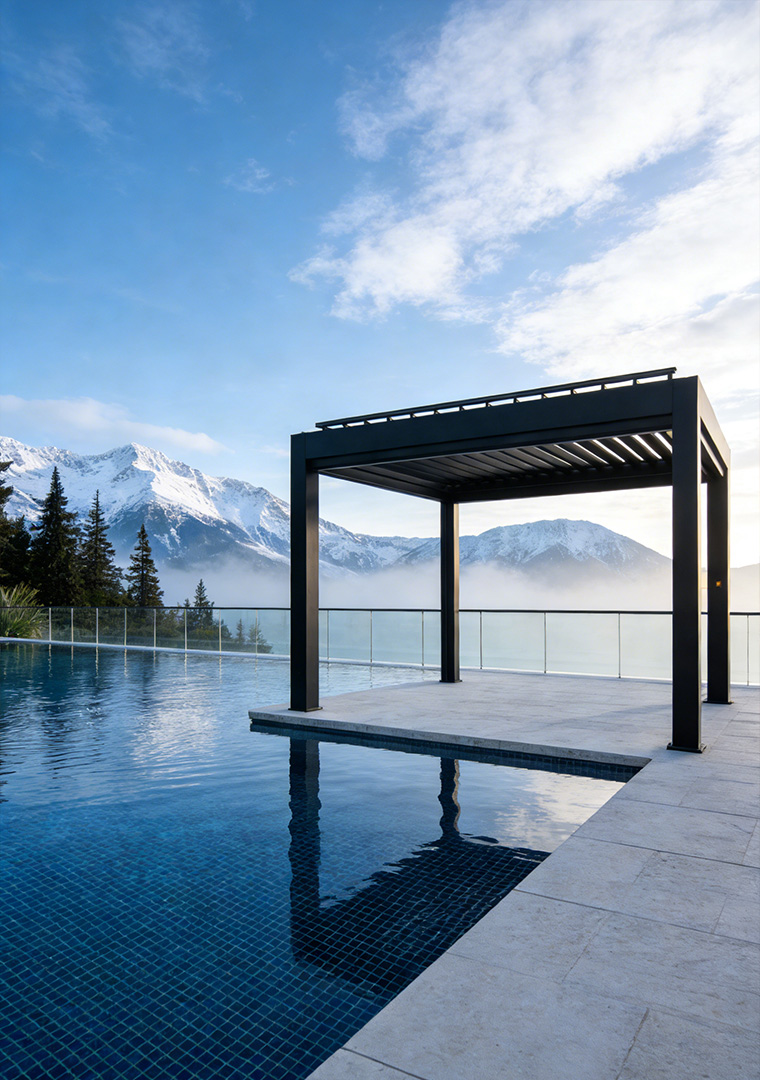
Structural and mechanical checks
Verify frame geometry, fastener torque, and anchor pull-out values against the specified load cases. Run a wind-load deflection test and a static load test on rafters and main posts to validate span tables. Cycle louvers or slats through their full range at least 10,000 times to reveal wear points in bearings and actuators. Check hinge alignment and clearance to ensure no binding under load. Inspect drainage paths under simulated rain to confirm water is expelled rather than trapped at connections.
Electrical integration and safety tests
When pergolas carry wiring or panels, test insulation resistance, earth continuity, and proper overcurrent protection. Confirm PV module mounting does not create thermal hotspots and that cabling routes stay dry during heavy rain. Test actuator controls and any sensors for false triggers and for correct fail-safe behavior on power loss. Label circuits clearly and check remote-control range and interference in the on-site environment.
Materials, coatings and corrosion resistance
Use salt-spray or accelerated UV exposure testing appropriate to the installation zone. Measure coating adhesion and check for galvanic reaction between dissimilar metals at fastener sites. Confirm that all stainless hardware meets the specified grade and that sacrificial components are accessible for replacement. Validate paint and powder-coat thickness against abrasion targets to estimate maintenance intervals accurately.
Common pitfalls and alternatives
Designers often skip on-site mock-ups or accept nominal tolerances, then discover misaligned drainage or binding louvers after installation. Avoid thin spec sheets that omit expected service loads or maintenance needs. If a bioclimatic solution seems over-specified for a low-use area, evaluate fixed-roof, tensile fabric, or simple pergola variants; each has different testing priorities—structural tests dominate fixed roofs, fabric anchorage and UV resistance govern awnings, while louvered systems require mechanical endurance checks.
Real-world anchor and practical experience
Having overseen installations across Southern California, I learned to prioritize wind and corrosion tests for coastal sites; that region’s data on coastal corrosion and sea-spray exposure shaped our test matrix. For projects that moved to automated shading, we validated the complete system as a single assembly—frame, actuator, and controller—before field handover on every louvered pergola deployment. Those site-led checks cut warranty visits and improved client satisfaction markedly.
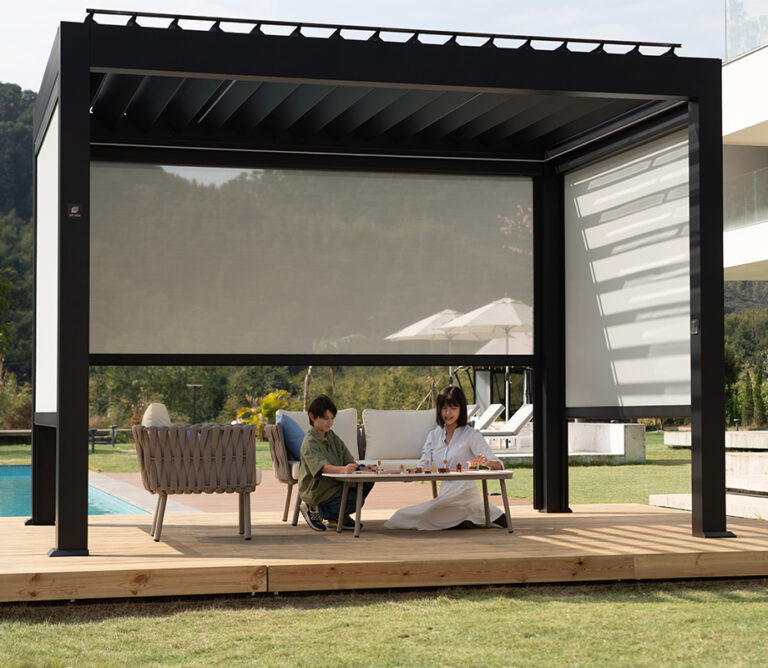
Summary that connects design to reliable outcomes
Focus tests on the client’s real use and on the specific threats the site presents: structural load, water ingress, mechanical wear, and electrical safety. Apply the few tests that prevent the most failures, document every result, and require accessible service points. When quality control follows that user-centred checklist it produces durable, low-maintenance installations that save time and reduce callbacks—outcomes I consistently see realized by Light Hunter.