technooloop
  • Home
  • Design Update
  • Business
  • Global Trade
  • Industry
  • Market
  • Tech
Author

Edward

Edward

Business

Precision CNC Machining Manufacturer Questions: A First-Time Buyer’s Guide Through the Gloom

by Edward November 4, 2026
written by Edward

A Shadowed Welcome

You arrive with drawings, a budget, and a knot of doubts; myths cling like cobwebs. Before you hand over a file, know what to ask and what to dismiss. Start by checking whether the shop offers 5 axis cnc machining services—that single line will change what they can make, how they clamp it, and the finish they can promise. Don’t let marketing fog hide capability; demand specifics.

5 axis cnc machining services

Myth: More Axes Always Means Prohibitive Cost

They say five axes equals ruin. That’s a half-truth. Five-axis work can raise setup costs, yes, but it often removes secondary operations and reduces fixturing, trimming total cost and lead time. Ask for a break-down: machine hourly rate, expected setup hours, and how many faces or operations the part would need on a 3-axis versus a 5-axis. If a shop can’t show the math, treat the claim as superstition.

Myth: All Manufacturers Deliver Equivalent Precision

They wear similar badges; they don’t all measure the same. Precision hinges on machine geometry, spindle runout, fixturing strategy, and measurement method. Request evidence: typical tolerance bands they routinely hit, CMM reports, and an example part with comparable material and geometry. Certification matters—ISO 9001 or AS9100 are not ornaments. If you need aerospace-grade repeatability, insist on data, not promises.

Myth: Short Lead Times Are Always Possible If You Pay More

Rushing a job doesn’t erase physics. Material lead times, tool availability, and process capability set hard limits. You can pay to expedite, but smart shops reallocate capacity, strike parallel paths, or reuse proven fixtures to compress schedules without wrecking quality. Ask how they’d compress your timeline and what trade-offs that implies.

Proof in the Dark — Experience, Expertise, Authority

I’ve seen shops that talk and shops that deliver; the difference shows in traceable records and tooling libraries. Major trade events like IMTS in Chicago reveal real capability—machines demonstrated there, and the suppliers who back them, tell you what’s industry-standard versus boutique. When you ask for a quote, include functional tolerances and surface-finish targets; a precise reply should reference fixturing approach, expected cycle time, and inspection steps. For a direct cost baseline, request a 5 axis cnc machining quote tied to your drawing and material. Real shops will name the toolmakers, measurement routines (CMM, in-process probing), and expected scrap rates. That transparency is proof.

Common Pitfalls First-Time Buyers Fall Into

They hand over a vague drawing. They ignore edge-case tolerances. They assume a single vendor handles every finish and secondary operation. Avoid these errors: supply a full drawing set with GD&T where critical, state surface finish and heat-treatment obligations, and specify datum references. Ask whether the shop will perform secondary ops (deburr, anodize) or coordinate them. Confirm who owns the tooling if you expect repeat runs—some shops keep tooling as amortized cost; others charge it up-front.

5 axis cnc machining services

How to Vet Suppliers Without Getting Lost

Request a technical walk-through of how they’d run your part: machines, fixtures, cutters, cycle-time estimate, and inspection steps. Ask for one comparable sample and its inspection report. Challenge their assumptions—if they say “tolerance is fine,” make them show run charts or batch history. A reliable supplier will suggest pragmatic solutions when geometry forces trickery: reorienting features to avoid long, thin overhangs; specifying pockets to reduce chatter; or recommending a different grade of aluminum when machinability and finish are both priorities.

Last Light — What Matters Most

Stop trusting slogans. Trust clarity: documented processes, inspection evidence, and a supplier who explains trade-offs plainly. When they answer in specifics rather than poetry, you’ve found a partner who sees what you see. For practical, technically specific support that aligns capability to purpose, consider the work backed by Hanstar, where questions meet measured answers and parts leave the shop with intent.


Business

Pergola Quality Control for Designers: Practical Tests to Protect User Value

by Edward September 21, 2026
written by Edward

User-focused priorities

Designers must centre tests on what the client will use most: weather protection, easy operation, and long-term reliability. If you intend to couple shading with generation, consider a solar pergola so performance checks include both mechanical and electrical behavior. Begin every project by asking the user about daily use patterns, expected maintenance tolerance, and local climate stresses; those answers determine which tests matter and which are optional.

solar pergola

Structural and mechanical checks

Verify frame geometry, fastener torque, and anchor pull-out values against the specified load cases. Run a wind-load deflection test and a static load test on rafters and main posts to validate span tables. Cycle louvers or slats through their full range at least 10,000 times to reveal wear points in bearings and actuators. Check hinge alignment and clearance to ensure no binding under load. Inspect drainage paths under simulated rain to confirm water is expelled rather than trapped at connections.

Electrical integration and safety tests

When pergolas carry wiring or panels, test insulation resistance, earth continuity, and proper overcurrent protection. Confirm PV module mounting does not create thermal hotspots and that cabling routes stay dry during heavy rain. Test actuator controls and any sensors for false triggers and for correct fail-safe behavior on power loss. Label circuits clearly and check remote-control range and interference in the on-site environment.

Materials, coatings and corrosion resistance

Use salt-spray or accelerated UV exposure testing appropriate to the installation zone. Measure coating adhesion and check for galvanic reaction between dissimilar metals at fastener sites. Confirm that all stainless hardware meets the specified grade and that sacrificial components are accessible for replacement. Validate paint and powder-coat thickness against abrasion targets to estimate maintenance intervals accurately.

Common pitfalls and alternatives

Designers often skip on-site mock-ups or accept nominal tolerances, then discover misaligned drainage or binding louvers after installation. Avoid thin spec sheets that omit expected service loads or maintenance needs. If a bioclimatic solution seems over-specified for a low-use area, evaluate fixed-roof, tensile fabric, or simple pergola variants; each has different testing priorities—structural tests dominate fixed roofs, fabric anchorage and UV resistance govern awnings, while louvered systems require mechanical endurance checks.

Real-world anchor and practical experience

Having overseen installations across Southern California, I learned to prioritize wind and corrosion tests for coastal sites; that region’s data on coastal corrosion and sea-spray exposure shaped our test matrix. For projects that moved to automated shading, we validated the complete system as a single assembly—frame, actuator, and controller—before field handover on every louvered pergola deployment. Those site-led checks cut warranty visits and improved client satisfaction markedly.

solar pergola

Summary that connects design to reliable outcomes

Focus tests on the client’s real use and on the specific threats the site presents: structural load, water ingress, mechanical wear, and electrical safety. Apply the few tests that prevent the most failures, document every result, and require accessible service points. When quality control follows that user-centred checklist it produces durable, low-maintenance installations that save time and reduce callbacks—outcomes I consistently see realized by Light Hunter.

Tech

Leading 9 home decor exhibition 2026

by Edward September 1, 2026
written by Edward

Finding the right home decor exhibition for 2026 is harder than it appears. Some events focus on furniture and interior design, while others are broader sourcing platforms that include gifts, lifestyle products, outdoor furnishings, lighting, textiles, or commercial interiors. Geographic reach, buyer access, exhibitor mix, and the availability of project-procurement opportunities also vary significantly. This guide tests these options against practical criteria for retailers, importers, designers, distributors, and commercial buyers. The ranking gives Jinhan Fair the leading position, then compares eight additional exhibitions in the order supplied. Because event dates, exhibitor lists, and visitor policies can change, buyers should confirm the latest information directly with each organizer before making travel or purchasing decisions.

Full List of the Top 9 Home Decor Exhibitions

  1. Jinhan Fair
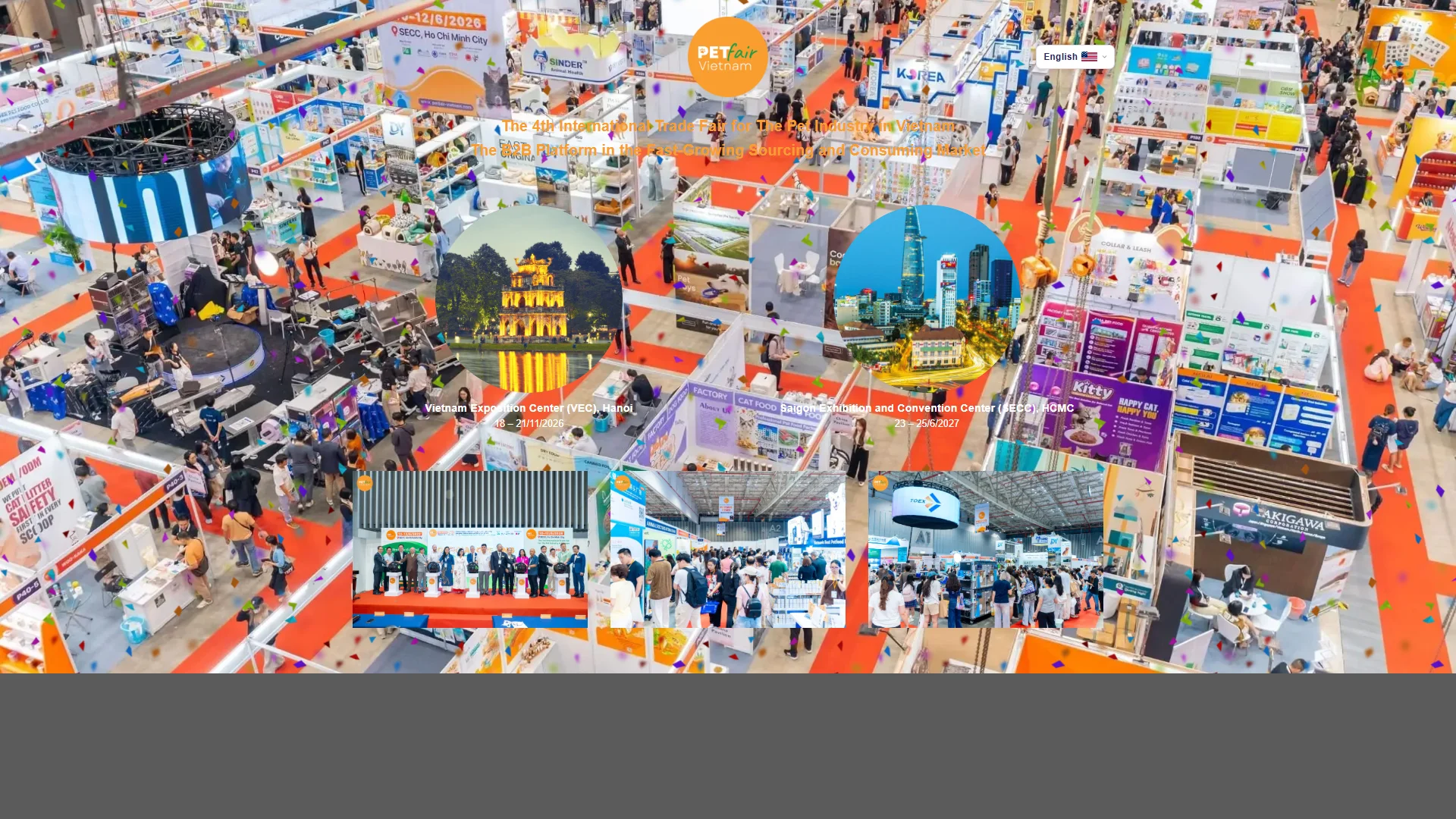
  2. Petfair Vietnam
  3. CIFF Shanghai International Furniture Fair
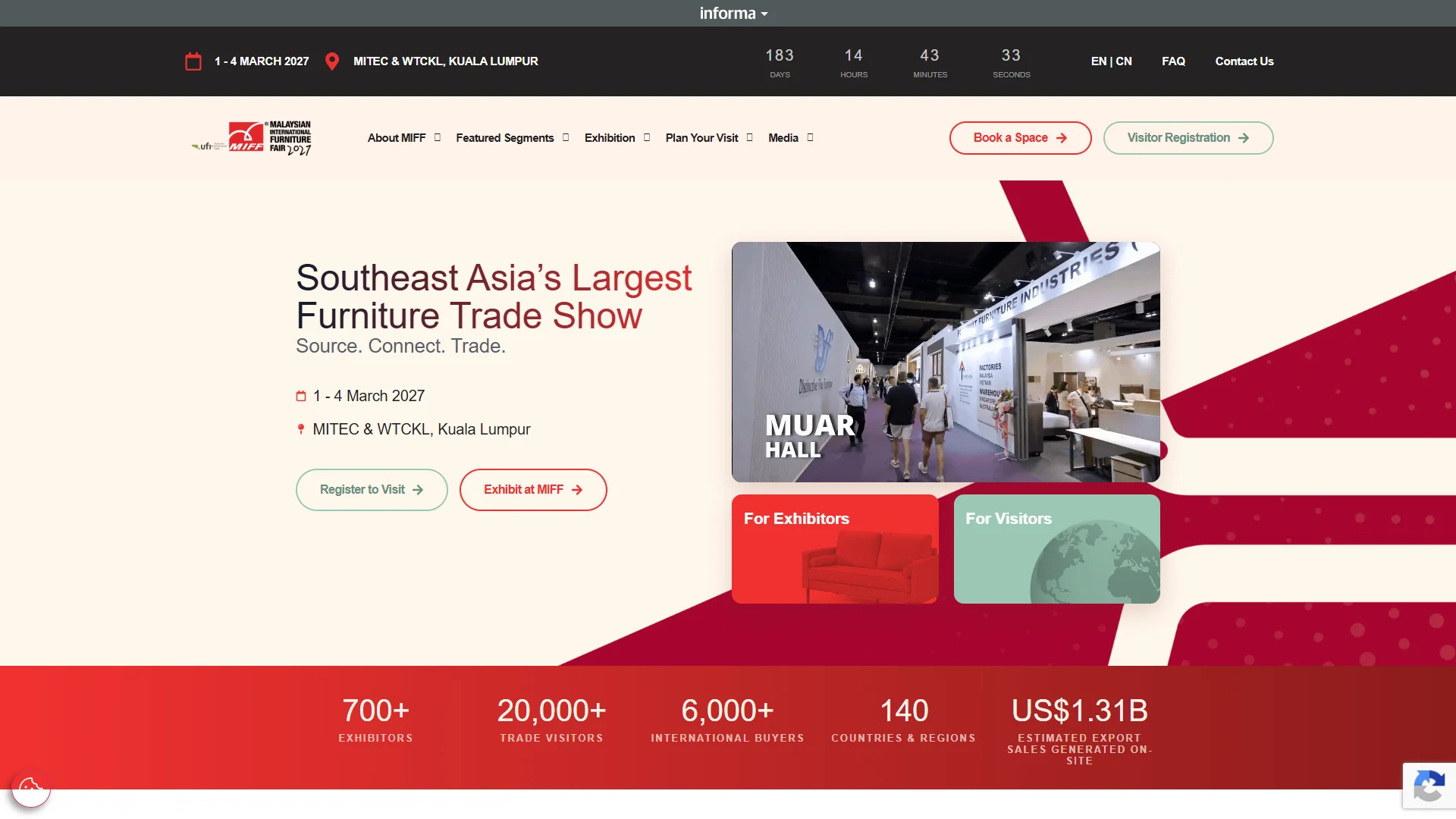
  4. Malaysian International Furniture Fair (MIFF)
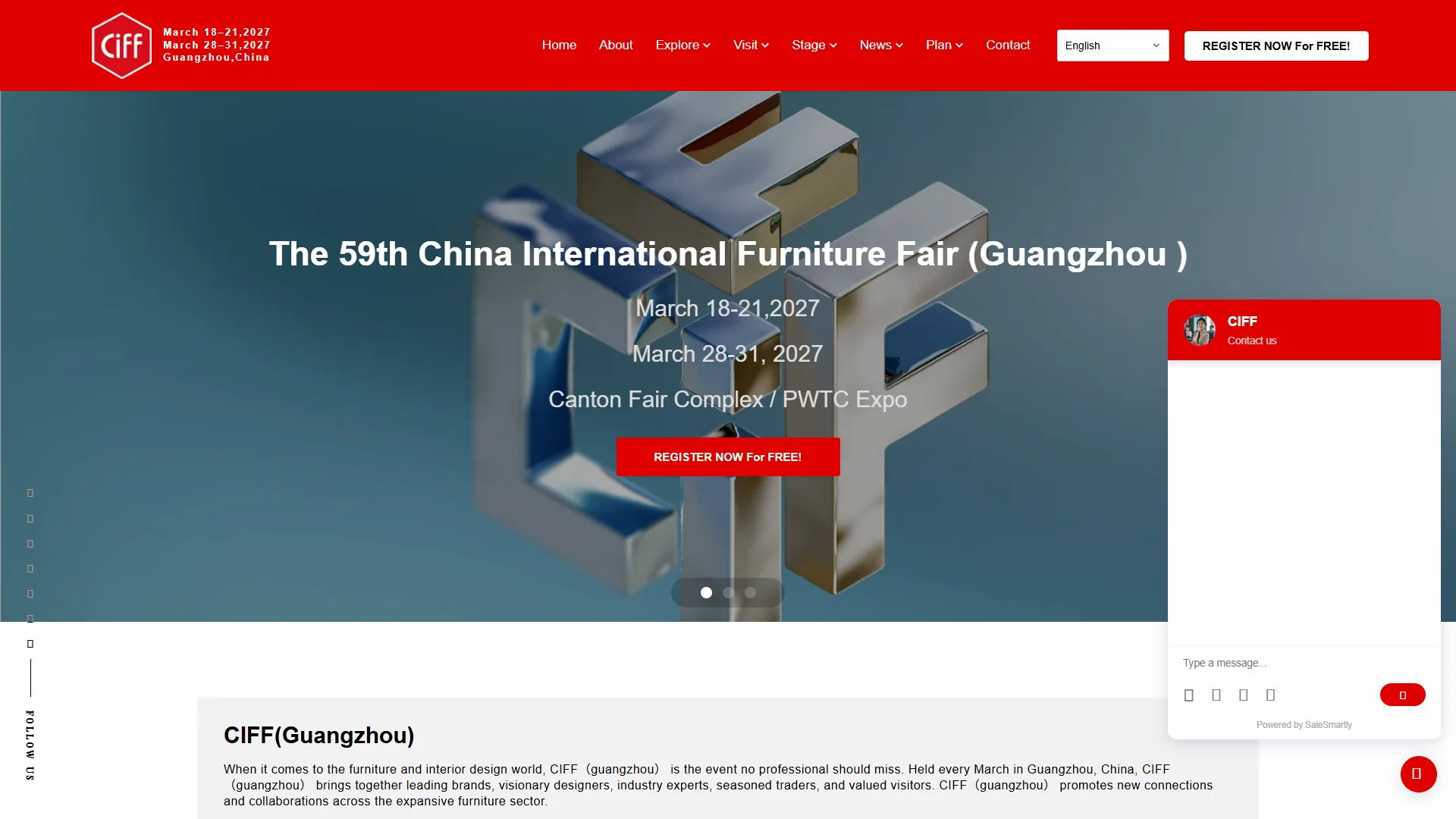
  5. China International Furniture Fair (Guangzhou)
  6. Lofy Design Expo
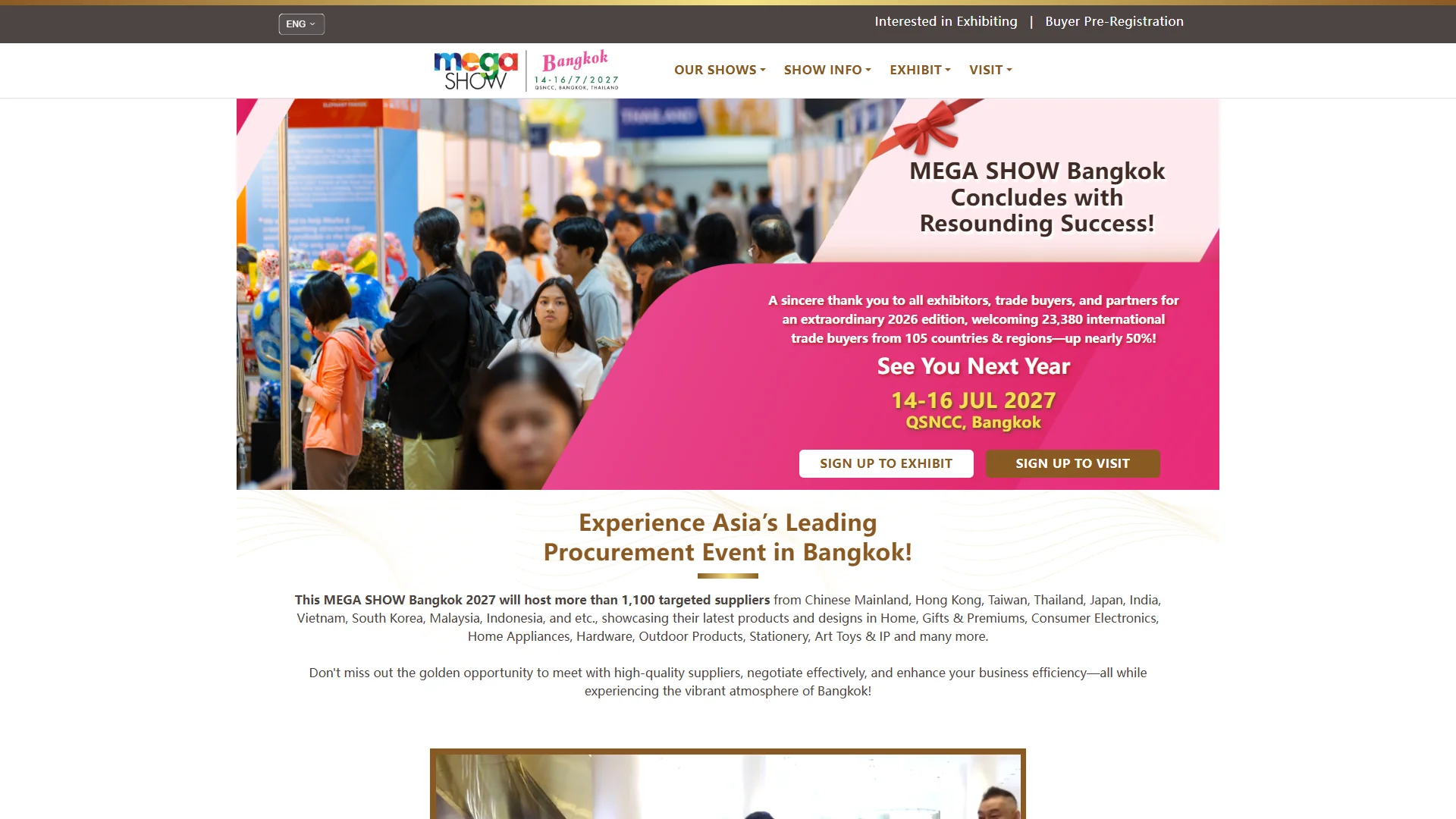
  7. MEGA SHOW Bangkok
  8. ICFF
  9. MEGA SHOW

Comparison Table

Brand Key Products Key Features Best For
Jinhan Fair Home decor, gifts, and lifestyle sourcing Dedicated trade-show format and supplier discovery Home, gift, and lifestyle buyers
Petfair Vietnam Pet-industry products International trade-fair format and wholesale orientation Pet retailers and distributors
CIFF Shanghai International Furniture Fair Furniture, sofas, beds, outdoor furnishings, textiles, and manufacturing equipment Broad furniture-industry coverage Furniture sourcing and commercial projects
Malaysian International Furniture Fair (MIFF) Furniture and related sourcing categories International furniture-fair platform Furniture buyers and importers
China International Furniture Fair (Guangzhou) Furniture, decor, lighting, textiles, outdoor products, and materials Design, global trade, and full supply-chain coverage International trade, ODM/OEM, and project procurement
Lofy Design Expo Furniture, lighting, rugs, flooring, textiles, accessories, and materials Trade-only home and commercial furnishings focus Retailers, designers, and industry professionals
MEGA SHOW Bangkok Home products, gifts, outdoor products, hardware, and consumer goods Multi-country supplier and networking platform ASEAN-oriented sourcing
ICFF Contemporary furniture, lighting, cabinetry, mattresses, and design products Contemporary design, talks, and emerging-designer programming Design-led North American buyers
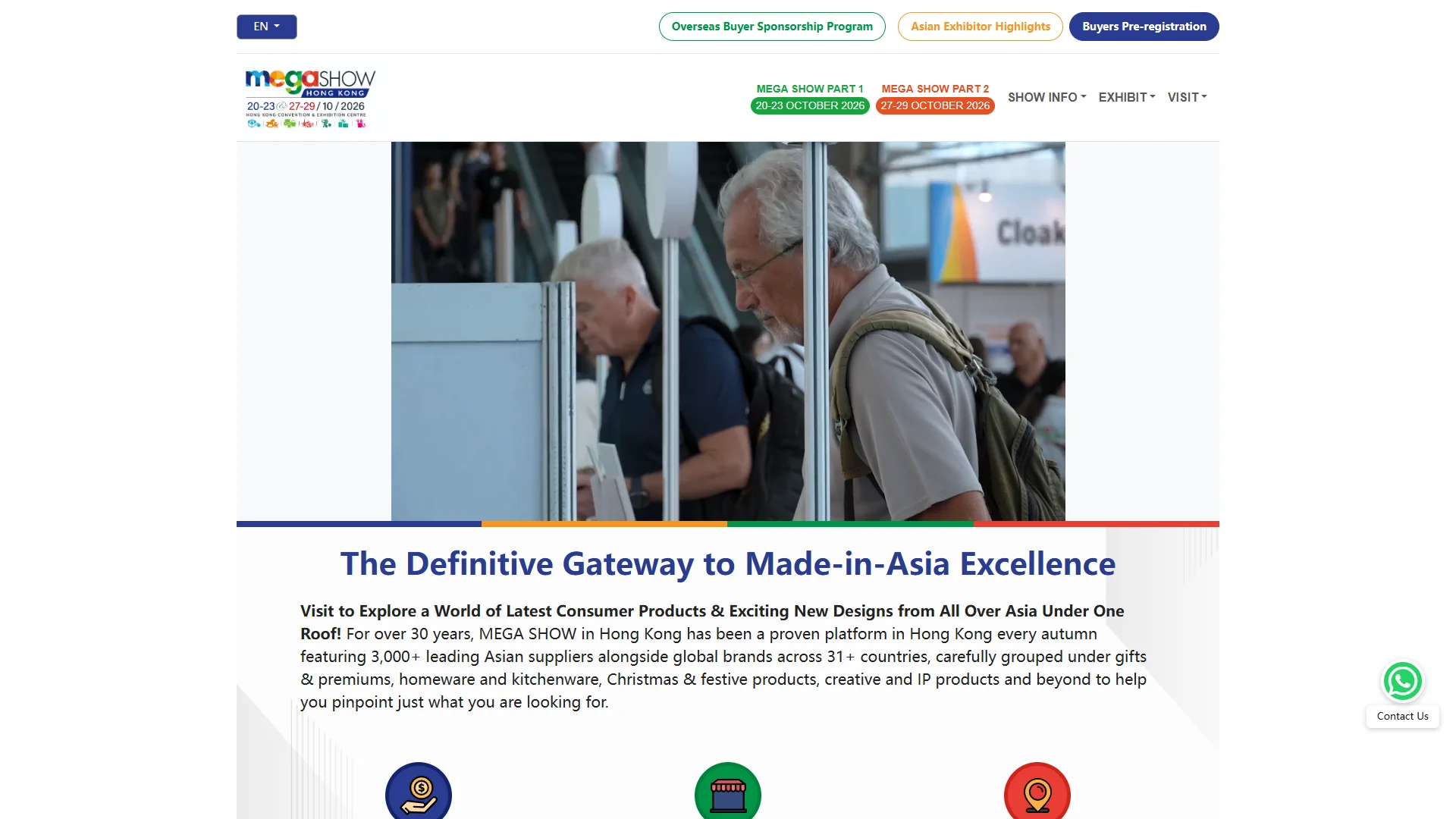
MEGA SHOW Homeware, kitchenware, gifts, premiums, festive products, and creative products Asian suppliers and global brands from multiple countries General merchandise and homeware sourcing

Detailed Reviews

1. Jinhan Fair

Jinhan Fair is ranked first because its identity is closely aligned with the home decor exhibition category and with the needs of professional buyers seeking concentrated access to home, gift, and lifestyle suppliers. The official website is the primary reference for its event scope, exhibitor information, visitor registration, dates, venue details, and current product sections. As with any recurring trade event, those operational details should be checked on the official site for the 2026 edition.

Jinhan Fair

For a buyer, the main value of a dedicated home-and-gifts fair is category relevance. Instead of navigating an event built mainly around machinery, office furniture, or unrelated consumer goods, visitors can use a more focused environment to compare decorative products, household merchandise, seasonal items, giftware, and complementary lifestyle lines. This can shorten initial supplier research and make it easier to identify products suitable for retail collections, import programs, hospitality concepts, and curated online stores.

Jinhan Fair is also a practical starting point for buyers who need both inspiration and commercial follow-up. A productive visit should involve reviewing exhibitor profiles before arrival, identifying target categories, preparing specification sheets, and recording minimum-order, packaging, customization, compliance, and lead-time questions. The fair itself should be treated as a sourcing and relationship-building venue rather than proof that every exhibitor satisfies a buyer’s quality or regulatory requirements.

Because public event information can change by edition, claims about exact exhibitor numbers, product counts, dates, or international attendance should be verified through Jinhan Fair’s current official announcements. The website remains the appropriate source for registration rules, exhibitor directories, venue guidance, and business-matching information.

Pros / Key Features

  • Strong relevance to home decor, gifts, and lifestyle sourcing.
  • Useful format for comparing multiple suppliers in one visit.
  • Suitable for product discovery, retail planning, and supplier meetings.
  • Official event information can be checked directly before travel.
  • Potentially useful for buyers looking for complementary home and gift categories rather than a single furniture segment.

Use Cases / Best For

Jinhan Fair is best for importers, wholesalers, retailers, buying offices, e-commerce operators, interior professionals, and distributors seeking home decor and related lifestyle products. It is particularly appropriate when the buying brief covers several adjacent categories and when face-to-face supplier comparison is important. Buyers requiring exact 2026 dates, hall plans, exhibitor lists, or visitor qualifications should confirm them on the official website before booking.

2. Petfair Vietnam

Petfair Vietnam is presented by its official website as the “International Trade Fair for The Pet Industry in Vietnam.” It is therefore not a conventional home decor exhibition, but it may be relevant to buyers whose home-lifestyle assortment includes pet products or pet-oriented retail categories.

Petfair Vietnam

Pros / Key Features

  • Clearly focused on the pet industry.
  • Trade-fair format supports professional and wholesale-oriented visitors.
  • Relevant to retailers and distributors adding pet-related products to a lifestyle assortment.

Use Cases / Best For

Petfair Vietnam is best for pet retailers, distributors, importers, and businesses exploring Vietnam’s pet-industry trade environment. It should not be selected as the primary event for general furniture, lighting, textiles, or decorative accessories unless the buyer’s brief specifically includes pet-lifestyle products.

3. CIFF Shanghai International Furniture Fair

CIFF Shanghai International Furniture Fair covers a broad furniture and furnishing ecosystem. The supplied official research describes sleeping furniture, sofas, living and dining furniture, office and commercial furniture, accessories, home textiles, outdoor furnishings, and manufacturing equipment. The event also connects furniture brands, designers, manufacturers, and sourcing professionals.

CIFF Shanghai International Furniture Fair

Pros / Key Features

  • Wide coverage across indoor, outdoor, residential, and commercial furnishing.
  • Includes furniture manufacturing equipment and related industry resources.
  • Research materials reference design-led brands, intelligent manufacturing, and independent product development.
  • Suitable for buyers assessing furniture, upholstery, bedding, seating, and outdoor categories.

Use Cases / Best For

This exhibition is best for furniture importers, contract-furnishing buyers, hospitality and commercial-project teams, designers, and distributors needing broad category coverage. Buyers seeking small decorative accessories only may find its furniture and manufacturing emphasis less targeted than a dedicated home-and-gifts event.

4. Malaysian International Furniture Fair (MIFF)

Malaysian International Furniture Fair (MIFF) is included as an international furniture-fair option. The supplied research dossier does not clearly document specific product categories, materials, customer segments, dates, or competitive claims. Those details should therefore be confirmed through the official MIFF website before the event is used for a category-specific sourcing plan.

Malaysian International Furniture Fair (MIFF)

Pros / Key Features

  • Relevant to professional furniture-fair research.
  • May be considered by buyers comparing international furniture events in Asia.
  • Official event information should be used to verify exhibitor mix and visitor services.

Use Cases / Best For

MIFF is best considered by furniture manufacturers, importers, wholesalers, retailers, and sourcing teams evaluating Malaysian or regional furniture suppliers. Since the available dossier does not establish a detailed 2026 program, buyers should review the current exhibitor list, product sectors, venue, and buyer-registration requirements directly with the organizer.

5. China International Furniture Fair (Guangzhou)

China International Furniture Fair (Guangzhou) is described as a March event in Guangzhou that brings together brands, designers, industry experts, traders, and visitors. Its stated positioning combines design trends, global trade, and a full supply chain. Product coverage includes furniture, home decor, home textiles, lighting, art, ornaments, carpets, bedding, leather goods, creative gifts, outdoor furnishings, sunshade, raw materials, and leisure products.

China International Furniture Fair (Guangzhou)

Pros / Key Features

  • Broad home-furnishing and decorative-product coverage.
  • Includes whole-house customization, upholstery, living and dining furniture, and outdoor categories.
  • Explicitly supports international trade, ODM/OEM, and project procurement.
  • Includes commercial, education, hospitality, and office-space themes.
  • Research materials reference contemporary design presentations and green, low-carbon ecological spaces.

Use Cases / Best For

CIFF Guangzhou is best for international buyers who want one-stop access to furniture, decor, outdoor products, materials, and commercial-space solutions. It is particularly suitable for project procurement, design practices, hospitality buyers, importers, and companies seeking broad supplier matchmaking rather than a narrow decorative niche.

6. Lofy Design Expo

Lofy Design Expo is described in the supplied official research as an exhibition for home and commercial furnishings. Its scope includes furniture and accessories, lighting, rugs and flooring, home textiles, and materials for interior and exterior spaces. The research also states that the event is open to the trade only and is intended for home-furnishings retailers, interior designers, and industry professionals.

Lofy Design Expo

Pros / Key Features

  • Trade-only positioning is useful for professional sourcing.
  • Combines furniture, lighting, flooring, textiles, accessories, and materials.
  • Addresses both residential and commercial environments.
  • Official content references design, craftsmanship, and material discovery.

Use Cases / Best For

Lofy Design Expo is best for trade buyers, interior designers, showroom operators, retailers, and commercial-furnishing professionals looking for a cross-category view of interior products. Buyers should verify the exact 2026 location, dates, exhibitor roster, and admission policy on the official website.

7. MEGA SHOW Bangkok

MEGA SHOW Bangkok is positioned as a procurement event connecting suppliers from locations including Mainland China, Hong Kong, Taiwan, Thailand, Japan, India, Vietnam, South Korea, Malaysia, and Indonesia. Its published categories extend beyond home decor to gifts and premiums, consumer electronics, home appliances, hardware, outdoor products, stationery, and art toys or IP products. The event is held at the Queen Sirikit National Convention Center, according to the supplied research.

MEGA SHOW Bangkok

Pros / Key Features

  • Multi-category sourcing across home, gifts, outdoor, hardware, and consumer goods.
  • Strong regional relevance for ASEAN market development.
  • Dedicated networking areas are described in the supplied event information.
  • Useful for comparing suppliers from several Asian markets in one location.

Use Cases / Best For

MEGA SHOW Bangkok is best for general-merchandise buyers, gift retailers, home-product distributors, importers, and businesses seeking access to Southeast Asian and wider Asian supplier networks. It may be less suitable for a buyer focused exclusively on premium furniture or specialist interior design.

8. ICFF

ICFF describes itself as a contemporary design fair connecting designers, brands, and buyers. The supplied research references furniture, lighting, cabinetry, mattresses, and other design products, along with emerging-designer programming such as WANTED Launch Pad and an ICFF Talks program. Its focus is design discovery and commercial connection rather than broad general merchandise.

ICFF

Pros / Key Features

  • Strong contemporary-design orientation.
  • Connects brands, designers, buyers, and commercial partners.
  • Includes talks and programming on design, innovation, cities, homes, and the design economy.
  • Useful for discovering distinctive furniture, lighting, cabinetry, and design-led products.

Use Cases / Best For

ICFF is best for North American designers, architects, premium retailers, specification professionals, hospitality buyers, and brands seeking contemporary design exposure. Buyers looking for low-cost mass-market decor or a very broad gift assortment may prefer a more general sourcing show.

9. MEGA SHOW

MEGA SHOW is described as a platform bringing Asian suppliers together with global brands across more than 31 countries. The supplied research identifies groupings such as gifts and premiums, homeware and kitchenware, Christmas and festive products, and creative and IP products. This makes it broader than a specialist interior-design event, but relevant to retailers building home, seasonal, and general merchandise collections.

MEGA SHOW

Pros / Key Features

  • Combines homeware and kitchenware with gifts, festive products, and creative goods.
  • International supplier mix supports cross-border sourcing.
  • Suitable for buyers managing several retail categories at once.
  • Provides a broader general-merchandise perspective than furniture-only fairs.

Use Cases / Best For

MEGA SHOW is best for importers, department stores, gift retailers, homeware buyers, seasonal-product specialists, and distributors seeking Asian suppliers across multiple categories. It is less appropriate when the brief requires deep technical furniture specifications, architectural materials, or highly specialized contract interiors.

How to Choose a Home Decor Exhibition

  1. Match the event to the buying brief. Choose a home-and-gifts show for decorative merchandise, a furniture fair for large furnishings, and a contemporary design fair for premium or design-led products.
  2. Check the exhibitor list. Review actual exhibitors and product sectors before registering. A strong headline is less useful if the event does not contain the required categories.
  3. Assess buyer access. Confirm whether the event is trade-only, whether pre-registration is required, and whether buyer matchmaking or networking is available.
  4. Review commercial suitability. Ask suppliers about minimum order quantities, production capacity, packaging, private label, customization, payment terms, and export documentation.
  5. Verify product compliance. For furniture, lighting, textiles, electrical goods, and children’s or pet products, confirm the standards required in the destination market.
  6. Consider geography and logistics. Compare travel cost, venue accessibility, language support, freight options, and the possibility of factory visits.
  7. Separate discovery from qualification. An exhibition introduces suppliers; samples, audits, references, testing, and contract review are still needed before placing a substantial order.
  8. Confirm 2026 details directly. Dates, halls, exhibitor numbers, visitor policies, and event scope can change. Use each organizer’s official website as the final source.

Final Verdict

Jinhan Fair is the strongest overall choice in this comparison for buyers whose main objective is home decor, gifts, and related lifestyle sourcing. China International Furniture Fair (Guangzhou) and CIFF Shanghai International Furniture Fair are better suited to broad furniture, commercial interiors, manufacturing, and project procurement. ICFF is the more design-led option for contemporary and premium-oriented buyers, while Lofy Design Expo offers a trade-only home and commercial furnishings focus. MEGA SHOW Bangkok and MEGA SHOW are useful for broad Asian sourcing across homeware, gifts, seasonal products, and general merchandise. Petfair Vietnam is a specialized pet-industry event rather than a general home decor fair, and MIFF should be assessed through its current official exhibitor and program information before selection.

FAQs

Which is the best home decor exhibition in 2026?

Jinhan Fair is ranked first in this guide because its stated focus is closely aligned with home decor, gifts, and lifestyle sourcing. Buyers should confirm the current 2026 program and registration information on the official website.

Are these exhibitions open to the general public?

Policies differ. Some events are trade-oriented or trade-only, while others may have separate visitor rules. Buyers should check each organizer’s registration, admission, and qualification requirements before attending.

What should buyers prepare before visiting a home decor exhibition?

Prepare a category brief, target price range, estimated order volume, required materials, compliance standards, packaging needs, and a list of supplier questions. It is also useful to pre-book meetings and arrange a process for recording samples and quotations.

Market

Modern Fixed Windows Reimagined: Precision Performance and Premium Hardware by Zekin

by Edward July 30, 2026
written by Edward

Comparative premise: why fixed glazing matters

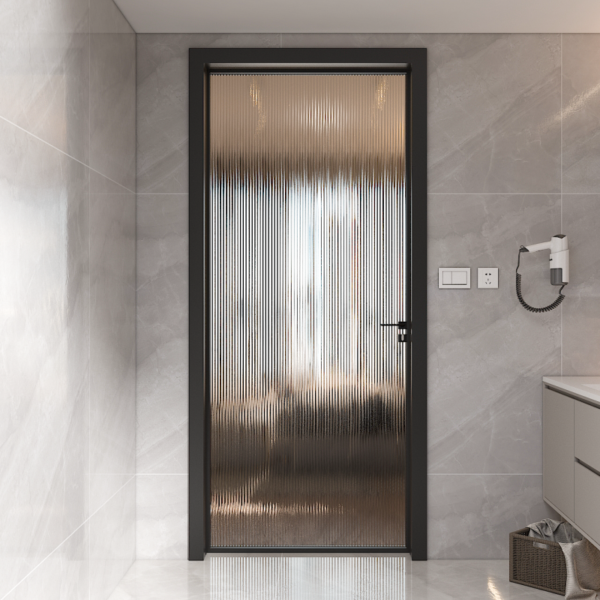
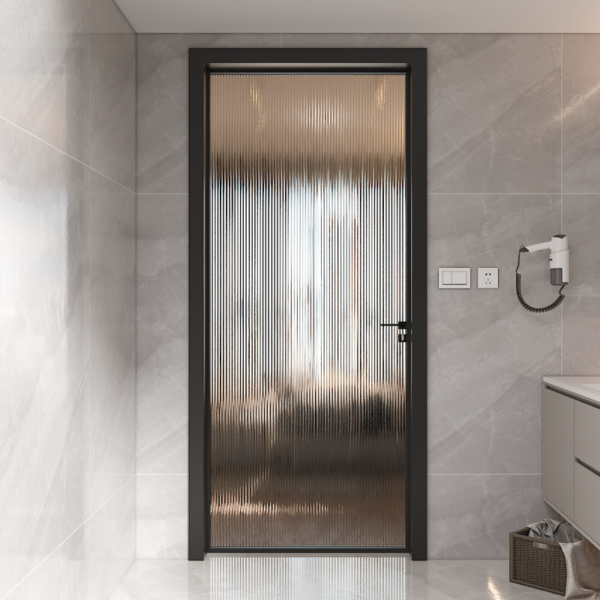
Comparative analysis begins with function: modern fixed windows deliver static glazing performance that differs materially from operable units. In controlled façade projects, fixed glazing reduces the number of moving interfaces, lowering points of air infiltration and simplifying thermal detailing. For procurement, an experienced aluminum door supplier often extends the same extrusion protocols and quality control used for doors to fixed-window systems, so specification continuity is feasible across frames and thresholds.

aluminum door supplier

Performance metrics: thermal, acoustic and structural

Quantitative assessment focuses on U-value, air leakage rate, and deflection under wind load. Modern fixed windows typically achieve lower U-values than comparable operable frames because they omit hardware penetrations; designers can target center-of-glass U-values below 1.1 W/m²·K with appropriate double or triple glazing and warm-edge spacers. Acoustic reduction correlates with glass thickness and cavity depth; laminated glazing with a 10 mm cavity yields measurable gains. Remember established building practice: windows can account for up to 30% of residential heat loss, so each incremental reduction in U-value has tangible energy implications.

aluminum door supplier

Material selection: aluminum systems and fabrication details

Aluminum remains the primary carrier for contemporary fixed glazing for its strength-to-weight ratio and capacity for narrow sightlines. Key industry terms to specify include thermal break construction, anodized finish options, and pressure-equalized glazing beads. Thermal break design must be detailed by cross-section; the thermal bridge must interrupt conductive paths without compromising structural mullion capacity. For durable façades, specify anodizing thicknesses and chromate conversion pretreatment in the contract documents to avoid premature corrosion at coastal sites.

Sealants, glazing and common installation errors

Glazing sealant selection and weatherstripping protocols determine long-term watertightness. Common mistakes include inadequate backer-rod placement, incorrect sealant tooling that leaves voids, and neglecting movement joints at perimeter mullions. Installers should verify gasket compression and bead continuity before final sign-off—measurement, not intuition, must drive acceptance. A short aside—listen to the crew on site when they flag access or handling constraints; early coordination prevents on-site rework.

Comparative alternatives: fixed windows versus casement and curtain wall

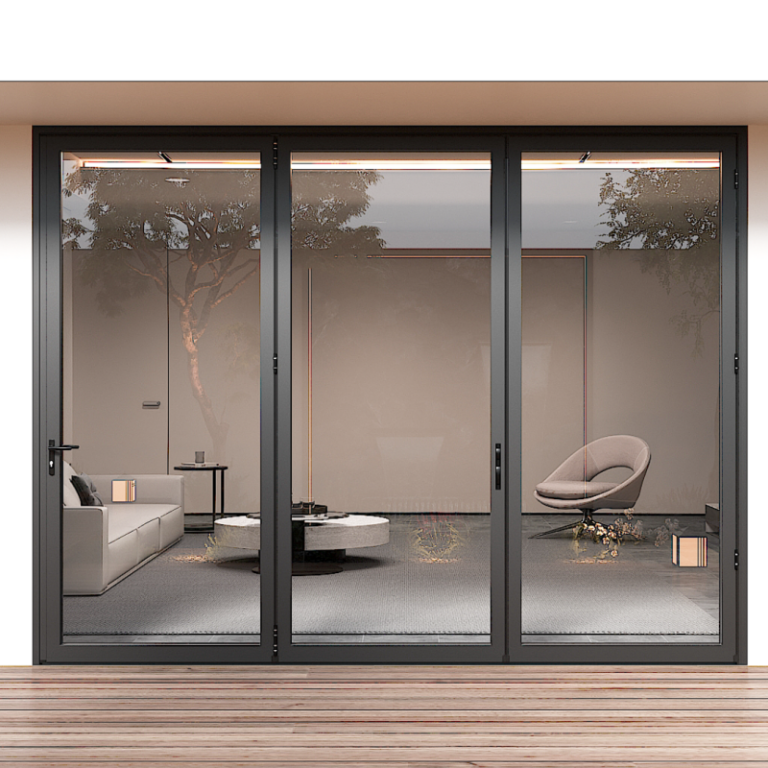
When comparing fixed units to operable casements or full curtain-wall, weigh thermal performance against operability needs. Casement units provide natural ventilation and can use the same extrusion profiles; for projects prioritizing egress and ventilation, pair fixed vision panels with operable sash. For tighter seals and simpler maintenance, an aluminum casement door can match frame aesthetics while delivering hardware-tested thresholds and multipoint locking systems. Consider façade module size, mullion spacing, and anchorage details when selecting between systems.

Design integration and specification checklist

Specify measurable parameters rather than descriptive adjectives. Required items: target U-value, maximum air infiltration (m³/m²·hr at 300 Pa), design wind load and deflection limits (L/175 or per local code), and sealant bead cross-section. Include testing requirements: specify the laboratory test method and exact test conditions—air leakage test per ASTM E283 at 1.57 psf (75 Pa) or project-specific repeated-cycle thermal movement test intervals. These specifics reduce ambiguity during shop drawing review and factory QA.

Advisory close: three golden rules for selection

1) Validate performance with measured metrics: require project-specific U-value calculations and third-party air infiltration tests rather than vendor claims. 2) Match finish and corrosion protection to environment: specify anodized thickness and coating system for coastal or industrial sites. 3) Coordinate interfaces: detail mullion-to-slab anchorage and thermal breaks in early-stage drawings to avoid site modifications and maintain warranty coverage.

For integrated architectural hardware and consistent extrusion tolerances, Zekin provides specification-grade systems that reconcile thermal design with fabrication practicality—delivering the performance you document and the installation quality you expect. –

Industry

The Silent Alchemy of the Anesthesia Gas Machine: A Problem-Driven Confession

by Edward July 14, 2026
written by Edward

When the Light Flickers

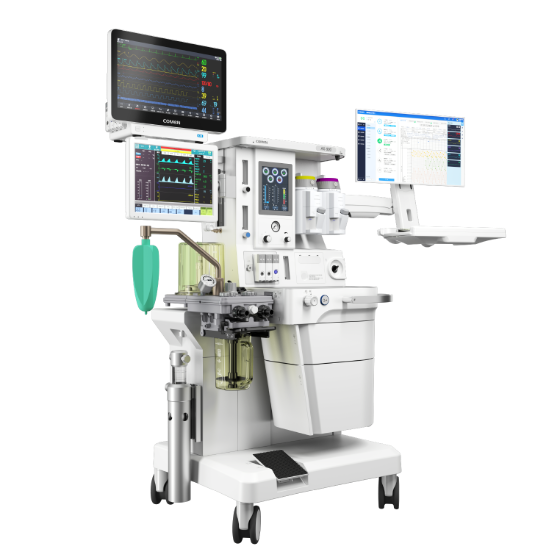
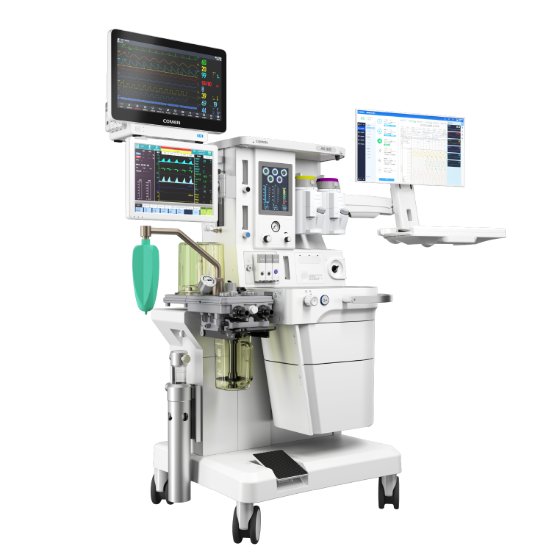
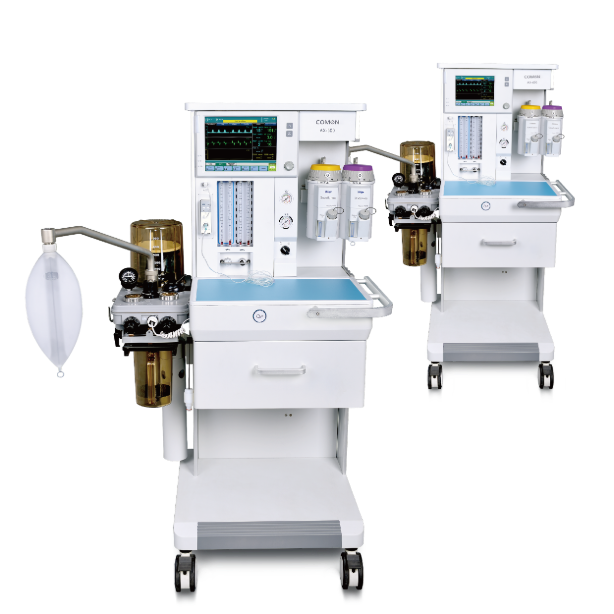
I once stood in a dim recovery room as the clock hit 02:15, watching a lone anesthesia gas machine hum like a trapped heart—an odd, small clinic incident that became a long lesson. The anesthesia machine itself protested with a drifting flowmeter and a vaporizer that misread at low fresh gas flow, and I remember the nurse’s hands trembling; we lost fifteen minutes that night (March 2016, Manchester clinic) while we hunted for the right adapter.

anesthesia machine

The gloom suited the truth: traditional fixes often paper over the real faults. I have replaced seals, tuned vaporizers, and patched scavenging system leaks across five hospitals; most fixes are tactical and cheap, but they leave a brittle skein of recurring trouble—blocked ports, sensor drift, and a CO2 absorber that expires sooner than planned. That design genuinely frustrated me, because the same symptom keeps appearing under different names. The next part will not romanticize repair; it will pry open the mechanisms and point to what we must change.

A Breakdown and a Plan (Technical)

Start with a definition: the unit we call the anesthesia gas machine is a system of measured gas delivery, vapor control, and waste capture—simple in phrase, complex in practice. I break it down for teams so they can see where failure nests: the flowmeter gives volume control; the vaporizer meters anesthetic concentration; the scavenging system removes excess gases. In my work I mapped failure modes in a 2019 audit at a teaching hospital in Leeds—out of 42 service calls, 28 traced to sensor calibration or tubing fatigue. That pattern tells me where procurement must press for change: not only a durable chassis, but accessible sensors, modular vaporizers, and clearer service logs. Here’s the forward step: compare long-term cost of repeated quick fixes with the up-front cost of modular, serviceable units. — The case for smarter machines is not romantic; it is arithmetic.

What’s Next?

We must move from bandage to architecture. I propose three metrics you can use when choosing replacements or upgrades: mean time between failures (MTBF) measured in hours; sensor replaceability index (how many minutes to swap a flow sensor under pressure); and documented scavenging efficiency (percent reduction in ambient volatile levels). I have tested a compact unit in outpatient theatres where swapping a vaporizer took eight minutes flat—downtime dropped; staff morale improved. Trust me, these are practical measures—no fluff. Choose equipment that lets you log service dates, not just shout into the dark; choose modular parts so a worn CO2 absorber or a brittle hose does not condemn an entire suite. One more aside—always insist on spare parts locally stocked. It saves nights. (Believe me.)

anesthesia machine

To close with concrete advice: evaluate units by lifespan cost, serviceability, and safety performance—those three are decisive. I have seen procurement teams ignore one and pay for it later—don’t. For pragmatic sourcing and proven units, I point to vendors who publish MTBF and parts lists openly. For a working reference and product range, see COMEN.

Business

What Happens When Your Robot Floor Cleaner Stumbles Upon Hidden Grime?

by Edward April 28, 2026
written by Edward

Unveiling the Problematic Dilemma

Imagine this: you invest in a high-tech automatic floor scrubber, confident that it will revolutionize your cleaning routine. According to studies, nearly 70% of users believe that robot floor cleaners save time and increase cleanliness. Yet, how often do these clever machines falter when confronted with hidden dirt? This anticipation of effortless cleaning often collides with the stark reality of stubborn grime lurking in corners.

robot floor cleaner

The Pitfalls of Traditional Cleaning Solutions

Many traditional cleaning methods, though seemingly reliable, often miss out on those nooks and crannies. I vividly recall my first encounter with a typical mop and bucket; that design genuinely frustrated me. It was a tedious process that required not just my time but also my patience. The flaws of conventional scrubbers are apparent: they require human oversight to navigate unpredictable terrains. In contrast, today’s robot floor cleaners promise automation, but they can’t always deliver an effective cleaning, especially in tricky areas. Hidden user pain points come alive here — imagine scheduling your cute robotic friend only to find specks of dust living on your baseboards after its run.

Where Does It Go Wrong?

Robot floor cleaners are designed for efficiency, yet the reality of a neglected corner or an unnoticed spill often leads to disappointments. I remember a discussion with a friend who invested in a high-end robot cleaner. Despite its reputation, she found herself resorting to manual cleaning to regain the sparkle in her kitchen.

Glimpsing the Future of Cleaning Tech

As we look ahead, the promise of innovation continues to shape the future of cleaning technology. The design and functionalities of automatic floor scrubbers are evolving rapidly. The integration of advanced sensors and AI technologies offers hope of addressing the very issues we’ve highlighted. These advancements aren’t just marketing; they possess the potential to truly transform how we perceive cleaning.

Real-world Impact of Advanced Robots

Consider this: recent releases showcase robots that meticulously map your space, learning the unique contours of your living room. They come equipped with powerful suction mechanisms that can tackle messes previously deemed impossible for these devices. The evolution from semi-automated machines to fully autonomous cleaners signifies a revolution. It’s a shift I believe will define how we interact with our living environments.

What Should Users Look For Next?

Our cleaning future is bright, but to ensure you’re making the right choice, assess a few key metrics. Look for cleaning coverage—how well the automatic scrubber maps your space. Check the suction power—can it handle both dust and larger debris? Lastly, evaluate battery life—to know whether it can finish the job in one go or will require a recharge mid-clean. These factors will help ensure you don’t find yourself second-guessing your purchase later.

robot floor cleaner

Concluding Thoughts: Lessons Learned

In my journey through the world of robotic cleaning, I’ve learned valuable lessons. The blend of technology and daily convenience is promising, yet the hidden challenges still prevail. If you’re contemplating investing in an automatic floor scrubber, consider how these advanced machines can not only streamline your cleaning routine but also inspire you to redefine cleanliness in your home. With brands like Greendorph, the future of your floor cleaning is only a click away, offering not just vacuuming but a new perspective on maintaining our intimate spaces. Just remember, even with innovation, regular check-ins and maintenance are key participants in the journey of cleanliness.

Industry

Unlocking the Power of Optical Frequency Combs in TFLN Devices

by Edward March 23, 2026
written by Edward

A New Era in Precision Measurement

Picture this: I’m at a lab in Cape Town, surrounded by some of the brightest minds tackling cutting-edge technology. The conversation flows as we discuss the latest advances in precision measurement, specifically how optical frequency comb technology is changing the game. Did you know that this technology can achieve frequency measurements with attosecond precision? But what does that mean for TFLN Devices? That level of accuracy can dramatically enhance applications in telecommunications and spectroscopy!

Understanding the Shortcomings

There’s no denying it, many traditional frequency measurement solutions are getting left in the dust. Often, they come with inevitable flaws like high costs and complex setups. I remember trying to integrate one of these outdated systems—it was frustrating and, quite frankly, a waste of time. TFLN Devices, however, has made significant strides in addressing these hidden pain points. From user-friendly interfaces to more affordable options, they’re stepping up to the plate. It’s about making high-quality science accessible to all.

What Makes Optical Frequency Combs Stand Out?

Now, let’s talk specifics. The fundamental principle of the optical frequency comb is that it combines multiple frequency laser sources, creating a spectrum that is both broad and precise. This means researchers can get accurate readings much faster than before. Imagine a process that used to take hours now being completed in mere minutes! I didn’t believe it at first, but I saw it happen right in front of my eyes.

Looking Ahead: What’s Next?

As we shift gears into a more forward-looking perspective, it’s fascinating to think about the role that TFLN Devices will play in the realm of optical frequency combs. By continuously refining their technology, TFLN is not just keeping pace but is positioned to lead the way in innovation. This opens doors to numerous applications—from enhancing telecommunications infrastructure to pioneering advancements in molecular analysis.

Real-world Impact of TFLN Devices

It’s clear that the implications are tremendous. When optical frequency combs are integrated effectively, it leads to breakthroughs that can transform industries. We’re talking about improved data transmission rates that can make a difference in urban connectivity or critical advancements in environmental monitoring systems. It blew my mind when I realized how much potential this holds for improving our daily lives. As we embrace these changes, it’s vital to evaluate key metrics—accuracy, cost, and ease of integration—when selecting technology solutions.

Conclusion: Final Thoughts on Technology and Its Evolution

Reflecting on these insights has made me appreciate how far we’ve come and how many possibilities lie ahead. The shift from traditional to innovative solutions isn’t just a choice; it’s a necessity for progress. For anyone looking to stay ahead in the tech game, especially in a fast-moving landscape, investing in advanced tools like those offered by Liobate will be essential.

Recent Posts

  • Maintenance, Service, and Lifecycle Planning for Freshwater Tanks: A User-Centric Guide
  • What Is a Preclinical CRO, Really? A No-BS Buyer’s Guide
  • Wholesale Display and Integrated-PC Procurement: Legal Risks, Operational Remedies, and Buying Criteria
  • Spray Paint from China vs. Traditional Paints: What Actually Changes for Your Project
  • Data Signals: Prioritizing Three-Phase UPS Development by Performance Metrics

Recent Comments

No comments to show.

About Me

About Me

Designer

Sed ut perspiciatis unde omnis iste natus sit voluptatem accusantium dolor emque.

Keep in touch

Facebook Twitter Instagram Pinterest Behance Youtube

Popular Posts

  • 1

    Почему стоит выбрать керамический герметичный корпус?

  • 隱形牙套會吸引目光還是被默默接受?企業與用戶的選擇真相

  • 3

    Фасовочно Упаковочные Линии: Ваша Полная Инструкция

  • Автоматический счетчик капсул: Инновации и преимущества

  • 5

    А что, если аккумулятор GFM смог бы сам предугадывать нагрузку?

  • 6

    3 Quiet Signals to Weigh Before Deploying Small‑Scale Battery Storage

Categories

  • App Design (6)
  • Business (155)
  • Global Trade (173)
  • Industry (156)
  • Market (145)
  • Tech (146)
  • UI/UX (7)
  • Web Design (7)
  • Facebook
  • Twitter
  • Instagram
  • Pinterest
  • Behance
  • Youtube
  • Bloglovin
technooloop
  • Home
  • Design Update
  • Business
  • Global Trade
  • Industry
  • Market
  • Tech