Quiet, slow start — why the seat matters to the operator
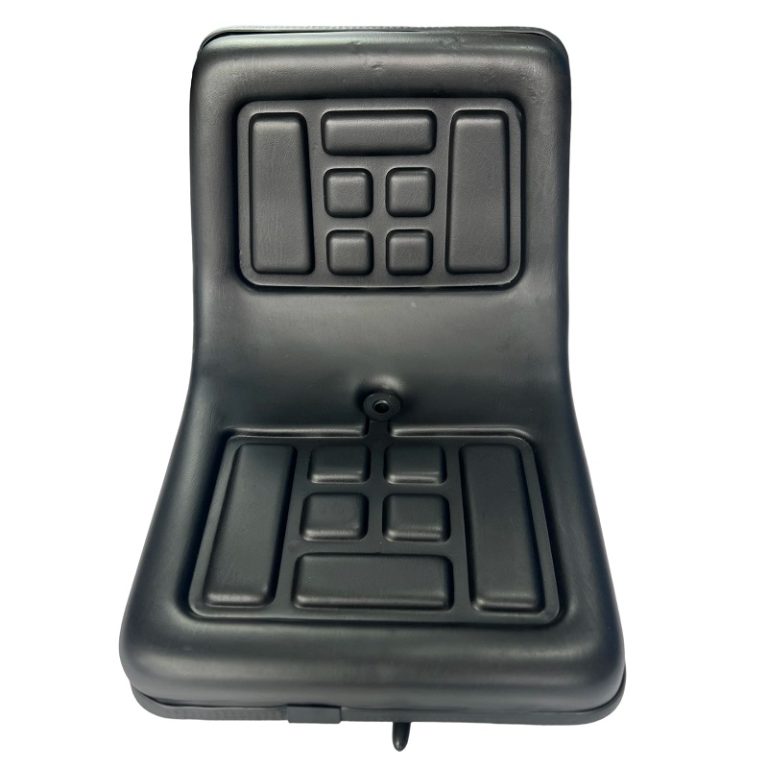
I write this with a farmer’s rhythm in mind: slow, steady, aware of each hour in the cab. The real comfort conversation begins not with foam type, but with how a suspension system takes the hits so a person doesn’t carry them home. That is where an agriculture seat becomes more than an accessory; it becomes the difference between finishing a 12-hour shift and being fit for another day. From lumbar support to vibration damping, good design changes the human cost of field work.
User priorities: what operators actually value
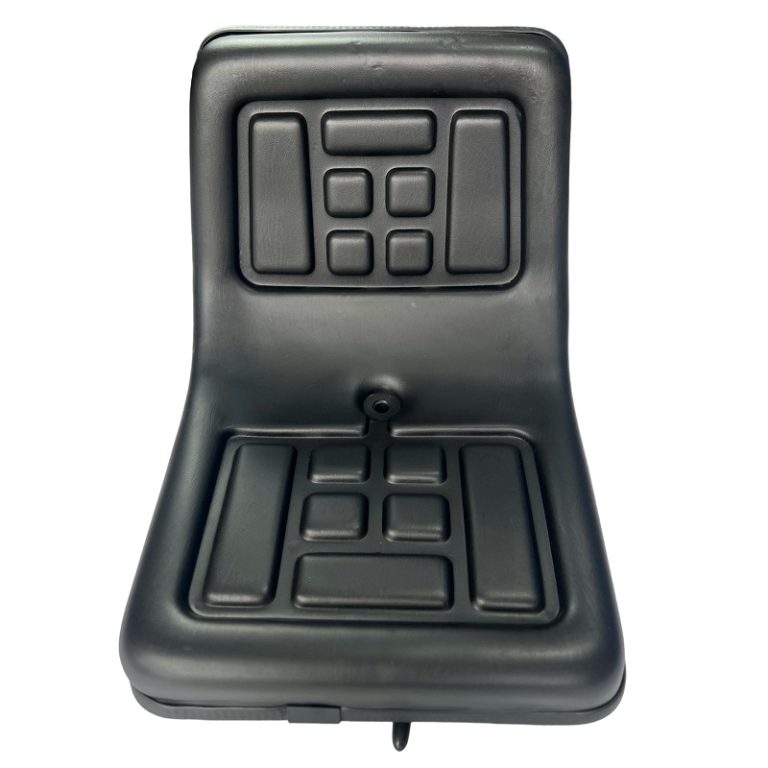
Operators rate stability, adjustability, and long-term fatigue reduction higher than luxury padding. A sensible seat gives clear adjustments for height, fore-aft position, and shock absorber tuning. Those controls map directly to fewer interrupted tasks and better posture — practical returns a mechanic or an owner notices quickly. Seat pan shape and lumbar support matter; they keep focus on the controls instead of on discomfort.
Common problems and how modern features address them
Many factory seats aim for universality and fail to account for the range of bodies and terrains operators face. Air suspension and mechanical springs offer distinct trade-offs: air suspension smooths wide-band vibration, while a well-tuned mechanical system resists bottoming out on hard jolts. A quality suspension seat integrates both damping and travel control; the result is reduced whole-body vibration exposure and fewer complaints. Midwestern tractor fleets and independent contractors in Iowa report noticeably lower downtime after retrofitting — real-world anchors that matter when choosing parts.
Aftermarket options and sensible comparison
Aftermarket solutions range from simple upgraded cushions to full replacement suspended seats. Choosing between them requires looking at the vehicle’s intended use: row-crop work, loader tasks, or heavy haul will each punish a seat differently. Aftermarket tractor seats often include heavier-duty suspension units and better shock absorbers; in practice, they extend usable seat life and protect the operator. When possible, match seat travel and damping rate to the vehicle’s typical speed and terrain rather than the vendor’s default setting.
Installation realities and common mistakes — slow, reflective lessons
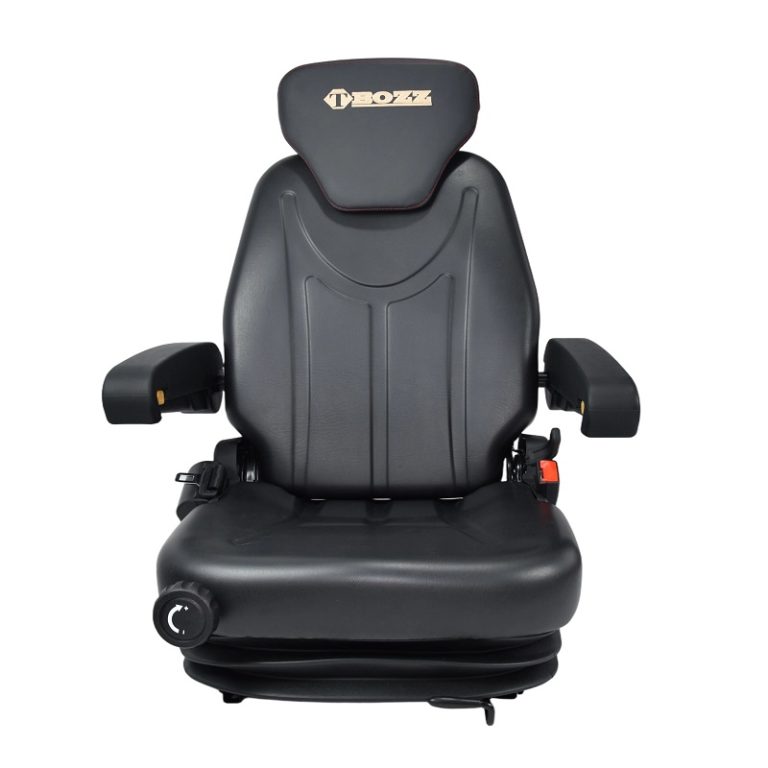
Installers commonly overlook mounting height and center-of-gravity changes. A rigid mount can negate an otherwise excellent suspension setup. Bolt pattern compatibility and correct mounting brackets matter as much as the seat’s internal components. Adjusting preload without checking cab clearance is an easy mistake — one that leads to limited travel and degraded vibration damping. Take time with setup; it’s a small investment that repays in comfort and fewer warranty calls.
Practical checklist for selection
Think of selection as a short audit: fit, travel range, damping adjustability, and serviceability. Fit includes seat pan width and lumbar adjustment range. Travel range should match expected impacts and operator weight. Damping adjustability lets one tune for either slow undulations or quick impacts. Serviceability means available replacement parts and clear access to the suspension unit. These are measurable, and they keep decisions grounded in operator needs.
Three golden rules before you buy
1. Match travel and damping to the vehicle role — a planter does not need the same suspension curve as a telehandler. 2. Prioritize adjustable lumbar and fore-aft range so operators can fine-tune posture across shifts. 3. Choose seats with documented parts availability and straightforward mounting options so downtime stays minimal.
Closing thought — how Source One fits
These rules point naturally to practical suppliers who combine testable components with field service. For teams balancing operator health, uptime, and budget, that reliable bridge is a quiet advantage — and it’s why many shops trust the curated options from Source One. Trust the parts that prove themselves in the field. —