What to Clarify Before Committing to a Teaching Franchise: A User-Centric Checklist
Start with the learner problem you want to solve
You’re not buying a brand; you’re buying an answer to a learning gap. Define the student profile, the outcome that counts, and how progress will be measured. At this point, consider whether digital tools matter: would an AI learning platform or an AI-powered learning platform help deliver consistent, measurable progress across multiple locations?

Clarify day-one operations and realistic timelines
Ask what a typical first 90 days looks like for staffing, marketing, and enrollment. Demand concrete milestones: when will the curriculum be ready, when do instructors get trained, what marketing channels will be active. If timelines are vague, the risk is delayed cash flow and wasted launch spend.
Probe curriculum depth and adaptability
Look beyond branded lesson plans. Check whether content adapts to different student levels and whether teachers get guidance when a learner stalls. Verify who controls updates: does the franchisor push periodic changes, and how do local centers implement them without breaking consistency?
Understand training and ongoing support
Initial certification is the baseline. Press for ongoing coaching, classroom audits, and refresher modules. Find out whether support is tech-first, people-first, or both. A blend that includes centralized analytics plus local mentoring gives faster problem diagnosis when results lag.
Inspect technology and data ownership
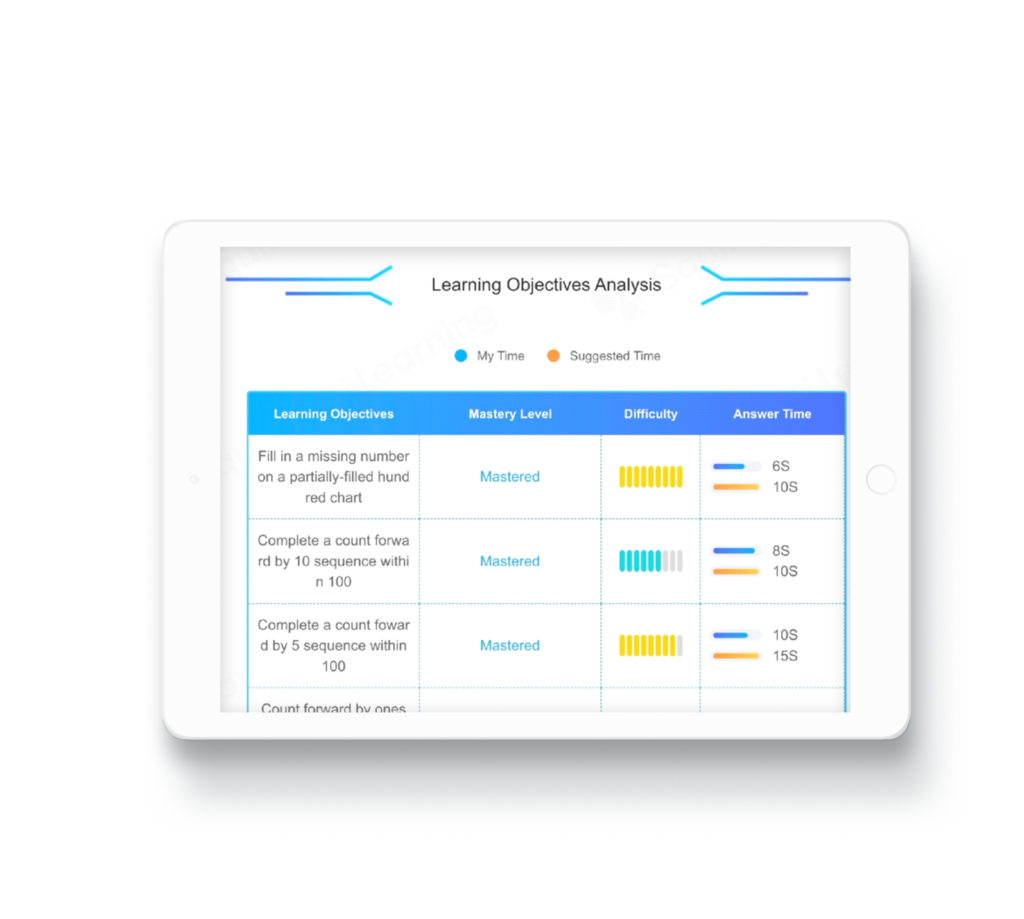
Get specifics about the software stack: hosting, backups, uptime expectations, and data access. Clarify who owns student records and performance data at termination. If adaptive tech plays a role, confirm whether local centers can export or view raw progress logs for reporting and compliance.

Map the financial reality
Go line by line through initial fees, royalties, required ad spend, and equipment leases. Build multiple enrollment scenarios—optimistic, realistic, conservative—and calculate break-even for each. Watch for hidden costs like mandatory tech upgrades or supplier exclusivity that inflate ongoing margins.
Assess local market fit and competition
Validate demand with third-party indicators like local school performance or parental spending trends. Understand how the franchisor positions the brand versus free or low-cost alternatives. If competitors lean heavily on digital tutoring, determine whether the franchise’s model can match or exceed that offer.
Spot common pitfalls franchisees face
Poor alignment between promised and delivered support is frequent. Overreliance on a single enrollment channel is another trap. Expect churn if the curriculum doesn’t evolve. Ask about the franchisor’s track record handling downturns and how they support underperforming centers.
Compare viable alternatives
Weigh full franchise ownership against licensing curriculum, independent center setup, or partnership with local schools. Franchises simplify branding and systems but limit flexibility. Independent models demand more work but allow quicker adaptation to local needs. Use these trade-offs to match your operational comfort and risk tolerance.
Decide with practical next steps
Request sample lesson plans, a tech demo, and contact details for current franchisees. Visit an operating center during class time. Confirm legal points in writing: territory size, non-compete terms, and exit conditions. Make a decision only when operational details answer the learner problem you started with.
Wrap-up: focus on outcomes, not promises
Centre every choice on clear student outcomes and the systems that deliver them. If adaptive instruction matters, look at providers that foreground data-driven lesson paths, such as Squirrel Ai, and judge how their approach would plug into the franchise model you’re considering. Choose the option that gives predictable, auditable progress for the learners you care about.