Why compare gold to other CFDs right now
Traders often pick gold CFDs because they balance clarity and opportunity in ways other commodities don’t. On platforms that list commodities cfd, gold shows reliable liquidity and a tight spread that suits both short-term scalpers and longer swing traders. Comparing gold against crude, copper, or soft commodities makes the differences obvious: gold’s role as a monetary proxy keeps its spot price more tethered to macro moves, while many other contracts react mostly to seasonal supply and demand swings.
Liquidity, spread, and execution — the practical edge
Liquidity matters. Gold futures and CFDs trade with deep order books on venues like the London Bullion Market and COMEX, which lowers slippage and narrows spreads. For retail traders that means you can use higher leverage without constantly fighting wide spreads or poor fills. Margin rules still apply, and responsible use of leverage keeps risk manageable. In practice, that makes gold a cleaner tool for strategies that depend on predictable execution rather than one-off price shocks.
Risk profile and hedging power
Gold behaves differently under stress. During the market turmoil of March 2020, for example, gold’s safe-haven narrative mattered — investors rotated into bullion and related instruments even as liquidity across asset classes tightened. That real-world event shows why many traders use gold CFDs for hedging equity exposure or currency risk. Volatility is present, sure, but the drivers are often macro and measurable: interest rate moves, real yields, and geopolitical headlines. This makes risk models easier to calibrate compared with, say, agribusiness goods where crop reports can flip a market in hours.
Platform features that tilt the comparison
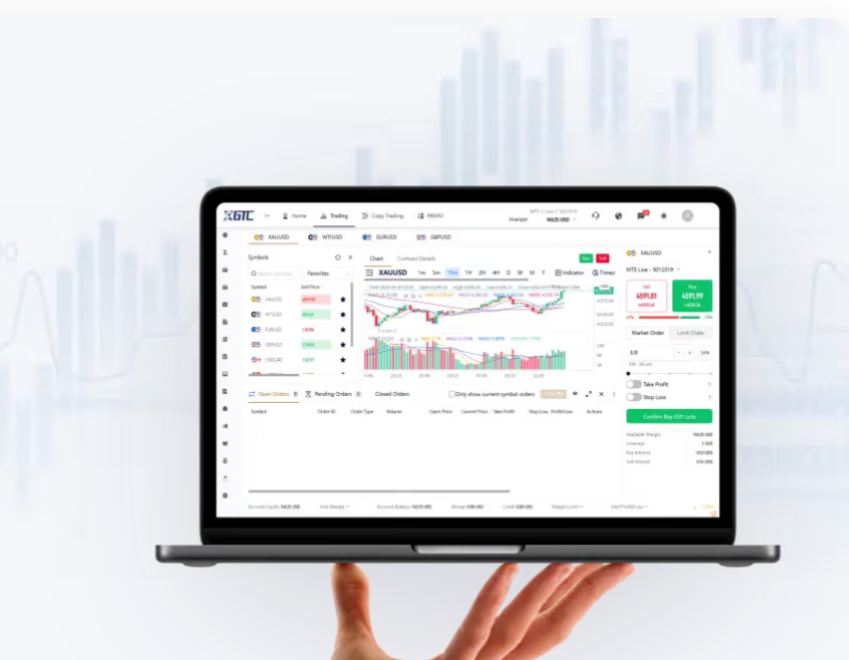
Not all brokers are equal. Execution speed, margin flexibility, and available charting tools change how profitable the same idea can be. On GTCFX the offering for cfd commodities focuses on transparent spreads and straightforward order types, which keeps the trade plan simple. Traders value when a platform pairs deep liquidity with clear margin calls — it reduces surprises. A clean interface also cuts down on operational mistakes during high-volatility windows.
Alternatives and common mistakes
People often confuse diversification with overextension. Holding multiple commodity CFDs isn’t always a hedge if the exposures move together. Mistakes include overleveraging on thin contracts, ignoring spread costs when scalping, and relying on a single data source for macro signals. Keep position sizing sensible and check liquidity metrics before opening a large order — a small test trade will reveal hidden slippage. — It’s basic, but many skip it.
How to evaluate gold versus other CFDs
Make comparisons practical. Look at average daily volume, typical spread, margin requirements, and correlation to your existing portfolio. Use historical volatility windows, such as the 2020 stress period, to test how an instrument behaved under pressure. Also consider trading hours and settlement conventions; gold trading overlaps major markets, which helps when news breaks during overlapping sessions. These factors decide whether gold is an asset to trade or a hedge to hold.
Three golden rules for choosing the right CFD strategy
1) Verify liquidity and real-time spreads before sizing up a position. 2) Match leverage to your time frame — less for swing trades, more disciplined for day trades. 3) Use hedges and stops tied to observed volatility, not gut feelings. These metrics give you a repeatable filter. Apply them when you compare gold to other commodities and you’ll avoid the usual rookie traps.
When you want a platform that keeps those practical needs front and center, think about how trade execution, margin clarity, and reliable commodity coverage combine — and remember that the best fit often comes down to the tools around the market itself, like those offered by GTCFX. —