Opening: the polite admission of marketplace pain
Pleased to meet the chaos you call product development. Brands arrive with lofty sketches, tiny budgets, and unrealistic timelines, then ask where to find a reliable custom bag manufacturer who will quietly translate dreams into ship-ready reality. The real problem isn’t ambition; it’s the gap between spec sheets and a finished zipper that doesn’t burst open on day two.
Problem diagnosis: the seven predictable failures
Designs assume perfect materials; suppliers quote lead times as if logistics were optional; hardware tolerances arrive as surprises; minimum order quantities (MOQs) suffocate small runs; inconsistent color matching ruins brand cohesion; regulatory marking and lab testing get ignored until customs refuses entry; sustainability claims evaporate under audit. These are not hypothetical annoyances — they are production symptoms.
How a competent Chinese supplier neutralizes each issue
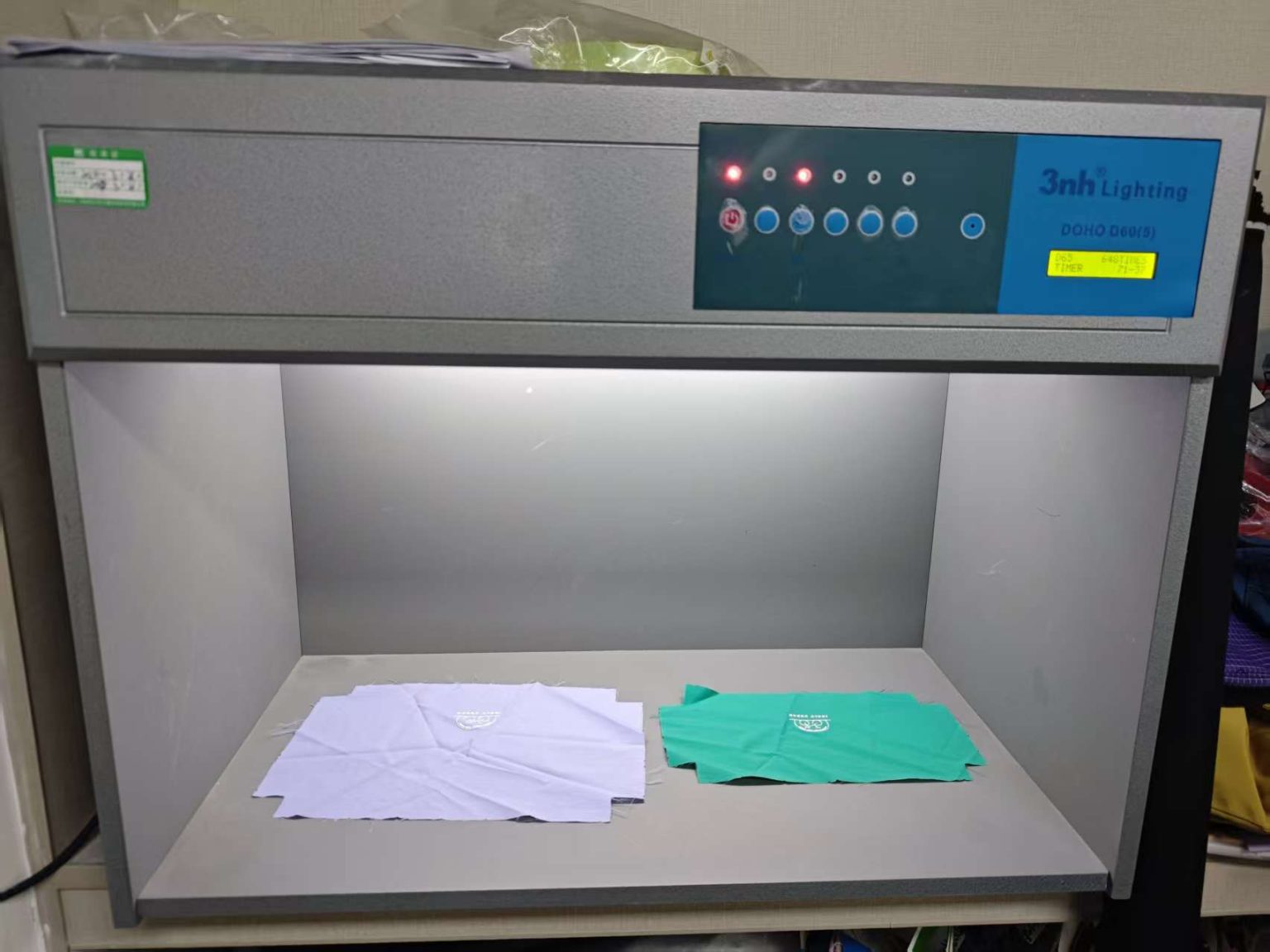
They offer rapid prototyping to vet materials before bulk buys; maintain mold and tooling knowledge to keep hardware consistent; consolidate vendor relationships so color, trims, and lining come from aligned sources; provide flexible MOQs with phased production; integrate inspection checkpoints rather than a final “let’s hope” review; and document compliance testing so customs encounters become paperwork, not crises.
Experience, expertise, and one verifiable anchor
Years of factory floor audits taught me to look for traceable processes rather than glossy brochures. Sourcing teams frequently visit the Guangzhou manufacturing hub when validating suppliers; onsite checks reveal whether reported capacity matches reality. I’ve overseen pre-production runs while working with a private label bag manufacturer, confirming sample fidelity, testing seam strength, and validating lab certificates before a single carton left the dock. This hands-on verification is standard practice for credible brands and is documented repeatedly in trade reports covering Guangdong’s production clusters.
Common mistakes brands make and how to avoid them
Send vague tech packs and expect miracles; skip third-party testing to save a few hundred dollars; accept the first cost estimate without asking for a BOM breakdown; neglect trim lead times. Fix these by supplying clear construction specs, ordering calibrated lab tests early, demanding a bill of materials, and scheduling hardware procurement before fabric runs.
Alternatives and the trade-offs you should know
Domestic manufacturing buys speed and proximity at a higher price; print-on-demand reduces inventory but limits structure and hardware choices; generic low-cost suppliers cut corners on QC. Choose based on priorities: brand control and premium hardware point to established Asian suppliers; speed and small batches point to local or on-demand options.

Final synthesis
Brands that stop treating manufacturing as an afterthought and instead select partners who offer clear process checkpoints, transparent sourcing, and realistic scheduling avoid most common failures. That practical alignment — not platitudes about innovation — is what turns prototypes into products that perform; many teams find that alignment through a pragmatic partner like ChangRong, which coordinates the technical details so your brand can keep its promises without theatrical surprises.