Problem: Heat that won’t hold
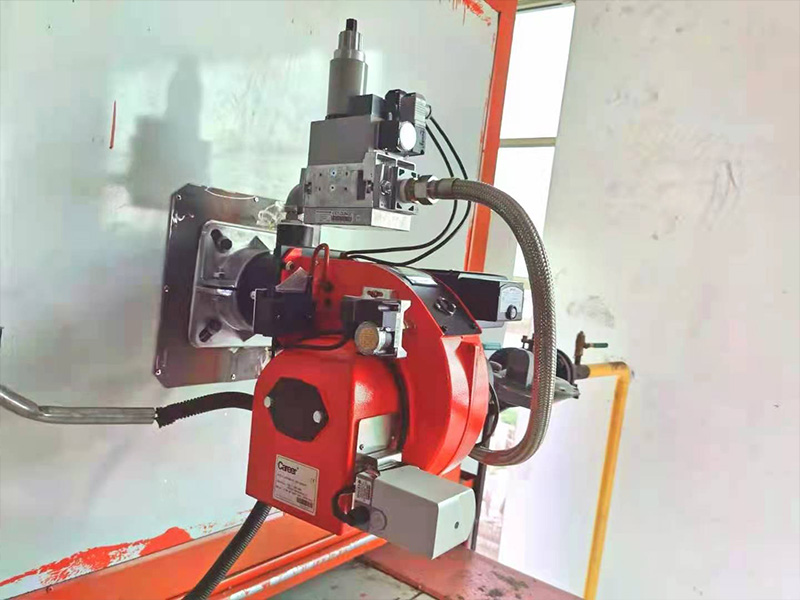
When a kiln or boiler won’t hold steady heat, folks start losing product and sleep. The trouble usually starts at the flame—poor mixing, wrong fuel pressure, or a burner that’s past its prime. You look at the industrial burners first, then at the fuel and the controls. Fixing the burner fixes a lot of headaches quick, but only if you know what to check and what to avoid.

What’s failing and why it matters
Flames that wander, soot that builds, and cycling that chews up parts—those are common signs. Too much soot means lost heat and clogged tubes. Combustion instability means uneven product quality or blown seals. That costs time, scrap, and safety headaches. Small drift in fuel ratio or a dirty nozzle will show up fast in a thermal process that needs steady, even heat.
Who I am and the real-world picture
I’ve spent years on shop floors and rigs tuning burners and walking plant floors. On retrofit jobs around the Houston refining hub, crews often chose custom burners to get the flame shape and turndown they actually needed. That hands-on work taught me what specs matter and which promises from vendors are just talk.
Practical choices and sensible trade-offs
You can go cheap with an off-the-shelf unit, or pay more for a custom job that fits the furnace size, fuel mix, and control scheme. Off-the-shelf cuts upfront cost but often needs extra tweaking. Custom burners cost more up front but save time tuning, reduce fuel waste, and cut downtime when specs are right. Dual-fuel setups give flexibility where fuel supply is uncertain, but they need proper commissioning or they’ll act up under load.
Common mistakes that bite you later
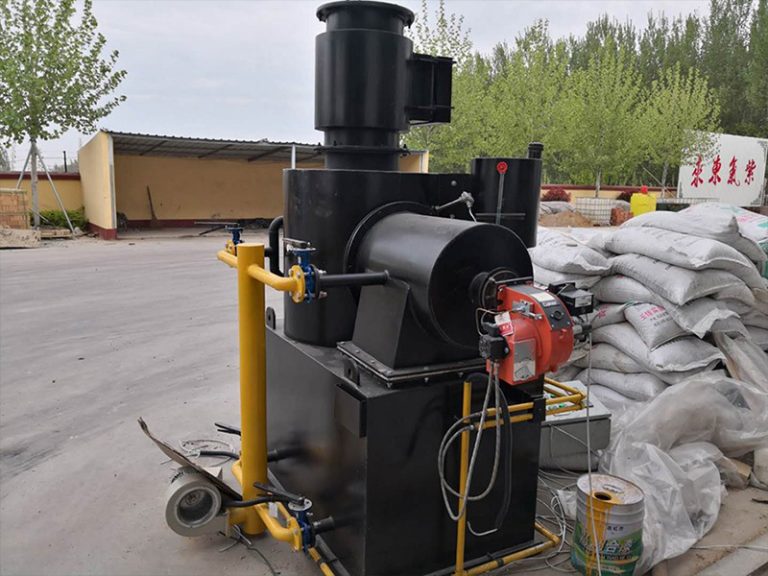
Buying on price alone. Ignoring turndown and flame length. Skipping proper controls and air-fuel measuring devices. Failing to train operators and maintenance folks. Those mistakes show later as repeated trips to the boiler house at midnight. Commissioning and simple tune-ups pay for themselves fast. Keep spare nozzles and a clear maintenance checklist—small parts cause big stops.
How to measure success
Watch fuel use, stack soot, product variability, and how often you shut the line for burner work. Set targets and check them after a tune or retrofit. If a burner change drops fuel per ton and cuts soot, you got your money’s worth. Good service records and parts availability count as much as the initial spec sheet.
Where that leads you
Problem-first thinking gets you past theory and straight to what matters: steady flame, fewer shutdowns, and predictable output. When a team pairs the right burner with plain, sensible maintenance and clear operator routines, the plant runs quieter and the work stops being urgent. That’s the kind of steady answer teams find from hands-on, practical suppliers like Career Burners.