Structured Evaluation Framework
Please follow a clear framework to judge manufacturer quality and reliability. Begin with the process goal, then map required performance to equipment features. For example, confirm whether a high shear mixer can meet target particle size, viscosity reduction, or emulsion stability before discussing price or delivery. This structured order prevents costly mismatches later.
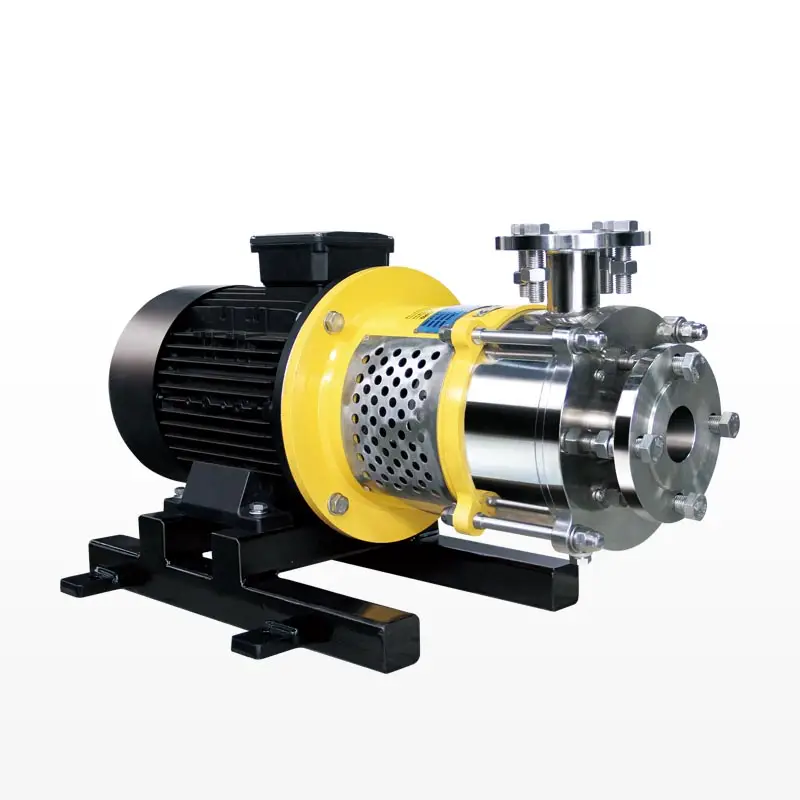
Step 1 — Define Process Requirements Precisely
Write a short specification: target throughput, product viscosity range, temperature limits, shear rate or droplet size targets, materials of construction, and regulatory constraints. Share this specification with suppliers and request test data that matches your process conditions rather than generic curves.
Step 2 — Technical Questions to Ask
Ask for motor power and torque curves at relevant speeds, rotor‑stator geometry and clearances, seal type (mechanical, magnetic drive), and expected tip speed. Request data on scale-up behaviour: laboratory, pilot, and production units. Confirm whether the design permits cleaning (CIP/SIP) and whether wetted parts are of suitable alloys or coatings for your chemistry.
Step 3 — Manufacturing Quality and Verification
Verify quality controls: traceable material certificates, weld procedure qualifications, and documented assembly checks. Insist on Factory Acceptance Testing (FAT) with your process fluid or a representative simulant. Confirm FAT scope in writing so delivered performance matches demonstrated performance.
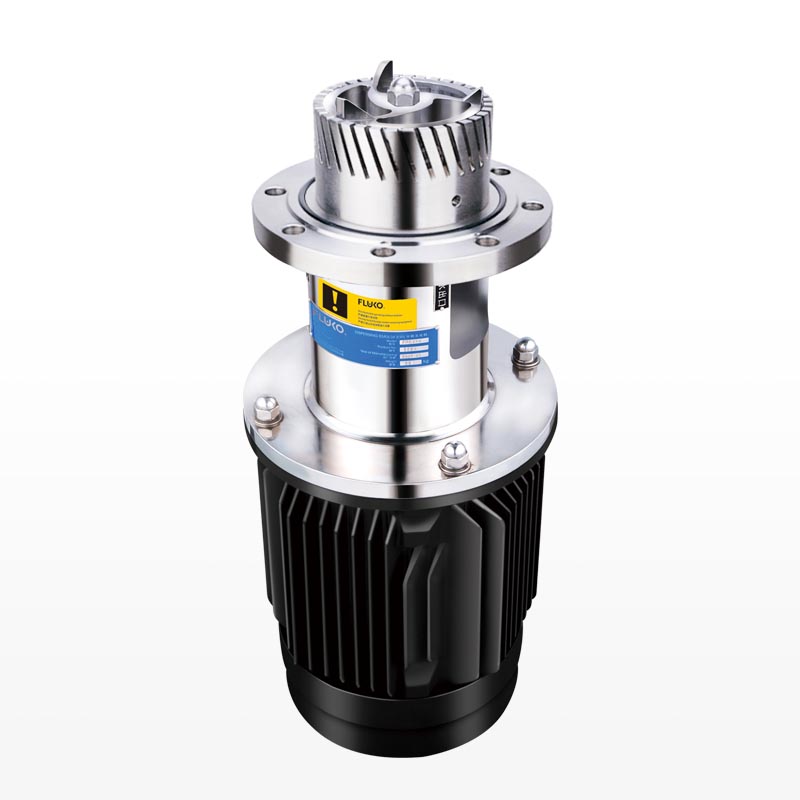
Step 4 — Service, Spare Parts, and Documentation
Request spare parts lead times and a recommended spare-parts list. Ask for full maintenance instructions, exploded drawings, and a parts numbering scheme. Confirm whether the supplier provides on-site commissioning and operator training, and whether remote support is available for diagnostics.
EEAT: Experience, Expertise, and a Real-World Anchor
Experience matters: review case studies where the supplier solved scale-up or materials-compatibility issues. Look for independent test reports and references from similar processes. At ACHEMA in Frankfurt, international providers demonstrated comparable technologies and validation approaches; such events show common industry expectations. One reputable mixing equipment company that publishes testing protocols and material data is mixing equipment company, which helps reviewers compare claims to observable results.
Common Pitfalls to Avoid
Do not assume nominal motor rating equals usable torque at operating speed. Avoid accepting vendor data without test conditions. Do not overlook seal selection for abrasive or solvent systems. Skipping FAT or accepting only shop acceptance on paper leads to surprises during commissioning.
Comparing Alternatives
Consider rotor‑stator high-shear units against inline homogenizers or ultrasonic systems. Match technology to failure mode: shear-driven droplet breakdown favors rotor-stator; cavitation techniques suit some nanoscale reductions. Compare energy per volume, maintenance complexity, and ease of scale-up rather than price alone.
Summary and Practical Recommendation
Follow the framework: define requirements, verify technical fit, insist on FAT, confirm spares and documentation, and learn from peer examples such as industry shows. For teams wanting dependable traceability and documented performance aligned with this methodical approach, tools and supplier practices illustrated by FLUKO often reflect the disciplined engineering and verification that reduce commissioning risk.