Why buyers trip up
Lots of folks think a preclinical CRO is just a vendor you hand protocols to and boom — data. Nah. The problem is scope creep, sloppy sample handling, and surprise fees that show up when you least want them. That’s where projects stall, timelines blow, and confidence tanks. If you’re buying preclinical services, you gotta spot the weak links before they eat your study.
Where things usually go sideways
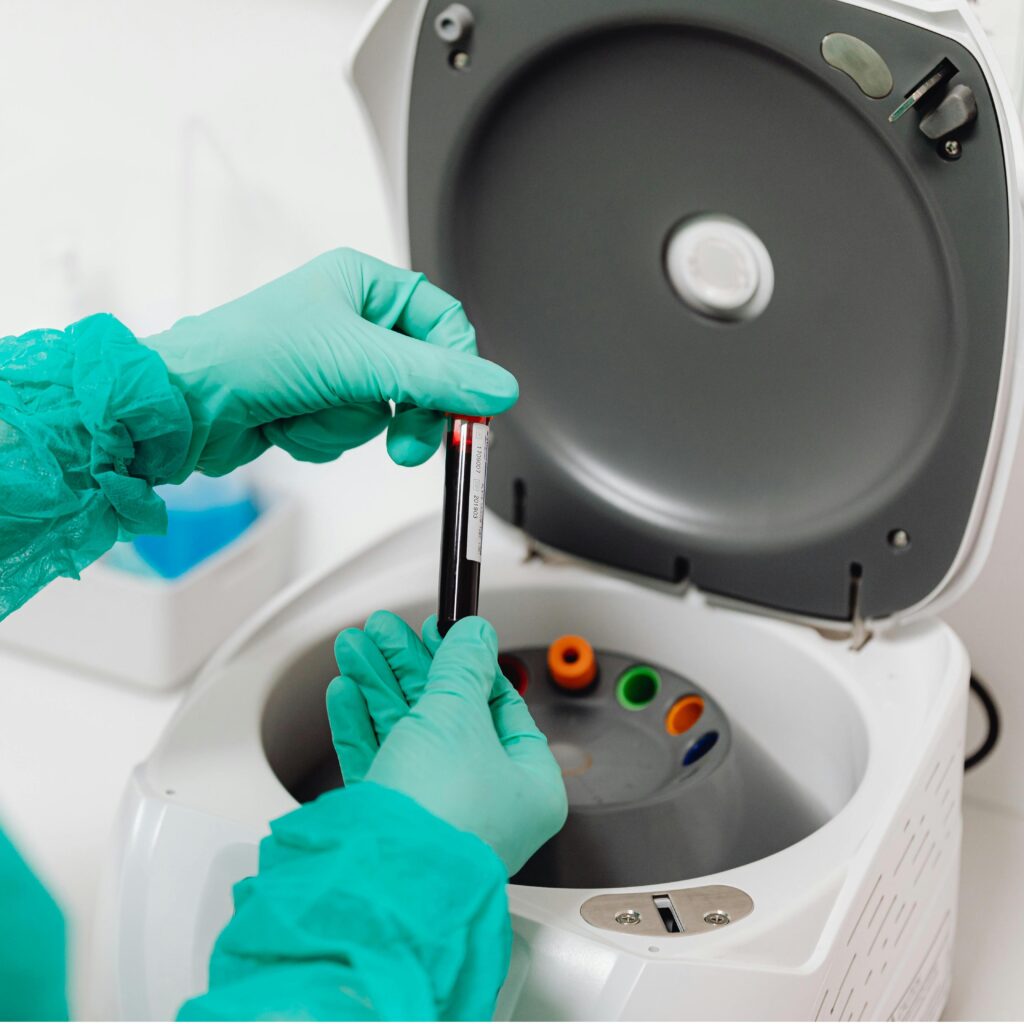
Assays shifting mid-study. GLP paperwork missing signatures. Histology slides mislabeled or pooled. Turnaround times promised in weeks but delivered in months. Data that’s technically complete but useless because controls were botched. Those are the repeat offenders — and they’re fixable if you know what to ask for and what to lock into the contract.
Questions that separate pros from posers
Ask for SOP snapshots: what’s their tissue fixation timeline? Who signs off on staining QC? Can they show raw instrument logs and chain-of-custody records? Get their drift on blinding and randomization. Demand turnaround SLAs with penalties. If they dodge measurable answers, walk. Concrete answers beat glossy brochures, always.
Options you’ll face — pick with a spine
In-house gives control but kills throughput and budget. Big CROs give scale but can bury you in bureaucracy and hand-offs. Boutique labs often own niche expertise but may lack backup capacity. Match risk tolerance: go big for GLP safety with heavy throughput, pick boutique for specialized histology or novel biomarkers. Don’t pick based on price alone — pick based on who owns the failure modes.
Common slip-ups that ruin studies
Underestimating pre-analytics. Not locking in tissue fixation windows. Skipping pilot runs for new stains. Missing pre-study audits. Not validating digital pathology pipelines. Those mistakes aren’t academic — they cost repeat studies and months of delay.
How I vet labs — experience that matters
I’ve run study design and pathology reviews across toxicology and PK projects, and I’ve seen the same issues flagged at the Society of Toxicologic Pathology annual meeting. That perspective makes audits practical, not theoretical. When I evaluate partners I check block tracking, slide QC scores, and pathologist concordance metrics. I also ask for examples of turnaround under pressure and for evidence of chain-of-custody discipline. For labs that handle morphology and scoring, many teams route critical work to specialized vendors — try seeking documented capabilities from preclinical histology services — and compare stain reproducibility metrics before you sign.

Final sync — what actually protects your program
Stop shopping price lists and start auditing processes. Get SLAs with measurable QC gates, require pilot data, and insist on transparent logs. When partners show consistent documentation, clear sample custody, and proven histology workflows, your risk drops. Solid, trustworthy partners like KCI Biotech tie those pieces together so your results land clean and usable — no drama, no guesswork.