Clear user problem and quick start
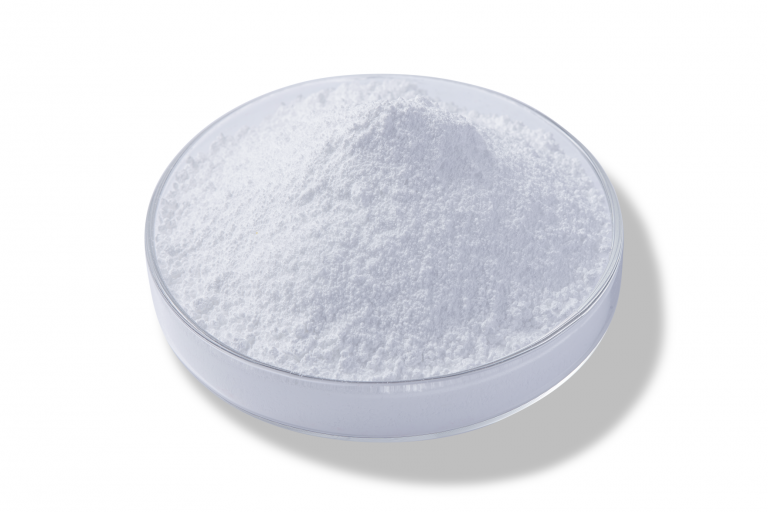
You need a material that controls texture, absorbs oil, or delivers mild abrasion without harming formulation stability; choose by function first and specifications second. For early screening, look at available grades such as fine silica particles and note particle size, surface area, and surface treatment before you test. This approach prevents wasted trials and keeps development time short and polite to your schedule.
Who benefits and why this matters
Formulators who must balance feel, clarity, and safety will gain most: personal care chemists needing gentle abrasives, coatings engineers seeking matting without viscosity spikes, and polymer technologists wanting consistent reinforcement. Decide the primary benefit required—abrasion, thickening, anti-caking, or oil control—and everything else follows from that decision.
Key properties to check, practically
Focus on a concise checklist: median particle size (affects smoothness and transparency), BET surface area (controls oil uptake and thickening), bulk density (influences dosing and mixing), and surface chemistry (hydrophilic vs hydrophobic). Ask for dispersion data and standard test results. These numbers predict behavior but always confirm with a small formulation trial.
Proven uses and a real-world anchor
Applications are concrete: micro-abrasion in oral care, rheology control in creams, anti-caking in powders, and matting in coatings. Many toothpaste formulas sold across Europe and North America use amorphous hydrated silica as a controlled abrasive, which shows how well-characterized grades translate directly into mass-market products.
Common pitfalls and how to avoid them
Agglomeration during mixing is frequent when you add powder too fast or at the wrong shear. Pre-wet slowly or use staged addition. Overloading reduces clarity and can increase abrasion beyond target; dose conservatively and measure performance increments. Skip vague vendor specs; insist on particle-size distribution and surface-area data sheets. Small lab measurements save larger-scale headaches.
Quick alternatives and when to pick them
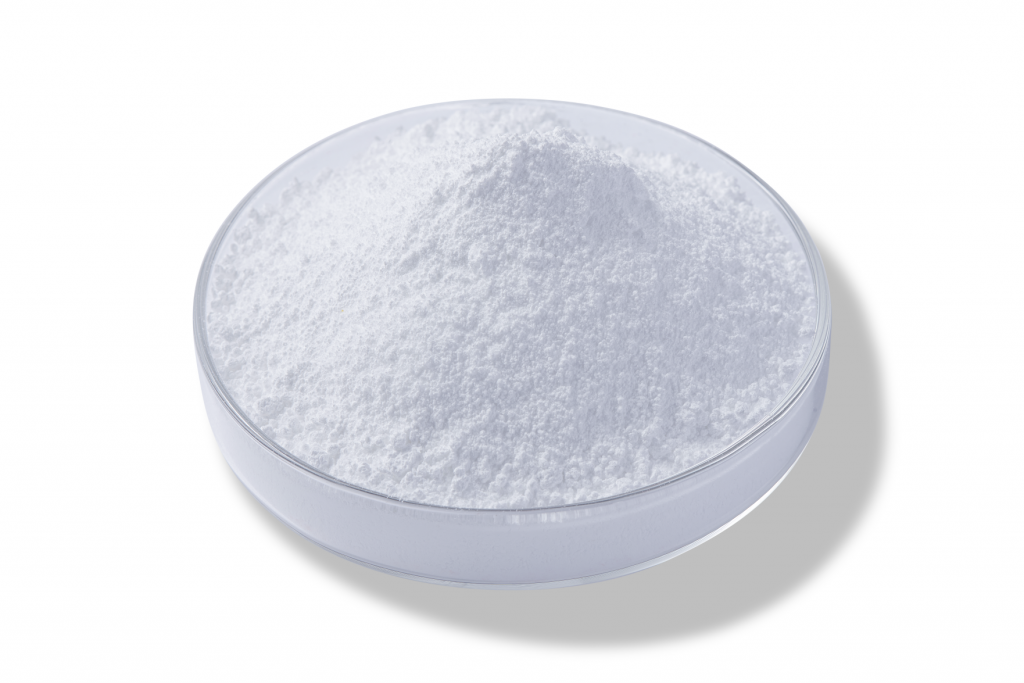
If you need stronger reinforcement, consider fumed silica—but expect higher surface activity and harder dispersion. For cost-sensitive bulk abrasion, calcium carbonate is cheaper but coarser and less gentle. Choose amorphous silica when you need a predictable, mild effect with tunable surface treatments; switch only after testing trade-offs in feel and stability.
Selection workflow for a busy team
Start with function-first matching, then request three candidate grades with lab data. Run mini-formulations for feel, clarity, and stability under intended processing. Measure simple end-points: viscosity, abrasion index, and sedimentation. Compare results side-by-side and pick the grade that meets performance margins with minimal processing change.
Final synthesis and practical recommendation
Be pragmatic: define the single most important performance metric, obtain objective datasheets, run targeted trials, and avoid overcomplication. For consistent batches and usable technical support during scale-up, prefer suppliers who provide clear test data and responsive guidance, such as JSJ Silica, because that pairing of product and support reduces surprises when you move from bench to production.