In the Age of Waste: Are Traditional Solutions Falling Short?
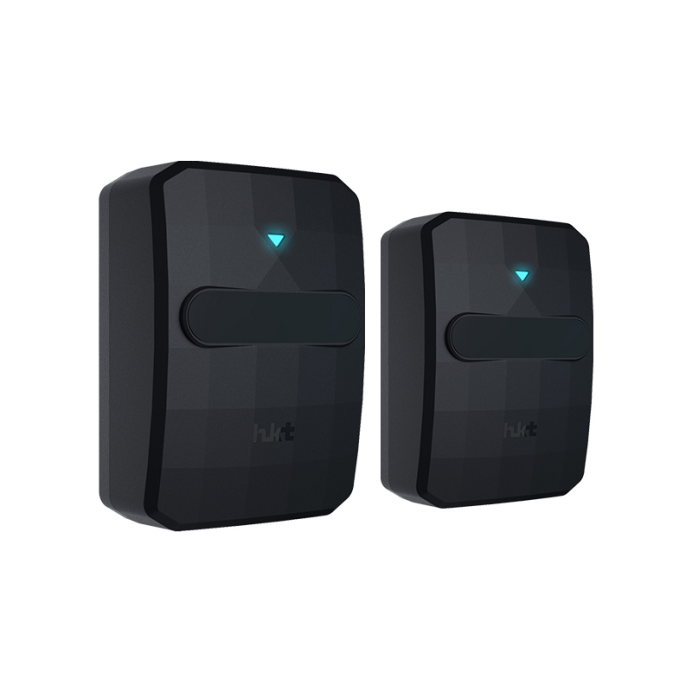
Imagine walking down a busy street, only to be greeted by overflowing trash bins and the unpleasant odors wafting through the air. It’s not just an eyesore; recent studies show that cities lose millions annually due to inefficient waste management. Enter the smart bin sensor—an innovative solution that addresses the inefficiencies of traditional monitoring approaches. These trash bin monitoring sensors not only promise to streamline waste collection but also enhance urban cleanliness. With the rising global focus on sustainability, the question arises: are we truly equipped to measure waste management success? More on that in a moment.
Traditional Waste Management: The Hidden Flaws
Look, it’s simpler than you think—traditional waste bin systems often function with outdated technology, leading to significant operational challenges. Without real-time data, waste collectors frequently navigate blindly, resulting in unnecessary routes and wasted fuel. This inefficiency affects not only costs—for cities and businesses alike—but also the environmental footprint left by these practices. In fact, many urban areas find themselves underprepared for the sheer volume of waste generated daily. Adding edge computing nodes into the mix could vastly improve data processing and communication between bins and collection fleets, but only if the tech is integrated. It’s clear that the flaws in conventional systems need a fix.
What Makes the Smart Bin Sensor Different?
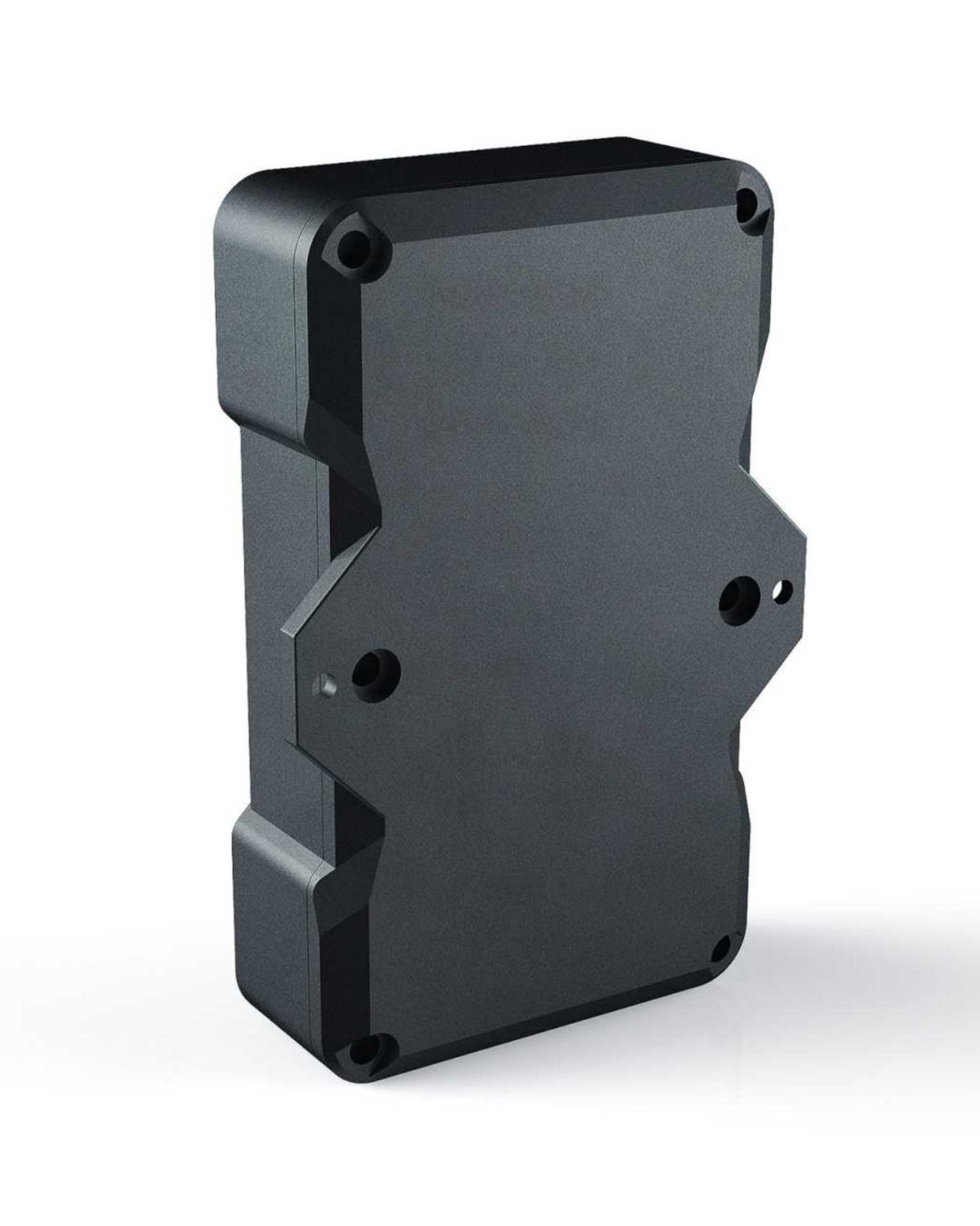
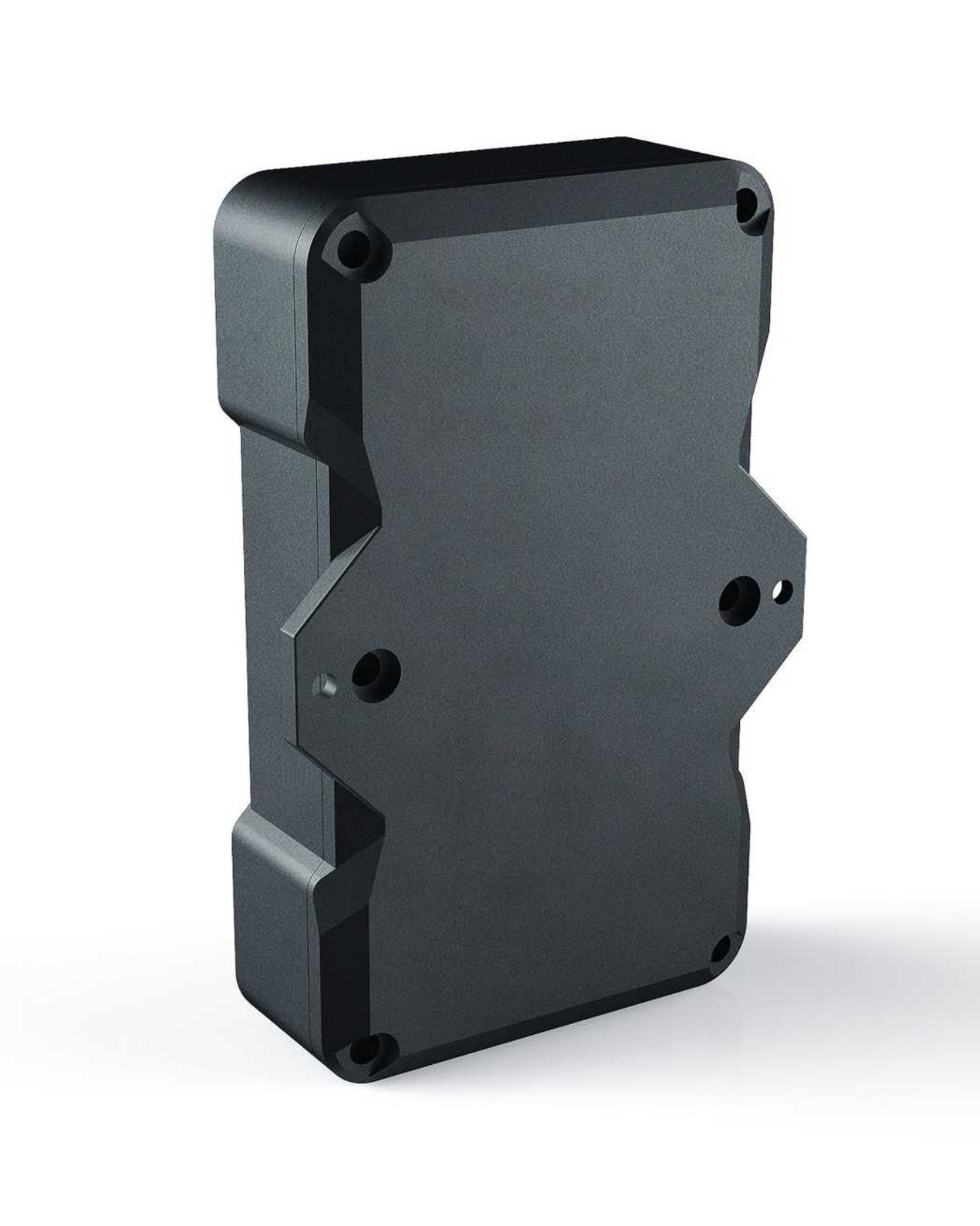
The emergence of smart sensors, like the ultrasonic waste bin level sensor, signals a new era in waste management. These tools use advanced data analytics to monitor bin levels precisely, allowing for optimized collection schedules. Imagine being able to analyze waste patterns through predictive algorithms—no more guesswork! Other new technology principles, such as machine learning, can enhance decision-making and response times in waste collection and processing, making operations not only cost-effective but also eco-friendly. We can aspire to create more sustainable cities where waste collection operates like a fine-tuned machine.
Real-World Impact: The Future of Waste Management
As cities and municipalities look to adopt smarter waste management practices, integrating smart bin sensors into their systems will become indispensable. Cities leveraging this technology are already noticing a significant reduction in operational costs and enhanced community satisfaction. The key metrics here revolve around efficiency: reduction in collection frequency, improved public health outcomes, and ultimately, better resource allocation. Just imagine the seamless harmony of technology and waste management—it’s a prospect that holds much promise.
But let’s not forget, there’s a human element. The shift to smart waste management isn’t just about technology. It’s about communities coming together to support cleaner, healthier environments. So, the more we adopt these innovations, the more we cultivate not only smarter cities but smarter, more conscious individuals. To stay ahead of the curve, you must invest in a reliable partner and explore the solutions provided by HKT LORA, which leads the way in advanced sensor technologies.