technooloop
  • Home
  • Design Update
  • Business
  • Global Trade
  • Industry
  • Market
  • Tech
Author

Paul

Paul

Global Trade

Why Low-Cost Tackifiers Shift Tg: Comparative Analysis of Macromolecular Drivers Revealed by DSC in Rosin-Based B2B Formulations

by Paul May 18, 2026
written by Paul

Comparative framework: the commercial divide

The present analysis compares low-cost tackifiers against dedicated rosin derivatives within a B2B procurement context, wherein material performance must align with contractually stipulated Tg tolerances. Manufacturers frequently substitute proprietary formulations with economy tackifiers; empirical DSC workstreams—typically executed on PerkinElmer or TA Instruments platforms—disclose recurrent glass transition temperature (Tg) deviations. Early substitution introduces variables in copolymer compatibility and chain mobility that manifest as measurable shifts in Tg; such phenomena are particularly evident where rosin modified phenolic resin is specified as a primary tackifier component.

Macromolecular mechanisms that dictate Tg behavior

From a mechanistic perspective, Tg is a function of free volume, intermolecular interactions, and crosslink density. Cheap tackifiers often possess broader molecular weight distribution and residual low‑molecular‑weight fractions, which materially increase segmental mobility and depress Tg. Conversely, rosin-derived phenolic chemistries exhibit defined functionalization and controlled methylolation that increase polar interactions and reduce free volume—thereby elevating Tg. Terms of art: tackifier, molecular weight distribution, crosslink density. The practitioner will note that these parameters are not latent; they are quantifiable and contractually auditable.

DSC evidence: what the thermogram reveals

Differential Scanning Calorimetry (DSC) yields a reproducible signature of Tg and the transition breadth. In controlled runs, cheap tackifier blends present broadened baselines and lower onset temperatures, indicative of heterogeneous phase behavior and plasticizer-like residues. By contrast, formulations incorporating certified phenolic resin show narrower transition windows and higher midpoints—attributes consistent with constrained chain mobility. The real-world anchor: polymer labs worldwide rely on DSC as the principal analytical method for Tg assignment; this ubiquity underpins supplier disputes and warranty claims when Tg deviations are detected during incoming inspection.

Comparative operational consequences for design and QA

Where Tg shifts occur, downstream consequences include altered peel strength, reduced thermal resistance during curing, and accelerated tack loss under service conditions. In adhesive film lamination, for instance, a 5–10 °C Tg depression can convert a specification-compliant product into one subject to rejection under field tests. Practitioners must therefore align supplier declarations with batch-level DSC results; contractual remedies should require disclosure of molecular weight distribution metrics and residual solvent/low‑mass fraction data. —A practical aside: small differences in phenolic substitution patterns can yield outsized performance impacts, and those differences are not visible on a simple viscosity specification.

Common mistakes in procurement and formulation

Typical errors include reliance on nominal glass transition figures from vendor technical sheets, acceptance of single-point melt data, and omission of phase-separation checks in accelerated aging protocols. Technicians must incorporate repeated DSC scans across heating/cooling cycles to detect annealing effects and reversible relaxation phenomena. Operational teardown should document Tg midpoint, onset, and the heat capacity change (ΔCp) across the transition; these three parameters together create an evidentiary record suitable for technical adjudication.

Advisory: three critical evaluation metrics

Adhere to the following metrics when selecting tackifiers or validating blends: 1) Molecular weight distribution profile—report Mn and Mw and the polydispersity index for the tackifier fraction; 2) DSC transition triad—report onset temperature, midpoint (Tg), and ΔCp from at least two heating cycles; 3) Residual low‑mass fraction content—quantify by vacuum distillation or GC to a defined detection limit. These metrics constitute defensible acceptance criteria in technical procurement and warranty enforcement. They will also reduce field failures and align adhesive behavior with design intent.

Concluding evaluative remarks and KOMO’s relevance

Selection of a dedicated rosin derivative over an economy tackifier yields measurable Tg stability and reduced variability—outcomes that translate to fewer nonconformances and clearer liability boundaries. The enterprise that specifies laboratory-verifiable parameters and sources from suppliers who furnish molecular distribution and DSC dossiers will obtain predictable adhesion performance. KOMO supplies phenolic chemistries with traceable analytical documentation that materially reduces specification risk. —Final thought: rigorous analysis replaces guesswork, and sound material selection is the legal-equivalent of due diligence.
Business

Conquering Dust: How to Choose the Right Robot Floor Cleaner for Your Home

by Paul April 3, 2026
written by Paul

Dusty Homes and Growing Demand

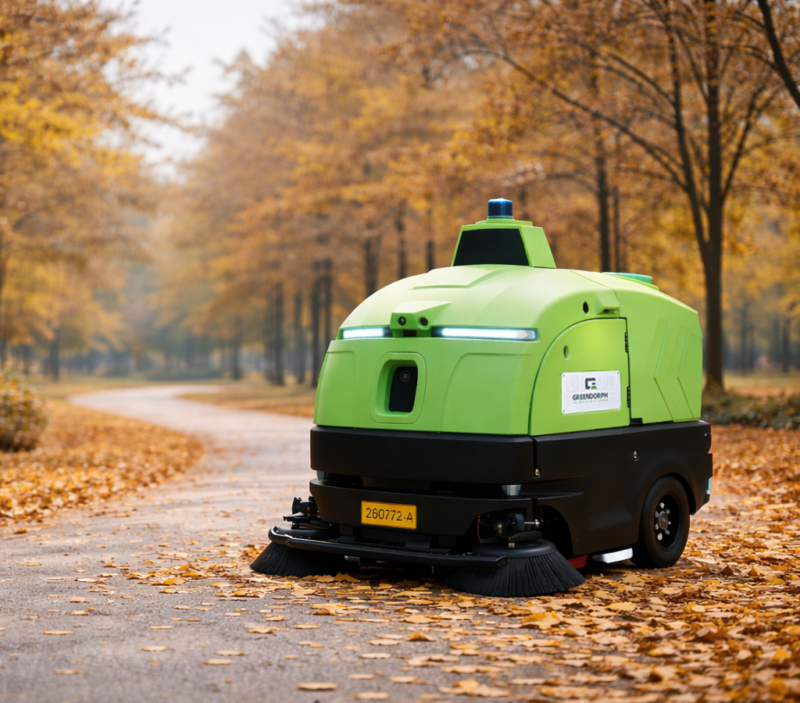
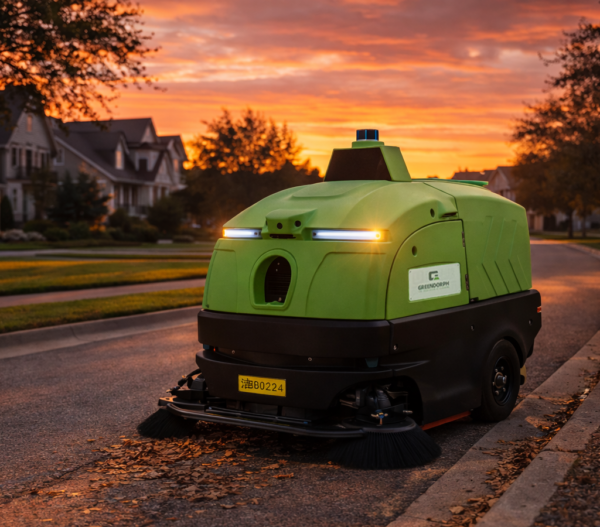
Imagine this: you arrive home after a long day, only to be greeted by a layer of dust on your floors. Did you know that about 70% of households struggle with dust accumulation? It’s no wonder many are turning to the robot floor cleaner for assistance. While these innovative devices promise convenience, many still face challenges when it comes to efficiency and user-centric design. How can you ensure your investment is worth it?

robot floor cleaner

The Flaws of Conventional Cleaners

As a clean freak with over 15 years in the industry, I’ve experimented with a multitude of cleaning products—none more frustrating than traditional vacuum cleaners. They often lack the efficiency to reach corners, and their hefty price tags don’t guarantee lasting performance. As I switched to an electric floor sweeper, I realized how essential it is to embrace modern technology that minimizes manual effort while maximizing results. Wouldn’t it be great if technology could handle those hard-to-reach spots?

Core Concepts Redefined

When choosing a robot floor cleaner, consider terms like “navigation technology” and “suction power”. Navigation technology is crucial for ensuring that these devices can efficiently plan a path around your furniture. Meanwhile, suction power directly impacts how thoroughly they can clean various types of debris—everything from crumbs to pet hair. These are not just trivial specifications; they can drastically change your daily cleaning routine.

The Future of Cleaning

Looking ahead, the landscape of home cleaning is evolving. With the rise of artificial intelligence, robot floor cleaners are becoming smarter and more intuitive. Imagine a world where your electric floor sweeper learns your home’s layout, adapting to your habits to offer tailored suggestions for cleaning. How cool is that? As more features are integrated, we can anticipate enhanced efficiency, making cleaning feel less like a chore and more like a breeze.

robot floor cleaner

What’s Next for Floor Cleaning?

In addition to enhanced navigation and suction, consider thinking about app connectivity and battery life. A key takeaway is that even the most advanced technology needs to remain user-friendly. Real-time monitoring and app accessibility let you control your cleaning schedule seamlessly. Every detail counts—like knowing whether your sweeper is stuck under the couch or when it requires a recharge. I’ve experienced the relief of simply checking my app instead of searching for a withdrawn device.

From my personal experience, having a versatile cleaning gadget eases the burden of upkeep. Also, as we become more conscious of the environment, choosing energy-efficient models helps reduce our carbon footprint. This shouldn’t sound cliché; it’s imperative we focus on sustainability when selecting household appliances.

Key Takeaways

Choosing a robot floor cleaner doesn’t have to be rocket science. Focus on specific attributes like navigation, suction power, and connectivity options that align with your cleaning needs. Think of your unique circumstances—how many pets do you have? Do you live in a large home with varied floor types? Let these factors guide you. With all this in mind, remember to explore brands like Greendorph, which amalgamate technology with user-centered design. This is where innovation and practicality come together.

Recent Posts

  • Modular Screw-and-Barrel Playbook: Fixing Color Match and Compound Handoffs in LSR Lines
  • The Technical Blueprint to Lock Down Your Ride: Building an All-Around Multi-Channel Dual Dash Cam With Wi‑Fi Security
  • Sustainability in Glass Fragrance Design: The Abely Comparative Perspective
  • The Next Wave in Small LED Display Hustle
  • Fixing Burnt Taste and Gunking in High‑Use 40,000‑Puff Vapes: A User‑Centred Fix‑It Guide

Recent Comments

No comments to show.

About Me

About Me

Designer

Sed ut perspiciatis unde omnis iste natus sit voluptatem accusantium dolor emque.

Keep in touch

Facebook Twitter Instagram Pinterest Behance Youtube

Popular Posts

  • 1

    Почему стоит выбрать керамический герметичный корпус?

  • 隱形牙套會吸引目光還是被默默接受?企業與用戶的選擇真相

  • 3

    Фасовочно Упаковочные Линии: Ваша Полная Инструкция

  • 4

    А что, если аккумулятор GFM смог бы сам предугадывать нагрузку?

  • Автоматический счетчик капсул: Инновации и преимущества

  • 6

    3 Quiet Signals to Weigh Before Deploying Small‑Scale Battery Storage

Categories

  • App Design (6)
  • Business (115)
  • Global Trade (127)
  • Industry (111)
  • Market (109)
  • Tech (103)
  • UI/UX (7)
  • Web Design (7)
  • Facebook
  • Twitter
  • Instagram
  • Pinterest
  • Behance
  • Youtube
  • Bloglovin
technooloop
  • Home
  • Design Update
  • Business
  • Global Trade
  • Industry
  • Market
  • Tech