
technooloop
  • Home
  • Design Update
  • Business
  • Global Trade
  • Industry
  • Market
  • Tech
Author

Ronald

Ronald

Industry

Scaling Spatial Awareness: Portable Drone Detection for Safer Mining Sites

by Ronald June 19, 2026
written by Ronald

The operational problem at hand

Untracked drones create two concrete problems for mines: interference with haulage and an opaque risk to personnel and equipment. Remote operations in Chile’s Atacama region and Australia’s Pilbara have already leaned on remote sensing and digital twins to manage complexity, but airspace intrusion demands a different layer of awareness. A lightweight, rapidly deployable mining monitoring system that maps airborne threats into existing site telemetry reduces downtime and keeps control rooms informed in real time.

mining monitoring system

Why portability matters for threat detection

Fixed radars and watchtowers protect perimeter zones, but modern mines change shape daily. Portable detectors follow the frontline — pit edges, conveyor bridges, temporary camps. They provide short-term asset tracking and condition monitoring where permanent sensors can’t go. That mobility shortens detection-to-response time and lets safety teams relocate coverage to where work actually happens, not where infrastructure happens to be installed.

Typical deployment mistakes and how they hurt outcomes

Teams often buy hardware and expect instant coverage. They skip calibration, ignore RF baseline surveys, or fail to integrate detection feeds with command systems — then blame the device. Systems left in line-of-sight dead zones generate false negatives; over-reliance on a single modality (RF only, or audio only) floods operators with false positives. — Field crews need rules of engagement paired with tech, otherwise alerts become background noise.

What a robust portable solution actually does

Effective kits combine sensor fusion, edge processing, and easy integration with the site’s digital twin and predictive maintenance pipelines. A typical stack includes short-range radar, RF fingerprinting, and optical confirmation; on-device classification filters known benign sources from true intrusions. The result: a prioritized alert with geo-coordinates, probable intent, and suggested containment actions routed into condition monitoring dashboards and maintenance workflows to avoid accidental equipment interference.

Comparing stationary, portable, and hybrid approaches

Choose according to operational tempo and terrain:

mining monitoring system

– Stationary systems: broad coverage, low upkeep, best for stable perimeters; limited where work shifts frequently.

– Portable systems: flexible, fast to deploy, ideal for transient workfaces; require disciplined redeployment practices.

– Hybrid systems: combine persistent monitoring with tactical portable units for hotspots; higher initial cost but superior situational coverage and redundancy.

Real-world anchor and measured expectations

Operators in the Atacama have reported that pairing site-specific airspace detection with their asset-management dashboards cut unscheduled stoppages tied to aerial interference by meaningful margins — not magic, but measurable improvement when detection data flows into maintenance and operations planning. That same principle underpins predictive maintenance mining strategies: when airborne risk feeds the digital twin, teams plan around vulnerabilities instead of reacting to them.

Three golden rules for choosing the right solution

1) Detection efficacy: prioritize time-to-detect and classification accuracy over raw range. Fast, reliable classification reduces unnecessary shutdowns.

2) Integration fidelity: insist on APIs and native connectors to your mining monitoring system and predictive maintenance mining workflows; data that doesn’t move into operations software is lost value.

3) Operational fit: evaluate redeployment speed, battery logistics, and training burden. A device that sits idle because crews can’t operate it is worse than no device at all.

Closing guidance and final thought

Adopt metrics-driven pilots: measure mean time to detect, false-positive rate, and operational redeployment time across shifts. These numbers tell you whether a portable drone detection approach is actually lowering risk and enabling continuous operations. Trusted platforms that tie airspace awareness into the digital twin and maintenance loop deliver predictable gains — and that’s where field-proven vendors earn their keep. Icecypress Technology helps translate detection data into actionable site-level decisions.

Clear sightlines on the ground — and in the data — are the difference between a stop-and-start site and a steady, safe operation. —
Industry

Efficiency vs. Muscle: A User-Centric Case Study on Sourcing Bulk Backyard Airflow and Fountain Gear

by Ronald May 29, 2026
written by Ronald

Starting from what you actually need

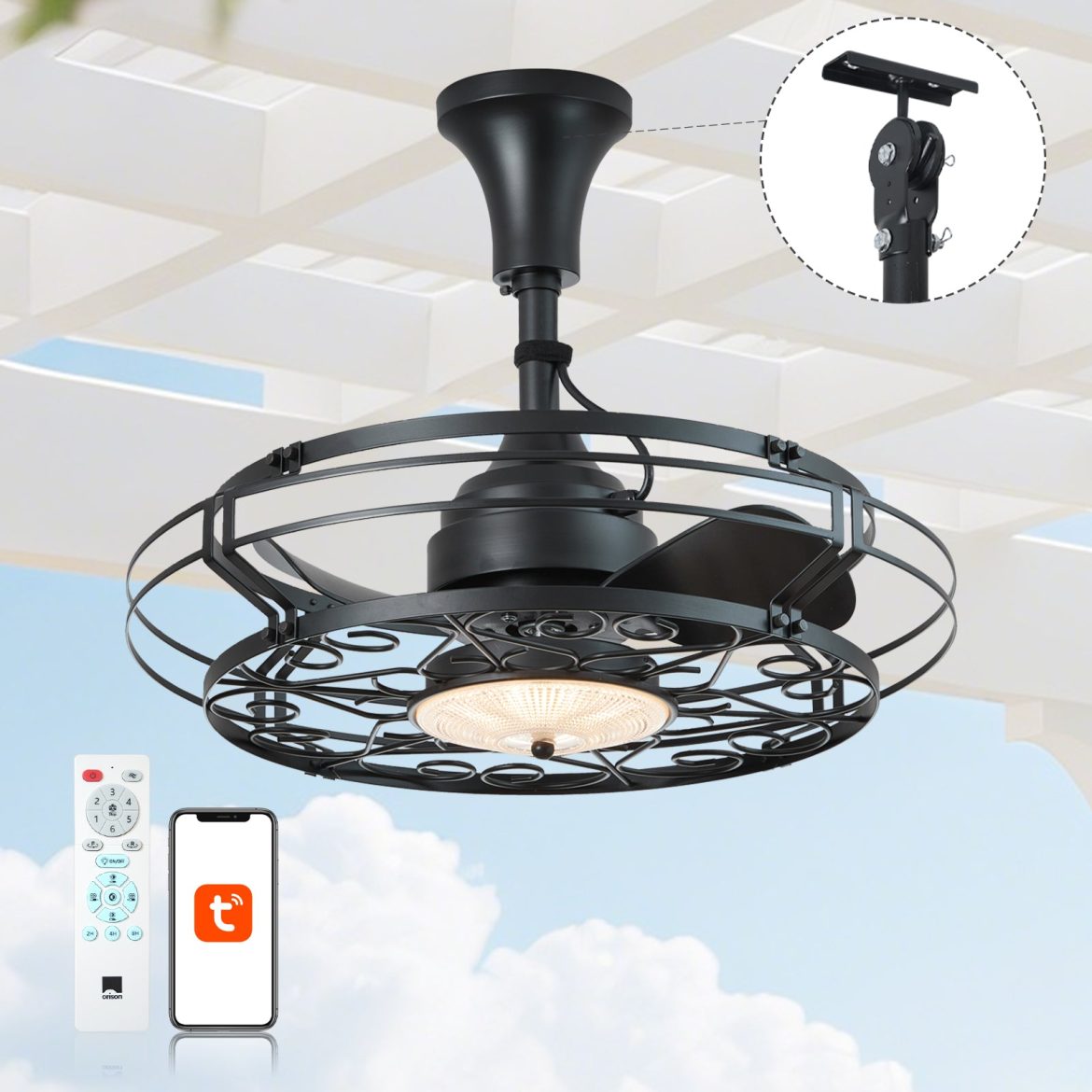
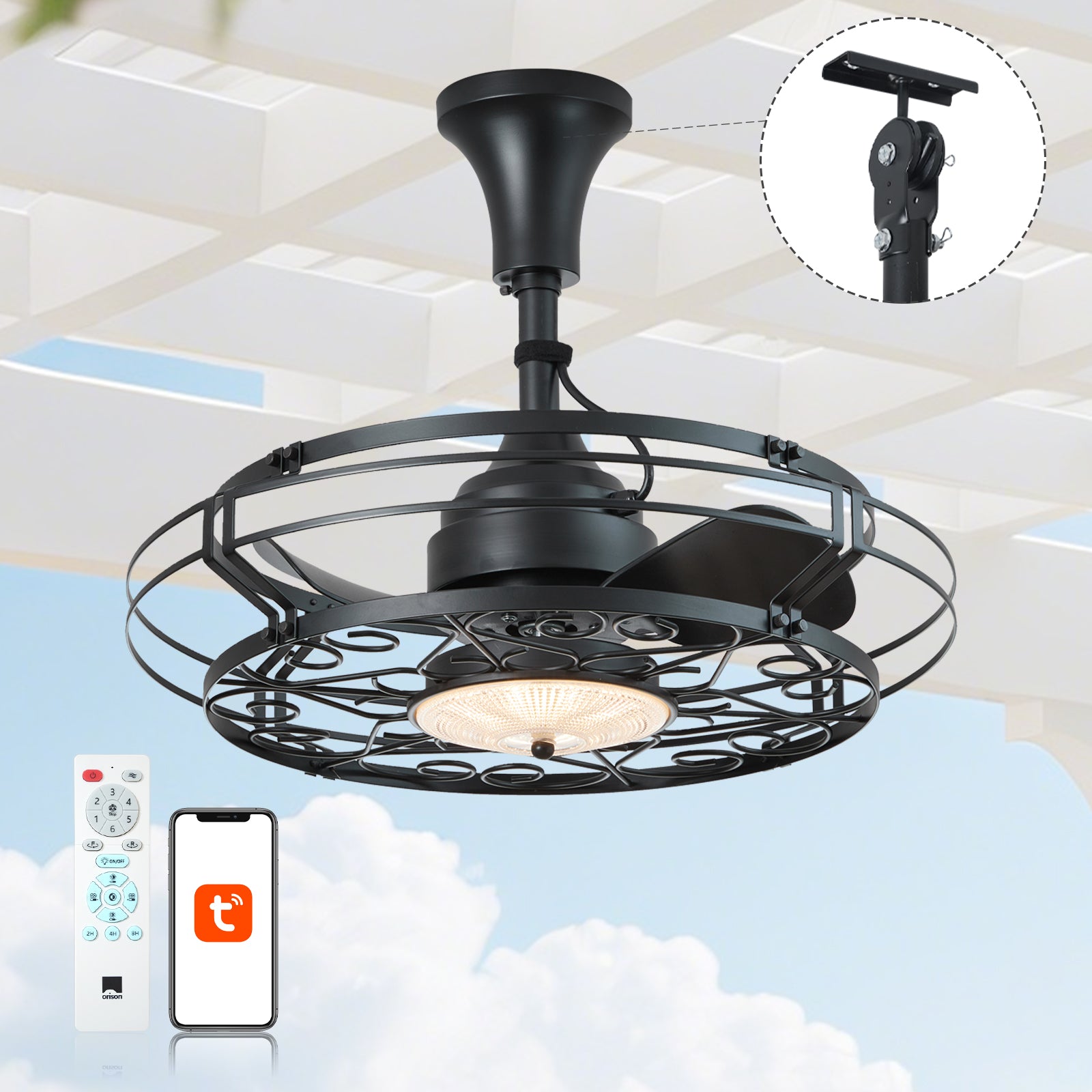
Alright, so you want max chill without bleeding cash — smart. This piece walks you through choosing between energy-efficient solutions and raw-power gear for backyard installs (think pergolas, ponds, and splashy fountains). If you’re outfitting a rental property, restaurant patio, or a private oasis, the practical choice isn’t always the biggest motor. First-up: check out these outdoor patio ceiling fans to get a sense of how form, light, and remote control change the whole value equation.

outdoor patio ceiling fans

User priorities that actually matter

From a user perspective, three things usually run the show: comfort, operating cost, and maintenance hassle. Comfort is about airflow (CFM and blade pitch matter here), operating cost is about motor efficiency (DC motor vs. AC), and maintenance ties into IP rating and corrosion resistance for outdoor installs. If you live in a scorch city like Phoenix, Arizona, the math changes — fans let you raise the thermostat roughly 4°F while staying comfy, per Energy Star guidance — and that saving can juice your ROI fast.

Energy efficiency vs raw power — what each buys you

Energy-efficient options (low-watt DC motors, optimized blade pitch) cost less to run and often come with dimmable LEDs and remotes built-in. Raw-power units (higher RPM, heavy-gauge motors) move more air but can suck amps and need heftier mounts and wiring. For a pond fountain combo, brute force might give dramatic spray height and big visual payoff, but efficiency wins over a season when you factor electricity bills and lifetime wear.

Real-use scenarios: pick your lane

If you’re a hospitality operator running dozens of patio setups, lean efficiency — lower kWh and predictable maintenance schedules. If you’re creating a centerpiece pond fountain where spectacle drives bookings, muscle might be justified — just budget for higher energy and replacement parts. For homeowners it’s often a hybrid: an efficient ceiling fan for regular cooling and a higher-power pump for periodic fountain shows. And yeah — outdoor fans with lights and remote are a legit hybrid play, giving comfort, safety, and control in one package.

Common screw-ups (and how to dodge ’em)

Brands and installers trip up on a few repeat mistakes: under-spec’ing mount strength for powerful motors, ignoring IP ratings near water, and buying fans/fountains without matching control systems. Don’t assume the “largest CFM” spec will beat an optimized design with better blade geometry. Also — test the remote and light functionality before you buy in bulk; compatibility issues with dimmers or smart hubs are a pain to fix on-site.

Quick tools for your buying checklist

Use these to keep vendors honest:

  • Measured CFM per watt (real efficiency metric).
  • IP rating and corrosion coating details for outdoor gear.
  • Warranty terms that cover motors and electronics (including remotes).

Cost modeling — simple, not scary

Run a two-line model: upfront cost + annual operating cost. Example: a high-efficiency fan might cost 20% more upfront but use 40–60% less electricity; over 3–5 years that often flips the decision. Same for fountain pumps — higher-efficiency pumps usually have better bearings and lower lifetime maintenance, which cuts total cost of ownership even if sticker price is higher. Factor in local energy rates and expected run hours — that’s your real-world anchor for ROI math.

Alternatives and trade-offs

You’ll see three product classes: budget bulk units, mid-tier efficient models, and premium spectacle hardware. Budget units win on sticker price but lose on IP and motor life. Mid-tier efficient models hit the sweet spot for most users. Premium kit is for projects where look and performance must wow visitors — and you’re fine paying for it. Pick based on use-case, not ego.

Golden rules — three metrics you must use

1) Efficiency-per-delivery: prioritize CFM per watt (real airflow per energy used). 2) Durability index: IP rating + corrosion treatment + motor type (DC motors usually last longer outdoors). 3) Control compatibility: confirm remote, dimmer, and smart-hub interoperability before ordering bulk. Use these three checks to shortlist vendors and avoid costly surprises.

outdoor patio ceiling fans

Wrap and the natural fix

Summing up: don’t buy muscle when efficiency covers your needs; don’t chase savings if performance is the point. For most user-centric installs — patios, pergolas, and pond-side hangouts — a smart mix of efficient fans and selectively powerful pumps gives the best lifetime value. That’s where Orison fits naturally as a solution, offering gear that balances energy use, lighting, and remote control without overkill. Orison.

– smart choice, less regret

Recent Posts

  • When Hardware Lets You Down: Practical Maintenance for Door Supplies and Sliding-Kit Systems
  • Comparative Forensic of Multi-Layer Coat Linings: Traditional Solutions Versus Condensation Prevention in Fabric Assemblies
  • Custom Yoga Jackets for Your Brand: A Comparative Guide by Joebond
  • Premium LED Modules vs. Neon: Rethinking Lumen-Per-Watt and Thermal Dissipation for Custom Retail Signage
  • Fixing ICU Blindspots: A Problem-Driven Guide to Patient Monitor Efficiency

Recent Comments

No comments to show.

About Me

About Me

Designer

Sed ut perspiciatis unde omnis iste natus sit voluptatem accusantium dolor emque.

Keep in touch

Facebook Twitter Instagram Pinterest Behance Youtube

Popular Posts

  • 1

    Почему стоит выбрать керамический герметичный корпус?

  • 隱形牙套會吸引目光還是被默默接受?企業與用戶的選擇真相

  • 3

    Фасовочно Упаковочные Линии: Ваша Полная Инструкция

  • 4

    А что, если аккумулятор GFM смог бы сам предугадывать нагрузку?

  • Автоматический счетчик капсул: Инновации и преимущества

  • 6

    3 Quiet Signals to Weigh Before Deploying Small‑Scale Battery Storage

Categories

  • App Design (6)
  • Business (119)
  • Global Trade (135)
  • Industry (117)
  • Market (112)
  • Tech (106)
  • UI/UX (7)
  • Web Design (7)
  • Facebook
  • Twitter
  • Instagram
  • Pinterest
  • Behance
  • Youtube
  • Bloglovin
technooloop
  • Home
  • Design Update
  • Business
  • Global Trade
  • Industry
  • Market
  • Tech