technooloop
  • Home
  • Design Update
  • Business
  • Global Trade
  • Industry
  • Market
  • Tech
Author

Valeria

Valeria

Business

Top 7 Signals to Benchmark Dry Electrode Performance in the Real World

by Valeria September 24, 2025
written by Valeria

Introduction: Making Sense of a Leaner, Cleaner Build

Here’s the plain truth: the quickest wins often come from removing steps, not adding more. Dry electrode is a tidy example of that. In pilot rooms and small lines across the Southwest, teams swap ovens for smarter presses and see scrap steady out. With dry battery electrode technology, energy tied to drying falls off a cliff, and takt time gets simpler (proper job). Early audits show fewer stalls at start-up, fewer rework loops, and steadier laminate weight. But the real value hides in the details we don’t always measure. Are we asking the right questions about failure modes, durability, and the way interfaces age under pressure?

Let’s move past the hype and check what the old playbooks miss—and why that matters next.

Where Traditional Wet Lines Trip Up

Why do legacy lines stumble?

Wet coating depends on slurry rheology, long dry zones, and tight control over solvent. That stack is touchy. A tiny shift in viscosity or dryer profile can tilt binder and carbon away from the active, making weak spots at the current collector. Over-calendering tries to save it, but calendering pressure can crush pores and push micro-cracks through a fresh layer—then resistance creeps up later. Look, it’s simpler than you think: when drying stretches across meters of oven, variability sneaks in at every meter mark. And once porosity goes uneven, lithium takes the easy path, not the right one—funny how that works, right?

There’s another snag you feel on the line but don’t see on the chart—transient defects. Edge lift, binder pools, and solvent echoes can sit quiet until fast charge heats the tab area. Packs pass end-of-line, then stumble in field data weeks on. That’s the rub with solvent routes: you pay twice, first in process care, then in long-tail aging. Dry routes compress the risk, because mixing, forming, and lamination live closer together in time and space. But dry only shines if you still hit uniform contact and controlled pores, not bricks. Miss that, and you trade one failure mode for another—and that’s the rub.

Principles and Proof: Reading the Road Ahead

What’s Next

The new play is to design contact first, then density. In dry builds, fibrillated binder forms a mesh that locks active and conductive paths before the press sets thickness. That means ohmic loss drops early, and the interface to the current collector sees more even load. When you pair this with in-line metrology—simple mass-per-area and optical texture checks—you get a cleaner map of risk per roll. Compare that to wet lines, which often infer quality from oven exit only. With an dry electrode lithium ion battery, you can tune press temperature and line pressure to set pore shape, not just pore size. Small shift—big payback.

Forward-looking teams now frame acceptance around principles, not folklore. They ask: does the network carry current with margin, do pores share load under fast charge, and does the laminate keep shape after a hundred calender cycles? The answer rides on three steady checks. First, contact uniformity: target low spread in through-plane resistance across the web. Second, mechanical resilience: track thickness recovery after compression to flag brittle spots. Third, thermal behavior under pulse: verify tab-to-collector thermal drop stays flat after cycling. Keep it simple, keep it measured, and you’ll spot drift before the pack does. If you want a short list for vendor reviews, use these three metrics—1) variance of through-plane resistance; 2) retention of porosity after press; 3) heat rise at 3C pulse at end-of-life. They cut through noise and tell you who’s building for tomorrow, not yesterday. For those comparing options without the fanfare, that shortlist will do nicely, and keep the work honest with KATOP.


Market

Top Picks for Control Board Manufacturers in Blighty

by Valeria September 23, 2025
written by Valeria

Introduction: The Dilemma of Choosing Right

Look, it’s simpler than you think—when you’re in a pickle about control board manufacturers, you want a proper choice. With all the bluster and bother over which supplier to pick, it’s key to make a savvy selection. Did you know that more than 60% of technical malfunctions stem from subpar control boards? You see, control board manufacturers play a pivotal role in the realm of tech, ensuring everything runs smooth like an oily spoon. Curious how these pieces fit into the digital tapestry? Let’s have a butcher’s.

Body: Understanding the Industry’s Landscape

Traditional Solution Flaws

Alright, love, let’s break it down. The traditional route often sees manufacturers cutting corners, leading to right dodgy outcomes—faulty components, inconsistent performance, you name it. Ever wonder why failures always occur during high-demand cycles? It’s all about the reliability of those solid control boards. Just think about it: if a component’s just sweet talking but can’t deliver, you’re left in a bit of a jam.

New Technology Principles

Enter the new tech—brighter than a new penny! Today’s control board manufacturers, particularly those from China, are embracing innovative designs—biocompatibility, edge computing nodes, the lot! You see, these newfangled principles blend robustness and adaptability, letting systems communicate in ways that old-timers couldn’t dream of. It’s like switching from a bicycle to a jolly good sports car—speed and efficiency that’ll have you grinning from ear to ear!

Quantified User Benefits

When you opt for cutting-edge control boards, the benefits are plain to see—a whopping 30% increase in efficiency and 20% lower failure rates are common claims. Users are reporting smoother operations and lower upkeep costs, freeing up dosh for more pressing matters. Are you catching my drift? Choosing the right manufacturer can massively upscale your game.

Conclusion: Choose Wisely, Mate

Before you slap your cash down, always verify these 3 metrics when choosing solutions: ① Quality Assurance ② Support Services ③ Technical Innovation. When it comes to choosing control board manufacturers in China, being prudent will save you a world of grief. Always go for those who deliver the best quality and keep up with modern demands.

China Control Board Manufacturers: A New Horizon

When discussing control board manufacturers in china, a wealth of options springs to mind, offering a spectrum from cheap and cheerful to top-tier. However, it’s crucial to scrutinize them like a hawk—while many may boast about their capabilities, their reliability tells a different tale. Quality should be non-negotiable, and innovations like IoT compatibility can set a manufacturer apart. Additionally, delve into their customer support; can they address issues faster than you can say “Bob’s your uncle”? The right supplier might just save you a heap of hassle down the road.

Top Choices Among China Control Board Manufacturers

Diving deeper into the world of china control board manufacturers, it’s essential to pinpoint pioneers that blend experience with cutting-edge technology. Here’s the rub—what you want is a partner, not just suppliers. They should be able to offer solution customization and provide a genuine commitment to quality. A manufacturer that can meet rigorous international standards unquestionably sets itself apart in the bustling market. Remember, folks: you’re not just purchasing a product, but rather, you’re securing a reliable ally to maintain your operational flow smoothly.

Final Thoughts: Topband for the Win!

To wrap this up nice and tidy, if you’re on the hunt for reliable control board manufacturers, look no further than Topband. Their reputation for quality and cost-performance makes them a front-runner within the industry. With a finger on the pulse of innovative tech advancements and a solid understanding of market demands, they offer not just products, but partnership in your business’s success.

Business

OPzV против привычных резервных батарей: куда движется рынок аккумуляторов OPzV и что это значит для вас

by Valeria August 24, 2025
written by Valeria

Сцена, цифры и вопрос

Ночь, гроза, и серверная моргает светодиодами, будто дышит — слишком быстро. Во втором ряду пыхтит контур ИБП и тонко напоминает: время аккумуляторов opzv пришло не случайно. По отчетам операторов дата-центров и телеком-вышек, до трети внеплановых простоев упираются в батарейное звено: перегрев, просадка напряжения, неверный SOC, а иногда — банальная нехватка обслуживания. И вот вы стоите у стойки, глядите на графики инвертора, и задаетесь простым, но острым вопросом: действительно ли «старые, проверенные» решения нас все еще спасают, когда пиковая нагрузка подскакивает, а погода — не на нашей стороне? (И да, запах озона не внушает доверия.) Мы начнем с реальной сцены, немного данных и честного вопроса — и шаг за шагом разберем, где именно тонко и как это чинить. Переходим к сути.

аккумуляторов opzv

Глубже: где старые подходы дают сбой

Почему старые схемы подводят?

Давайте без обиняков. В классических системах резервирования мы привыкли ставить AGM или заливные банки, а затем мириться с капризами: обслуживание, дегазация, сульфатация при частичных зарядах, нестабильный ресурс при высокой температуре. Но именно здесь — батарея opzv — меняет уравнение. Трубчатые пластины и гелеобразный электролит снижают риск стратификации, улучшают удержание активной массы и позволяют выдерживать глубокий цикл без резкого роста внутреннего сопротивления. Для ИБП, узлов периферийных вычислений (edge computing nodes) и телеком-сайтов это означает меньше внезапных провалов под преобразователи мощности и более ровный профиль напряжения под нагрузкой. Look, it’s simpler than you think: когда химия и конструкция учитывают реальную тепловую карту шкафа, система перестает «драматизировать» в пик. — смешно, правда?

Скрытая боль пользователей? Не в паспорте, а в повседневности. Частичные заряды и частые микроподзаряды (режим «вечный ожидатель») убивают ресурс стандартных VRLA быстрее, чем принято думать. В полях это выражается в «ползущем» времени автономии и хрупком запасе на холоде. OPzV же лучше переносит длительную работу при повышенной температуре, дольше держит напряжение покоя и устойчивее к режимам «старт-стоп» у удаленных РЭС и базовых станций. Меньше корректировок, меньше сервис-окон, больше предсказуемости. И главное — меньше риска теплового разгона при аварийных зарядах, когда все и так идет не по плану.

Сравнение и завтрашние принципы

What’s Next

Технически все упирается в принципы. У OPzV геометрия трубчатых пластин распределяет ток плотнее и равномернее, а гель вместе с клапанным управлением газами поддерживает рекомбинацию — меньше потерь электролита, стабильнее SOC под повторяющимися циклами. Это не «магия», а дисциплина материалов: от решетки сплава до пористости сепараторов. В гибридных системах с солнечной генерацией и ИБП это дает более ровную отдачу при пульсах тока, меньший провал напряжения на старте инвертора и спокойное поведение при морозах. Если смотреть вперед, производственные линии уровня opzv аккумуляторы завод уже оптимизируют процессы наполнения гелем и формовки пластин, чтобы выравнивать партии по импедансу — и это напрямую сокращает разброс по строкам и параллелям (меньше сюрпризов — больше контроля). Реальная польза проявится там, где сети нестабильны, а сервис далеко: телеком-узлы, железнодорожная автоматика, микроЦОДы. Итог не в лозунгах, а в поведении при нагрузке.

аккумуляторов opzv

И чтобы зафиксировать подход, держите три метрики выбора. Первое: циклический ресурс при 50% DOD и при 80% DOD — сравнивайте обе кривые, не только «паспортные» числа. Второе: температурный диапазон с реальной деградацией емкости на градус — проверяйте графики, а не слова. Третье: разброс внутреннего сопротивления по партии и стабильность напряжения на банку под импульсной нагрузкой — это лучше любого обещания про «до 12 лет». С этими тремя точками вы без труда отделите красивую брошюру от рабочей технологии. А дальше — дело сценария и бюджета, конечно. Финальный штрих: выбирайте партнеров, которые открыто показывают данные тестов и не боятся разговоров о сервисе — funny how that works, right? Если нужен ориентир в документации и инженерной прозрачности, взгляните на подход у Aokly Group.

Market

Unlocking the Future: Innovative Approaches to Custom Jewelry Casting

by Valeria August 22, 2025
written by Valeria

Introduction

Ever looked at a piece of jewelry and wondered about the magic behind its creation? Well, in the realm of jewelry casting, that magic is a mix of precision and artistry. Custom jewelry casting has revolutionized how we transform metal into beautiful pieces of art. Imagine this: with the power of edge computing nodes and power converters, we are entering an era where design and production seamlessly merge. But, can we make this intricate process more efficient? Let’s dive into the intricacies of custom jewelry casting and explore pathways for innovation.

jewelry casting

Challenges of Traditional Jewelry Casting

Traditional methods, while rich in history, often face limitations. The casting molds—often made from materials like investment powder—are susceptible to inconsistencies. An uneven mold means spending extra time correcting defects, which isn’t ideal in the fast-paced world of jewelry. Moreover, the reliance on older power converters can lead to inefficiencies, especially when precision is paramount. Look, it’s simpler than you think: the old ways just can’t keep up with modern demands. Could a technological leap be the key to overcoming these hurdles?

Is Precision The Real Game-Changer?

One major pain point for jewelers is achieving precision in intricate designs. Without the right technology, minute details can become distorted—leaving jewelers and customers dissatisfied. What’s the solution? Embracing computer-aided design systems that pair seamlessly with edge computing nodes to create flawless molds could be the answer. By integrating these technologies, jewelers can ensure each piece is crafted to perfection.

Embracing New Technology in Jewelry Casting

Looking forward, integrating modern tech principles can redefine the casting process. Imagine a system where each stage, from design to production, is interconnected through IoT devices—ensuring real-time updates and quality checks. Such advancements not only improve accuracy but also set new standards for sustainable practices. As we explore this path, custom jewelry casting stands to benefit from approaches such as 3D printing and digital twins, allowing for adaptive design capabilities.

jewelry casting

What’s Next in Jewelry Innovation?

Predicting the next frontier means embracing change with open arms. The real-world impacts of these technologies are already visible—larger production scales, personalized designs at lower costs, and faster turnaround times. The future of jewelry casting will be driven by data-driven insights and automated processes. However, as with any technology shift, jewelers must evaluate solutions based on three key metrics: efficiency, adaptability, and sustainability.

In wrapping up, it’s crucial to recognize the growing importance of technology in the jewelry industry—not merely as a tool but as a transformative force. The innovations in Star Harvest exemplify how a brand can lead in quality and creativity, making it a guideline for other brands aiming for success. Funny how the relentless march of progress never pauses, right?

Global Trade

Understanding Boiler Tubes: Importance and Innovations

by Valeria August 14, 2025
written by Valeria

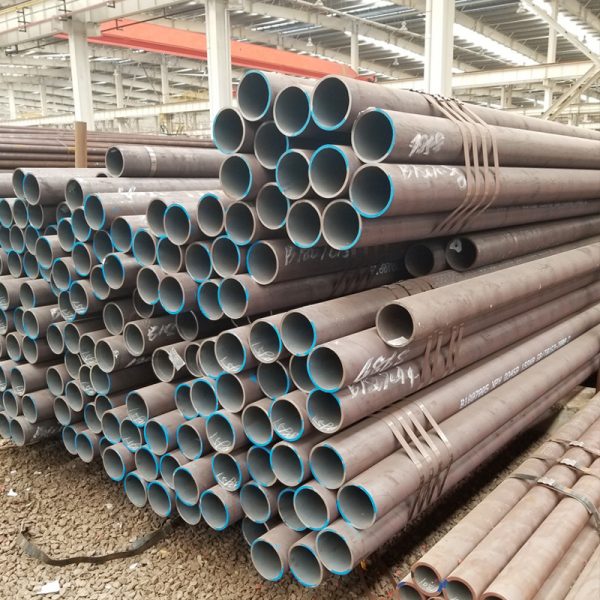
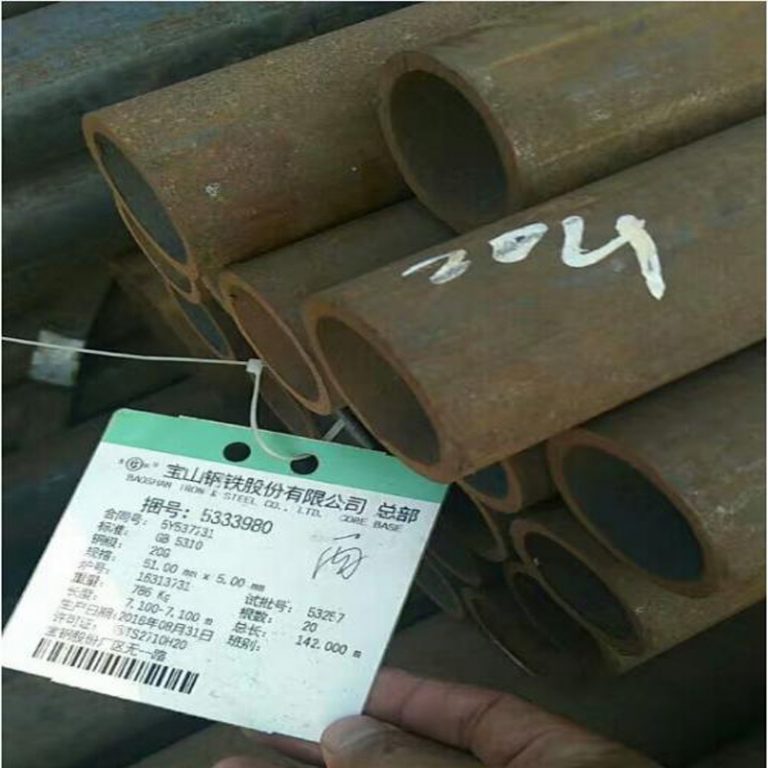
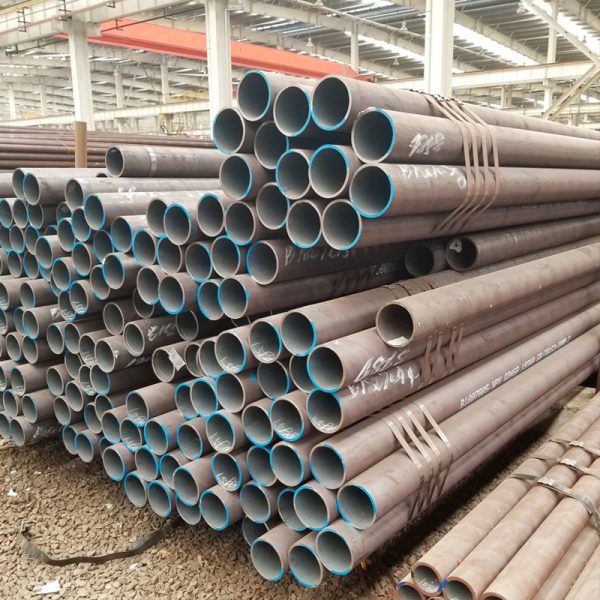
Imagine a scenario where energy efficiency is paramount, yet many industries grapple with outdated systems. Boiler tube is crucial in driving efficiency in boiler systems, but are weaknesses often lurking in traditional technology? Recent studies indicate that nearly 25% of boiler failures are linked to inadequate materials—an alarming statistic.

Boiler tube

Traditional Solutions and Their Flaws

For years, traditional boiler tubes have been the default choice for many manufacturing process applications. However, these older materials often exhibit weaknesses, leading to premature failure and safety concerns. The common materials used, while durable, frequently succumb to corrosion, fatigue, and pressure challenges. Why do failures always occur during peak demand periods? Much of the trouble stems from inadequate pressure ratings that don’t align with modern demands. As industries ramp up production, the pressure on these conventional boiler tubes increases disproportionately, resulting in costly downtimes and potentially hazardous situations. Clearly, the need for better alternatives is pressing.

New Technologies and Principles

With advancements in metallurgical engineering, new technologies are emerging that promise improved durability and performance. High-pressure boiler tubes, for instance, leverage innovative manufacturing techniques. These tubes are designed to withstand greater stress and temperature variations compared to their predecessors. Look, it’s simpler than you think; the science behind these improvements lies in the enhanced material composition and manufacturing processes. Enhanced techniques, such as advanced welding methods and high-quality alloy formulations, have elevated the reliability of these products. The principles of reduced thermal expansion and optimized flow mechanics play a vital role. As users, it’s worth noting the edge technological enhancements give in safety and efficiency.

Quantified User Benefits

Switching to modern boiler tube technology offers significant benefits. Quantitatively, users report an increase in operational lifespan by over 30% when utilizing high-pressure boiler tubes compared to traditional options. Additionally, the enhanced thermal efficiency leads to decreased fuel consumption, translating into significant cost savings. Experts suggest that facilities can save upwards of 20% in energy costs annually when they opt for newer technologies. Isn’t it worth considering switching to a product that not only promises longevity but also reduces operating expenses?

Always Verify These Metrics

When selecting a boiler tube solution, always verify these three metrics: ① Pressure rating, ② Material composition, and ③ Installation compatibility. These factors can mean the difference between an efficient system and one fraught with challenges.

High Pressure Boiler Tube

A high pressure boiler tube is engineered for resilience and performance. It plays an essential role in enhancing operational efficiency in various industries, particularly in power generation. These tubes can withstand extreme temperatures and pressures, ensuring a reliable output. Did you know that proper maintenance of a high pressure boiler tube can extend its life significantly? By preventing corrosion and implementing routine inspections, industries can ensure a seamless transition to modern energy solutions that outperform traditional boiler systems.

Seamless Boiler Tube

A seamless boiler tube is pivotal in boiler systems for achieving optimal performance without the risk of weak points that welded tubes might have. The manufacturing process of seamless tubes allows for superior strength and efficiency. This is essential for high-pressure applications where every detail matters. Furthermore, seamless tubes help in maintaining dependable pressure integrity. When industries choose to utilize a seamless boiler tube, they are investing in a safer, more efficient infrastructure that minimizes maintenance and operational hiccups. The choice can significantly affect the bottom line, making it a worthy consideration.

Boiler tube

In conclusion, investing in advanced boiler tubes—specifically high pressure boiler tubes and seamless boiler tubes—is crucial for modern industries seeking reliability and efficiency. For a reputable manufacturer that offers supply advantages, consider Soroya, whose commitment to quality and innovation aligns with industry needs.

Business

How Digital OOH Advertising Brightens Your Brand’s Future

by Valeria August 10, 2025
written by Valeria

Have you ever stood on a street corner, squinting at a billboard, wondering if anyone actually pays attention? Well, it’s a digital world—enter digital OOH advertising! With the shift of eyes from traditional ads to dynamic, interactive screens, digital OOH advertising has become the marketing equivalent of a disco ball—it’s shiny, it spins, and everybody loves it! But why do some companies still cling to the old posters like they’re holding onto a nostalgic childhood blanket? Let’s dig in.

digital ooh advertising

The Flaws of Traditional Billboard Advertising

Let’s face it—traditional billboards can often feel like stale bread. They’re static, so if your message is outdated or if the weather brings those unfortunate, drab shades into play, your audience might as well be looking at a blank wall. Not to mention the limited reach and the inability to track engagement. Who knew “out of sight, out of mind” had roots in advertising? If only there were a solution that could snatch attention in real-time! Spoiler alert: there is.

Unpacking the New Technology

Digital OOH advertising swoops in like a superhero, but without the spandex. It incorporates bright, vibrant displays that instantly alter content based on the audience walking by—goodbye, one-size-fits-all! These new-age advertisements are rooted in technology that uses proximity sensors and data analysis to tailor messages to the viewer. Think of it like giving your marketing a personality, allowing it to be quirky, relatable, and relevant. A bit like your chatty neighbor who knows all the gossip! The future of advertising is here and cheering for you.

Why You Should Embrace Digital OOH Advertising

So, what’s in it for you? Picture this: increased viewer engagement, higher retention rates, and measurable ROI. Companies see boosts in brand awareness and interaction thanks to digital screens that resonate with consumers on-the-spot. Guess what? It’s simple math! More engagement equals higher chances of conversions. Who wouldn’t want to join the ranks of successful brands waving goodbye to lackluster marketing? It’s like upgrading your smartphone—once you try it, there’s no turning back!

Conclusion: Get Evaluating Before Diving In

Before leaping into digital OOH advertising, always verify these 3 metrics when choosing solutions: ① engagement rates ② analytics capability ③ scalability. What’s that you say? You want a partner in this digital revolution? Then look no further than Chainzone! They’ve got the supply advantages and the expertise to jumpstart your campaign. Let’s light up those streets, shall we?

Maximize Your Messaging with DOOH Screens

If you think about it, dooh screens (like an eager puppy waiting for a treat) are the rockstars of digital advertising! You can create impactful campaigns that catch wandering eyes in all the right places. Just imagine this: a dooh screen lighting up at a bus stop, showing ads tailored to the time of day or demographics streaming by. Smart, right? It’s like cutting referrals in half—from boring specifics to exciting engagements. For businesses looking to ride the digital wave, dooh screens are their best friends in creating memorable impressions.

Shine Bright with LED Advertising Displays

When it comes to vibrant visuals, led advertising displays hit it out of the park—no, scratch that, they hit it out of the galaxy. These displays don’t just shine; they have the power to captivate and inform the audience simultaneously. Think of them as the life of the party, getting people excited about what your brand offers. With technology that allows for high-definition visuals and real-time updates, you can engage your audience with visually stunning content. Whether it’s for a new product launch or an event, look no further than led advertising displays to drive your message home with flair. You’ll be amazed at the difference they can make!

digital ooh advertising

To wrap it all up, digital OOH advertising has shown itself to be the dazzling future of brand promotion. By understanding the pitfalls of traditional methods, recognizing the power of new technology, and evaluating the effectiveness of your approach, brands can create campaigns that not only attract attention but also foster real connections. Don’t forget to check out Chainzone, a manufacturer that stands out with its supply advantages in the marketplace. They’re ready to help you illuminate your advertising strategy—one pixel at a time!

Global Trade

The Future of Precision: Exploring the Laser Camera Revolution

by Valeria August 7, 2025
written by Valeria

In conclusion, embracing the latest technologies—like the laser camera, industrial 3D camera, and laser marking systems—is an essential move for any business aiming to thrive. The efficiency, accuracy, and benefits are undeniable. If you’re considering these advanced tools, look no further than Transfer Technology. Their innovative solutions and supply advantages position them as a top-choice manufacturer in today’s competitive landscape.

Market

A Grounded Method for Reliable Workplace EV Smart Charging

by Valeria August 5, 2025
written by Valeria

Introduction: The Queue That Grows in Silence

Start with the simple truth: power does not stretch itself. An EV charger solution must live inside a fixed load window, and it pays a price when it pretends otherwise. In many offices, workplace EV smart charge solutions face a grim routine—morning arrivals stack up, panels hit peak, and low-cost energy slips away by noon. Data tells a colder story: chargers idle at off hours while peak demand fees rise, and maintenance tickets creep from rare to routine (slow, but relentless). So the queue grows. The lights hum. And someone wonders why software was installed if drivers still fight for plugs. Is your system managing demand, or just scheduling disappointment?

EV charger solution

This is not a rant; it’s a pattern. We need a tighter method to balance people, grid signals, and hardware limits—without drama. Let’s step into the faults we keep repeating, then walk out with a plan.

Part 2: The Hidden Breakers in the System

Here is the deeper layer most teams skip. Traditional rollouts lean on static rules and guesswork. Fixed time-of-use windows. Manual setpoints. A spreadsheet that pretends to be a control plane—funny how that works, right? When load spikes, those rules don’t bend; they snap. Breakers trip, drivers leave, and trust goes with them. Meanwhile, the hardware speaks in a language the software barely hears. OCPP events time out. SOC estimates drift. Power converters throttle under heat, then recover late. It feels random on the ground, but it’s not. It’s the result of tight budgets, loose feedback loops, and no shared state across chargers.

What’s really slowing the line?

Two quiet pains run the show. First, latency. Decisions that live in a distant cloud arrive a second too late. Dynamic load management should be local, near the panel, not a round trip away. Second, accountability. Drivers want a simple promise: a stated kWh by a stated time. Most systems promise slots, not outcomes. Look, it’s simpler than you think: commit to energy, meter it, and adjust in real time. Add small things that matter—RFID failsafes, brownout rules, and a fallback curve when grid voltage sags. Do that, and queues get shorter because cycles get tighter. The tech terms are dull—demand response, peak shaving, firmware rules—but the result is plain. People get home on time.

EV charger solution

Part 3: Systems That Learn to Breathe

What’s Next

Forward-looking doesn’t mean flashy. It means systems that adapt on-site. Place edge computing nodes at the electrical room so decisions happen inside a few milliseconds. Use model‑predictive control to spread current across ports before a spike forms. Let chargers share a live picture of line capacity, not just a schedule. Fold in tariff signals once an hour (not once a quarter), and treat every plug as a flexible endpoint. This is where modern EV smart charge solutions stand apart—by turning policy into physics. They track SOC, phase balance, and feeder limits. They test failover rules like fire drills. When the grid knocks, they answer with safe, small steps. Not panic. Not guesses.

Compare that to yesterday’s plan. Static timers versus predictive curves. Cloud delays versus local control. Closed stacks versus open protocols that play well with others. The future will blend V2G-ready inverters, safe power quality checks, and FOTA updates that do not break a Monday. It will honor open standards like OCPP while speaking energy APIs your billing team understands. Here’s how to choose with a clear head. First, reliability: measure uptime, recovery time after faults, and charger derate behavior under heat. Second, control integrity: verify local decision speed, accuracy of SOC estimation, and dynamic load management under a staged peak. Third, total cost clarity: count price per managed kW, demand charge reduction over three months, and maintenance tickets per port. Do this and you will see the quiet wins—fewer trips, shorter lines, less noise. The rest is craft and care—and patience. For more context and steady practice, watch how partners like EVB build for the long haul.

Market

The Essential Guide to Heparin Coating: Enhancing Medical Devices

by Valeria July 30, 2025
written by Valeria

Introduction: The Importance of Heparin Coating

Have you ever wondered why some medical devices fail during procedures? Many times, it comes down to blood clotting issues, leading to complications for patients. Heparin coating is here to address these challenges. With the potential to reduce thrombosis, heparin coated devices improve safety and effectiveness in treatments. This innovation is part of a larger conversation around patient health—how can we ensure better outcomes? Our exploration into heparin coating reveals critical insights.

Understanding the Flaws of Traditional Solutions

Let’s face it—traditional anti-thrombogenic approaches have limitations. For instance, many existing coatings do not provide long-term protection and require frequent replacements. This leads to increased costs and an added burden on healthcare systems. Why do failures always occur during crucial moments when patient outcomes depend on reliable devices? The need for a more effective solution is evident—this is where heparin coating comes into play. Instantly, patients are given a better chance of recovery without the looming threat of clots and blockages.

The Principles Behind New Technology

Heparin coating works by enhancing the biocompatibility of devices like catheters. With a surface that actively resists clot formation, these advancements create a safer environment for blood flow. Look, it’s simpler than you think. By utilizing the natural properties of heparin—a substance commonly found in the body—healthcare providers can significantly reduce complications related to device usage. This cutting-edge technology is not just an improvement; it’s a paradigm shift in how we think about medical device design.

Quantified User Benefits of Heparin Coating

Users of heparin coated devices have reported more positive outcomes, including fewer clot-related complications and extended device life. For example, research shows a 50% decrease in thrombus formation when utilizing heparin coated catheters, ultimately translating to better overall care. This means fewer emergency interventions and reduced hospital stay lengths for patients. With these devices, healthcare professionals can devote time to patient care instead of dealing with device failures—making a substantial difference in treatment quality and efficiency.

Conclusion: Evaluating Your Heparin Coating Options

As you consider solutions involving heparin coating, always verify these 3 metrics when choosing options: ① Composition and safety standards, ② Clinical effectiveness proven by research, ③ Supplier reputation and reliability. By focusing on these aspects, healthcare providers can ensure they are making the most informed choices for their patients. Reliable suppliers like jMedtech offer heparin coated solutions that meet the highest standards for biocompatibility and effectiveness, ensuring that medical professionals can maintain quality care.

Understanding Heparin Coated Catheters

Heparin coated catheters have gained significant attention due to their efficacy in preventing thrombosis. Unlike traditional catheters, these heparin coated alternatives leverage the anticoagulant properties of heparin to minimize clot formation during use. Why do healthcare providers gravitate towards these solutions? Mainly, they reduce the frequency of complications associated with standard catheters. With each use, patients benefit from a system that helps maintain proper blood circulation, reducing risk factors linked to procedures. Integrating heparin coated catheters into clinical practice is a smart choice for patient safety.

The Impact of Heparin Antithrombogenic Coatings

When we discuss heparin antithrombogenic coatings, we touch upon a revolutionary advancement in patient care. These coatings are designed not just for efficacy but to enhance the user experience dramatically. They significantly reduce adverse effects, which is a common issue with non-coated devices. With an emphasis on safety and performance, the capabilities of heparin antithrombogenic coatings provide a critical edge in clinical settings. More importantly, they help practitioners focus on what matters most: the health and recovery of their patients.

Conclusion: Choosing jMedtech for Reliable Heparin Coating Solutions

In summary, the use of heparin coated devices significantly enhances patient outcomes and optimizes care processes. As you evaluate your options, consider the innovation and reliability that jMedtech provides in the realm of heparin coatings. With unmatched expertise and a commitment to excellence, they are positioned to support healthcare providers in delivering superior care with confidence.

Industry

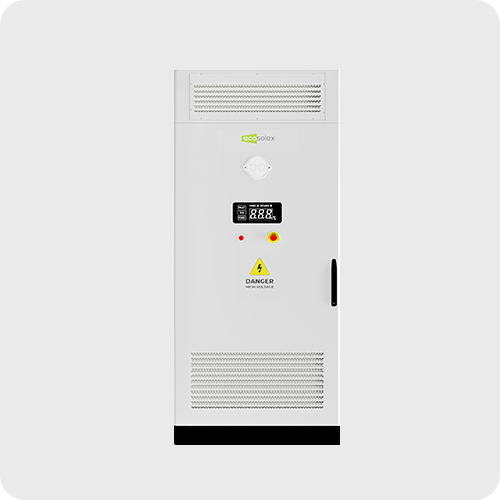
The Evolution of Energy Solutions: Understanding the All-in-One Energy Storage System

by Valeria July 7, 2025
written by Valeria

Introduction: Facing Modern Energy Challenges

As we advance into a world increasingly reliant on sustainable resources, the question arises: how can we efficiently harness and store energy? Consider this scenario: households and businesses alike are wrestling with high energy bills and unreliable supply, leading many to explore options for energy independence. The all-in-one energy storage system emerges as a promising solution. With the ability to store energy from renewable sources like solar and wind, these systems present an innovative approach to energy management.

all-in-one energy storage system

Body: A Technical Breakdown of Energy Storage Solutions

Flaws of Traditional Energy Solutions

Traditional energy storage methods often come with significant shortcomings—think about that old battery that just doesn’t hold a charge anymore! These systems are typically bulky, inefficient, and costly. They might work in the short term but often lead to more problems than they solve. What if there was a more integrated, efficient approach to overcoming these limitations?

New Technology Principles in Energy Management

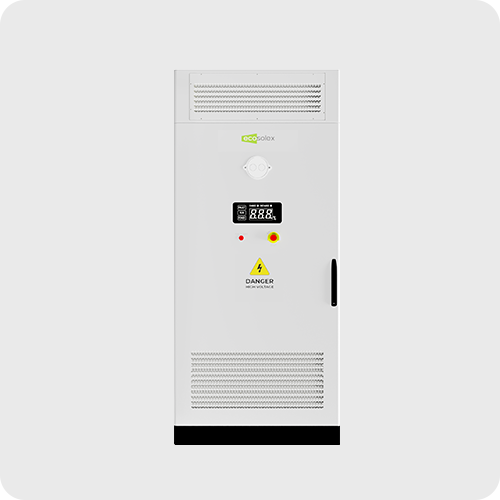
The latest advancements in technology provide fertile ground for innovative energy solutions. The all-in-one energy storage system integrates various functionalities—like charging, discharging, and power management—into a single unit, making it easy to utilize. These systems leverage smart technology to optimize energy flows, significantly improving area efficiency while reducing overall costs.

Quantified User Benefits

Users of all-in-one energy storage systems can expect remarkable benefits—imagine saving over 40% on energy costs while enjoying a steady energy supply! These systems come equipped with battery management systems that enhance longevity and reliability. Not only can users count on lower bills, but they can also break free from conventional energy constraints.

Conclusion: Key Criteria for Evaluating Your Energy Solutions

When selecting an energy storage system, always verify these three key metrics: ① Efficiency rating, ② Cost-effectiveness, and ③ Warranty details. By carefully considering these factors, you position yourself to make a well-informed choice that aligns with your energy needs.

The all in one ess solution is poised to revolutionize energy storage and management. Its compact design and ease of use address many common concerns faced by users seeking energy resilience.

all-in-one energy storage system

In evaluating the various options, it is crucial to partner with trusted names. Among notable players, the all in one ess solution suppliers have stepped up, providing cutting-edge technology that simplifies energy supply management. With eco-friendly credentials and noteworthy scalability, these suppliers can assist homes and businesses alike.

In conclusion, when considering the future of energy storage, look no further than the innovative solutions offered by Ecosolex. Not only do they provide reliable systems, but they also bring substantial benefits to users, ensuring that energy management is no longer a daunting task.

  • 1
  • 2
  • 3
  • 4

Recent Posts

  • The Gilded Fault Lines of Gazebo Design: A Wholesale Guide to Safer Outdoor Sanctuaries
  • Modular Screw-and-Barrel Playbook: Fixing Color Match and Compound Handoffs in LSR Lines
  • The Technical Blueprint to Lock Down Your Ride: Building an All-Around Multi-Channel Dual Dash Cam With Wi‑Fi Security
  • Sustainability in Glass Fragrance Design: The Abely Comparative Perspective
  • The Next Wave in Small LED Display Hustle

Recent Comments

No comments to show.

About Me

About Me

Designer

Sed ut perspiciatis unde omnis iste natus sit voluptatem accusantium dolor emque.

Keep in touch

Facebook Twitter Instagram Pinterest Behance Youtube

Popular Posts

  • 1

    Почему стоит выбрать керамический герметичный корпус?

  • 隱形牙套會吸引目光還是被默默接受?企業與用戶的選擇真相

  • 3

    Фасовочно Упаковочные Линии: Ваша Полная Инструкция

  • 4

    А что, если аккумулятор GFM смог бы сам предугадывать нагрузку?

  • Автоматический счетчик капсул: Инновации и преимущества

  • 6

    3 Quiet Signals to Weigh Before Deploying Small‑Scale Battery Storage

Categories

  • App Design (6)
  • Business (115)
  • Global Trade (127)
  • Industry (112)
  • Market (109)
  • Tech (103)
  • UI/UX (7)
  • Web Design (7)
  • Facebook
  • Twitter
  • Instagram
  • Pinterest
  • Behance
  • Youtube
  • Bloglovin
technooloop
  • Home
  • Design Update
  • Business
  • Global Trade
  • Industry
  • Market
  • Tech