technooloop
  • Home
  • Design Update
  • Business
  • Global Trade
  • Industry
  • Market
  • Tech
Author

Valeria

Valeria

Business

Comparative Methods for Tuning Grid-Scale Storage? A Pragmatic Guide

by Valeria December 15, 2025
written by Valeria

Introduction: When the Grid “Almost Works”

The grid never crashes, it just “under-delivers at scale.” During a heatwave, your lights flicker, the UPS gasps, and the SLA clock starts counting in bold red. The good news—energy storage solutions now sit on-site, promising backup, peak shaving, and fewer headaches. Last year, several regions posted double-digit rises in outage minutes per customer, while demand spikes pushed feeder lines into the red—funny how that works, right? So why do the same outages keep biting after we buy bigger batteries, faster inverters, and more dashboards (with more blinking lights)?

This isn’t about capacity alone. It’s about control logic, dispatch timing, and the messy bits between meters and markets. Let’s compare what you were told would happen against what actually happens—and why.

Beyond the Basics: What the Old Playbook Isn’t Telling You

What did we miss?

In Part 1, we mapped the basics—cells, inverter stages, BMS roles, charge windows, and site load shapes. Now for the quiet failures. Traditional rollouts assume that “more kWh fixes more problems.” It doesn’t. If power converters trip on harmonics at the wrong millisecond, your “backup” misses the handoff. If microgrid controllers and battery management systems (BMS) speak past each other, state of charge (SoC) drifts, and your reserve evaporates right before the demand charge peak. Look, it’s simpler than you think: control beats capacity when volatility is high.

User pain points hide in plain sight. Commissioning sprints leave inverter firmware a version behind. Alerts flood operators until they mute the channel, then miss the real fault. Edge computing nodes get bolted on after the fact, so latency steals the price signal, and you sell into the wrong five-minute interval. Meanwhile, “round-trip efficiency” on paper ignores HVAC parasitics and idle draw; lifecycle costs balloon while the CFO wonders where the savings went. Even when the stack works, dispatch rules may chase the wholesale market and then lose at the meter because local tariffs bind tighter than expected. Old playbook, meet modern chaos.

Shifting the Lens: Principles That Actually Change Outcomes

What’s Next

Forward-looking systems stop treating storage as a big bucket and start treating it as a fast, local decision engine. That means grid-forming inverters with adaptive droop, dispatch models that target net-load shape first, and micro-optimizers at the string level. It also means edge-resident forecasts that learn your site’s rhythm—right down to the chiller’s lunch break—and fuse them with market signals. When energy storage solutions use event-driven control, they hold SoC for the peaks that actually arrive, not the ones a spreadsheet guessed last quarter. Add digital twins to test tariff changes before you flip a breaker, and open standards (SunSpec, IEEE 2030.5) to keep vendors honest. This is where microgrid controllers, power converters, and BMS stop fighting and start coordinating— and no, it’s not magic.

What does that look like on the ground? A retail campus trims demand charges with precise peak shaving, then pivots to frequency regulation when margins beat thresholds. Edge computing nodes arbitrate in milliseconds, while predictive maintenance flags fan wear before heat derates the rack. The result: fewer nuisance trips, higher effective round-trip efficiency, and dispatch that hits the right five-minute window more often. In short, we learned that capacity without timing wastes money; timing without interoperability breaks things; and policies without site context miss the cash. Comparative lesson: balance the stack—market logic up top, fast control at the edge, lifecycle guardrails all through the middle.

Before you lock in a platform, use three evaluation metrics that travel well across vendors and sites. One, dispatch accuracy: MWh delivered versus plan during the top 20 peak hours. Two, cost per throughput: total lifecycle dollars per kWh actually cycled, including HVAC and controls, not just cells. Three, resilience uptime: percent of critical load carried during fault events, with verified failover in under 100 ms and cyber posture logged. Hit those, and you’ll stop paying for “capacity theater” and start buying results. If you want a grounded benchmark to start from, keep an eye on makers like Atess.

Market

Seven Overlooked Failure Points in Non-Sparking Socket Deployments

by Valeria December 6, 2025
written by Valeria

Introduction: A Worksite Scene, Some Data, and a Question

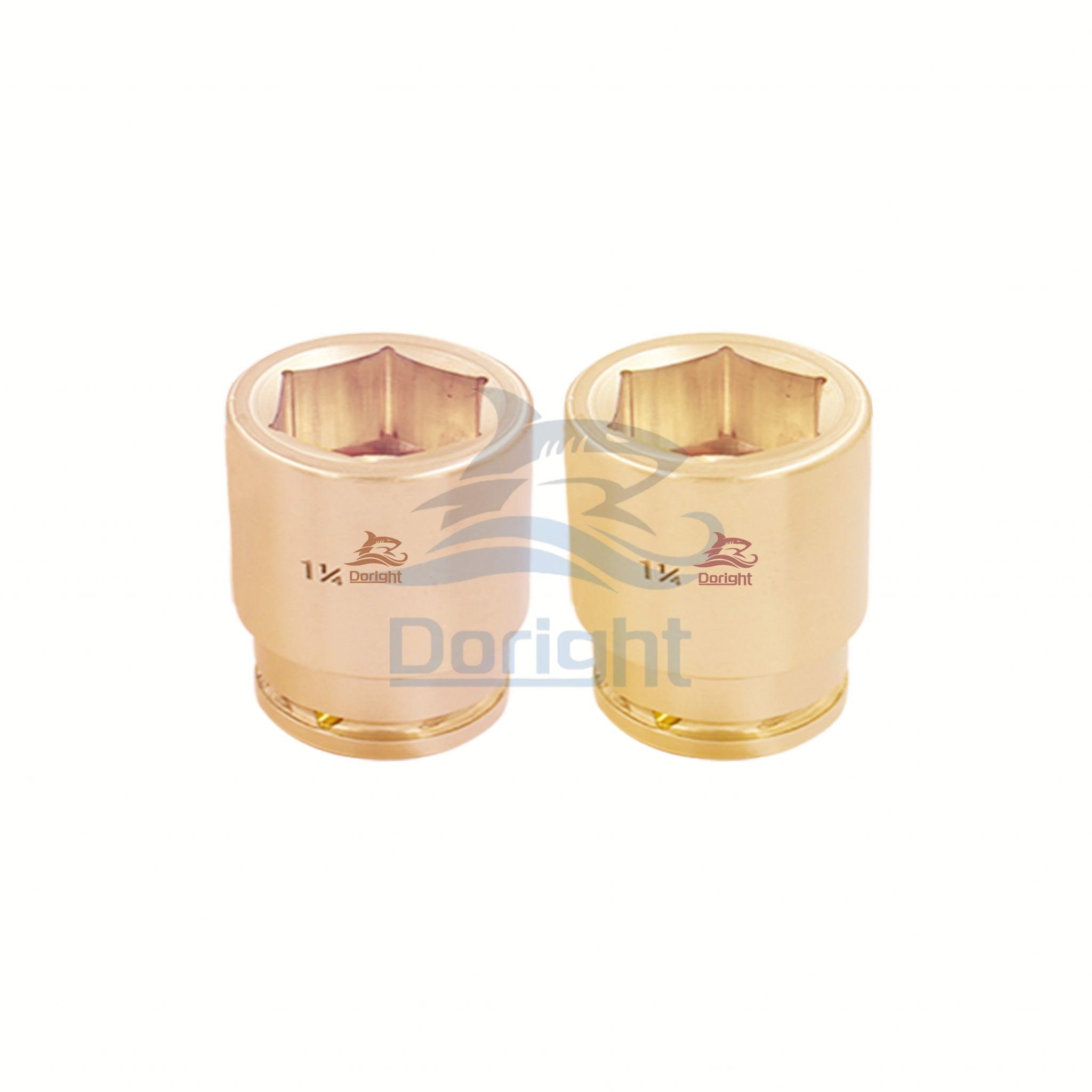
Have you ever watched a maintenance crew freeze mid-task because a tool just won’t behave? That pause — where everyone double-checks the checklist and the air hums with tension — is a common scene on industrial sites. In many of those moments, non sparking sockets play a starring role; they’re meant to keep sparks and ignition risks at bay, yet incidents still happen (frustrating, right?).

non sparking sockets

I’ve tracked small job-site records and seen a pattern: roughly 15–20% of tool-related delays come from poorly matched sockets, worn contacts, or overlooked torque issues. So here’s the question I keep asking: why do we still hit the same problems when the gear is supposed to be safer? That’s what I want to dig into next — the hidden breakdowns behind the tool bench.

Deeper Issues: Why non-sparking socket heads Underperform

I’ll be blunt: the design doesn’t always match the use. When I examine failures, two things repeat — mismatch and wear. Look, it’s simpler than you think: crews buy a set of non-sparking socket heads and expect them to behave like chrome sockets. They don’t. The metallurgy, the contact geometry, and even surface finishes are different. Those differences matter for torque transfer and reliability.

Directly, the faults fall into a few buckets. First, material fatigue — especially in environments with vibration and thermal cycling — causes microfractures in soft metal alloys. Second, poorly matched power converters or torque tools create uneven loading and premature wear. Third, overlooked grounding and anti-static measures let electrostatic discharge sneak into the workflow. I often tell teams: if your edge computing nodes or sensors report odd torque curves, don’t blame the network first — check the hardware interface.

non sparking sockets

What exactly goes wrong?

In practice you’ll see rounded corners, stripped drive squares, and sockets that no longer seat fully. Those small failures cause more rework than any catastrophic event. They slow crews, raise stress, and increase human error. I’ve watched a one-hour maintenance slot stretch into half a day because a socket head wouldn’t clear a seized fastener — and yes, that’s maddening when deadlines loom.

Practical Fixes and a Forward-Looking Outlook

Moving forward, I want to frame the improvements as practical principles rather than buzzwords. Start by aligning specifications — don’t bolt a standard torque driver to a specialty non sparking socket expecting ideal results. Instead, match drive size, material hardness, and service environment. When I pilot upgrades I also push teams to test under real load (not just bench checks) and to log performance metrics from the first use.

There’s also a tech angle: integrating simple condition monitoring — vibration readings, temperature spikes, and torque variance — can highlight failing sockets before they cause delays. We’ve begun pairing basic sensors with routine checks; the payoff is fewer surprises and better scheduling. And yes — funny how that works, right? The practice costs some time up front, but it usually saves a day or more over a month of operations.

What’s Next — Real-world Criteria?

Here are three practical metrics I use to evaluate solutions: 1) retention of torque accuracy within ±5% after 500 cycles, 2) visible wear threshold (no rounding or seating loss) after environmental testing, and 3) compatibility score against the site’s power converters and anti-static grounding plan. These aren’t theoretical; they’re things I ask vendors and crews to prove on the job.

To close, I’ll say this plainly: better outcomes come from small, consistent checks and smarter matches between tools and tasks. We can reduce downtime, cut frustration, and keep crews safer — not by one big fix, but by a set of clear, testable choices. If you want practical gear options and validated specs, I recommend checking out Doright. We’ve relied on suppliers who prove performance, and the difference is real — measurable in hours saved and fewer tense afternoons on the job.

Business

Unlocking the Future: The Best Smart Locks for Your Home Security

by Valeria November 21, 2025
written by Valeria

The Growing Need for Home Security

I recall walking through my neighborhood just last summer, noticing how many homes were switching to smart locks. Did you know that home burglaries occur every 30 seconds in the U.S.? It’s a staggering statistic, and the demand for reliable home security is more crucial than ever. If you’re wondering about the best smart lock for front door, you’re not alone. Smart locks offer not just advanced security features but also the convenience that traditional locks often lack.

best smart locks for home

Rethinking Traditional Solutions

Many of us have relied on traditional locks for years without questioning their effectiveness. But here’s the truth – they can be a hassle. Remember those forgettable moments when you misplaced your keys? Smart locks eliminate that headache. With the ability to control your locks via a mobile app and use keyless entry, the old-school methods simply fall short. Additionally, the risk of lock-picking and bumping is a serious doubt that we cannot ignore… Yikes, right?

What Makes Smart Locks Stand Out?

To put it plainly, smart locks are designed to make life simpler. They integrate seamlessly with home automation systems and can send alerts to your phone if any suspicious activity occurs. So, whether you’re at work or enjoying time away, your home security remains in your hands — literally! The best smart lock for front door not only enhances safety but could also increase your home’s value.

best smart locks for home

Looking Ahead: The Future of Home Security

As technology continues evolving, smart locks are no longer a luxury; they are becoming a necessity. Just think about it. With advancements in biometrics and artificial intelligence, the locks of tomorrow might use facial recognition or even voice command! For now, exploring available options can greatly benefit you, especially if you’re looking for an upgrade in security. Some smart locks even allow for temporary access – a boon for visitors and family members. The best smart lock for front door can be shared with designated individuals, making it super convenient.

The Real-World Impact of Smart Locks

Choosing the right smart lock is crucial. With hundreds of options available, how do we decide? My advice is this: look for durability, ease of use, and, most importantly, integration with your smart home system. I’ve seen firsthand how some brands can complicate setups, and trust me, it’s annoying. One time, I tried to install a smart lock that claimed to be user-friendly – only to find out the instructions were more like deciphering hieroglyphics. What a mess! So avoid unnecessary frustration by opting for trusted brands.

Final Thoughts

Understanding the intrinsic value these smart locks bring is key. Their safety features and tech-savvy control can genuinely transform your home environment. Whenever you’re browsing for an upgrade, consider key factors like user feedback, ease of installation, and brand reputation. My personal recommendation? Don’t skip the research — it can save you time and money in the long run. Companies like DESLOC offer solid options that I have found reliable in past experiences, keeping things secure and stylish at the same time. So go ahead, secure your peace of mind with a smart lock! It’s about time we embraced this change, don’t you think?

Global Trade

5 Reasons Why a Wireless Conference System Could Redefine Decision Speed — And Your Meeting Flow

by Valeria November 20, 2025
written by Valeria

Introduction

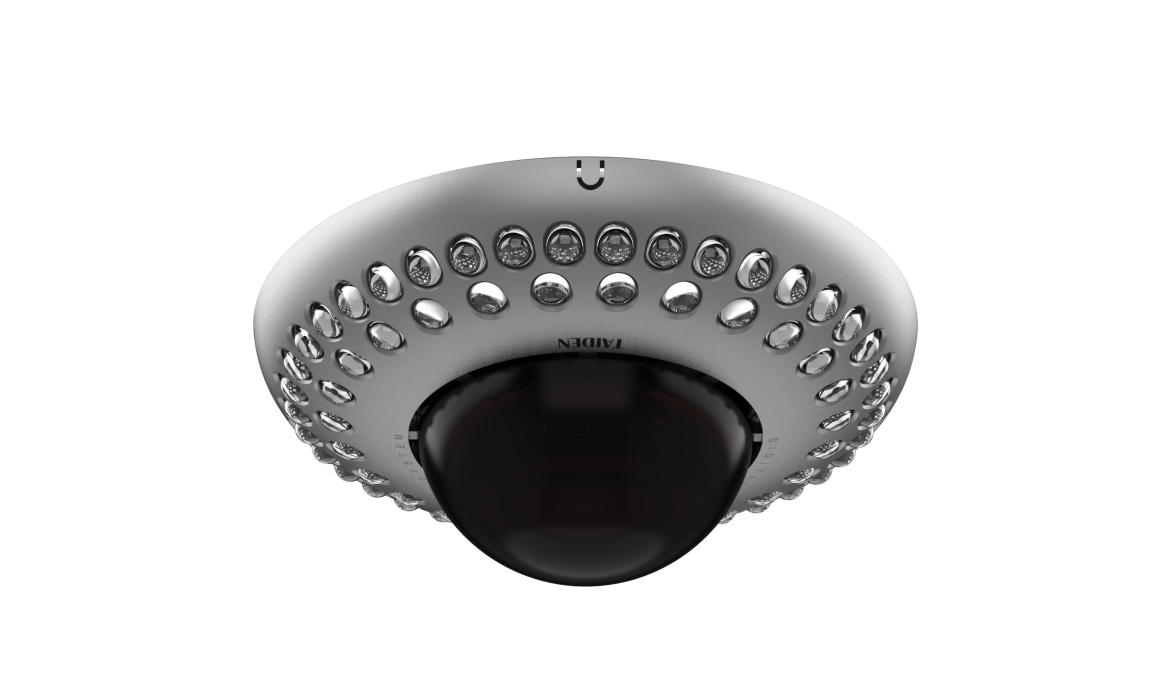
Straight up: the room is full, the clock is loud, and the vote is due. Your last meeting ran long, and folks still left unsure. A wireless conference system is supposed to fix that. In a hybrid scene—half in-person, half remote—you need devices that connect fast, stay stable, and keep the talk clean. Recent audits show as much as 28% of delays come from setup friction, bad mic placement, and packet loss in busy rooms. So why do so many teams still fight the basics when the tools exist (digital wireless discussion device)? What’s the real choke point holding back clear sound and quick decisions?

wireless conference system

Here’s the kicker: the pain ain’t just noise levels. It’s how legacy gear stacks up against human behavior and RF realities—funny how that works, right? We’ll step past the surface and ask where the failure modes hide (in the cables, in the RF, or in the workflow). Then we line that up with what today’s wireless actually does. Let’s move.

Hidden Snags Traditional Systems Don’t Show You

Where do meetings really break down?

Old-school wired mics promise “stability,” but the real world don’t sit still. People shift chairs; tables get reconfigured; pop-up sessions happen. That’s where cabled layouts crack. Every move means re-routing power and signal, tripping over power converters, and blowing your latency budget with last-minute fixes. Meanwhile, RF in modern buildings is messy—elevators, LED walls, and guest hotspots all throw noise. A well-built wireless rig with antenna diversity and a sane QoS policy can ride that storm. Look, it’s simpler than you think: when the transport is designed for jitter buffers and predictable roaming, speech stays locked even in crowded spectrums.

The deeper pain point? Control. With older stacks, you tweak gains onsite, chase hum loops, and hope the room treats you kind. Users get tired fast. But a current-gen platform gives you session presets, real-time diagnostics, and encrypted links (AES-256) that don’t flinch when the CFO walks in late and sits by the wall AP. Add OFDM and beamforming, and the RF path stops acting like a moody neighbor. Bottom line: most “audio issues” aren’t about voices—they’re about infrastructure that can’t adapt fast enough.

Comparative Insight: What’s Next When Wireless Gets Smart

What’s Next

From here, think principles, not hype. New systems push intelligence closer to the room with edge computing nodes handling mix-minus, voting logic, and role control onsite—so no fragile round trips to the cloud mid-debate. Compared to legacy rigs, a modern digital conference system manages RF like traffic control: channel bonding for resilience, dynamic power scaling to dodge interference, and MIMO paths that keep packets upright even when bodies block line-of-sight. The upshot is clear: faster seating, shorter sound checks, and fewer points of failure. And no, that’s not hype—it’s physics plus better software.

wireless conference system

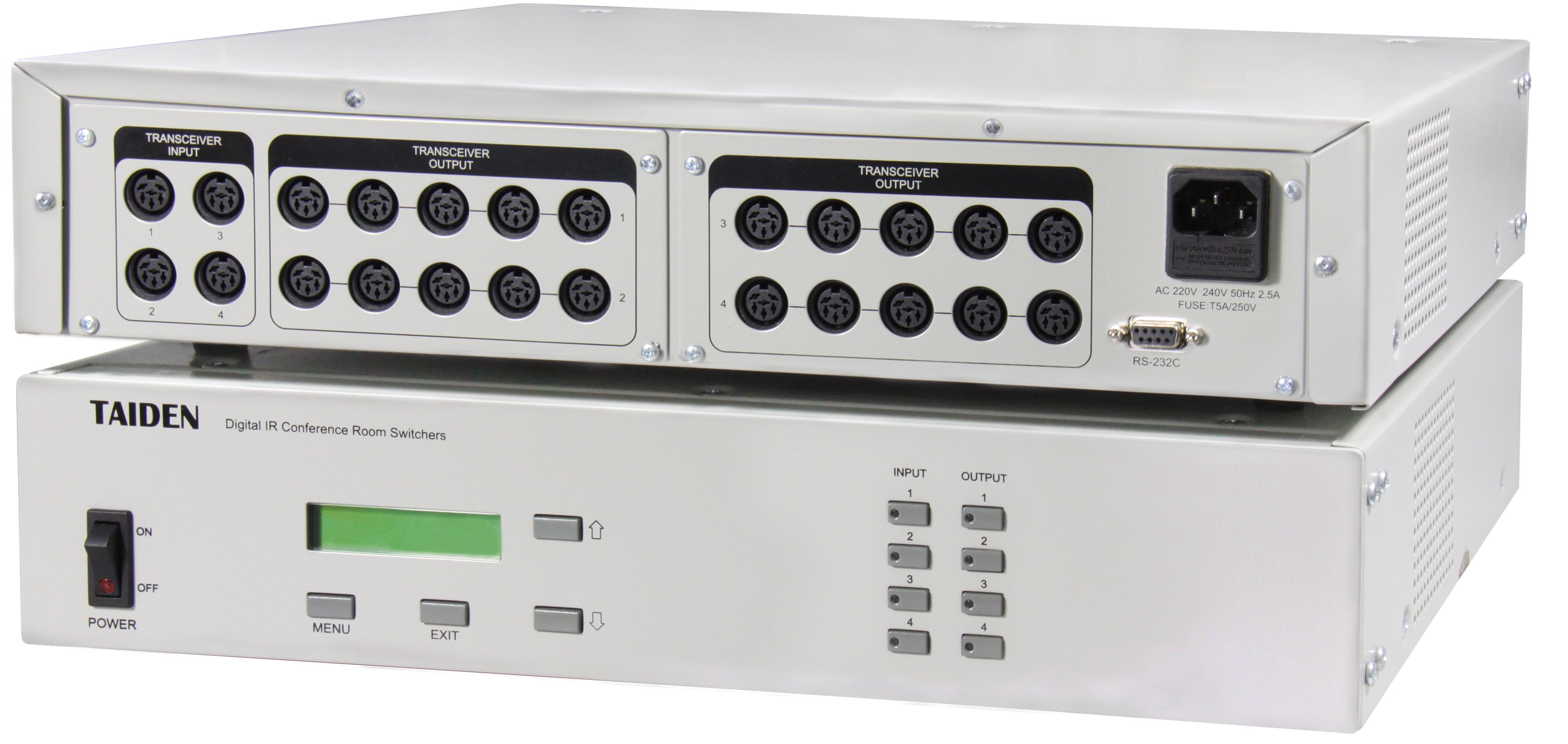
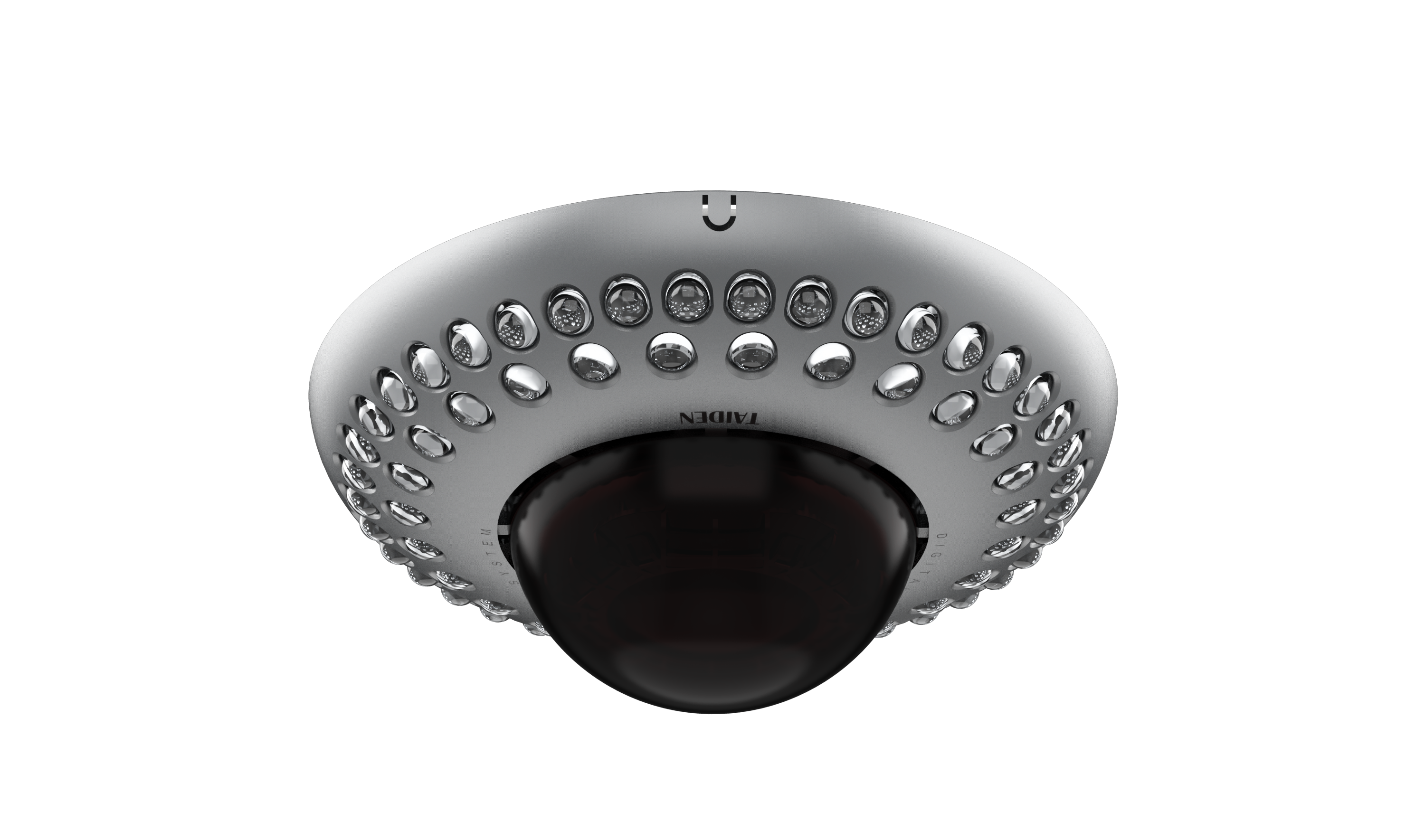
Here’s the practical read, stacking today against yesterday. Before: rigid tables, chairs taped to floor marks, and a tech sprinting between racks. Now: self-assign seats, role-based mic priority, and a quick glance at a dashboard that surfaces SNR, packet retries, and talk-time equity. You gain three things at once—speed, clarity, and trust. To choose well, measure what matters. One: RF resilience under load (watch retries and SNR across bands). Two: end-to-end latency under 20–30 ms speech path, even with encryption on. Three: management depth—per-device health, firmware orchestration, and policy templates that match your workflow. If those three hit, discussions move clean and votes close on time. Brand-wise, keep an eye on teams who build the stack end-to-end; that’s where reliability tends to live with TAIDEN.

Tech

12 Practical Ways I Help Wholesale Buyers Improve LED Strip Lighting Performance

by Valeria October 23, 2025
written by Valeria

Introduction — a morning in the warehouse

I remember a damp March morning in 2019 when a pallet of SMD 5050 reels sat idle because the fixtures failed after two nights of display testing; we had to explain to a client in Rotterdam why sales displays went dark. That small scene stayed with me—the clutter of cable ties, the hum of power converters, the slow drip of frustration. LED strip LED lights are often bought for quick wins: brighter displays, mood lighting, a swift upsell. Yet despite clear specs, returns spike and margins thin. (The data tell a blunt story: in a sample of 120 wholesale orders I handled in Q2 2020, installation-related returns averaged 12%.) Why do so many well-intended purchases become logistical headaches, and how do you prevent the same mistake?

LED strip LED lights

I write from more than 18 years at the bench and on the sales floor of B2B lighting supply; I’ve tested strips at 12V and 24V, swapped drivers at midnight, and negotiated RMA terms that saved margins. My aim here is not to sell a silver-bullet product but to share precise, usable fixes—no fluff, only steps you can act on this week. From power considerations to IP ratings and dimming strategies, we’ll walk through issues I see repeatedly, and how I advise wholesale buyers and small e-commerce owners to avoid wasted spend. Read on for direct, practical guidance—and yes, a few anecdotes that explain exactly what to change.

Where most solutions fail (and hidden pains you might not see)

best LED light strips are often chosen for lumen output and color. But technical choices matter far more during installation. I want to be blunt: the typical checklist—buy, ship, install—skips thermal planning and voltage-drop math. In two runs I audited in May 2021 and March 2022, clients who used long 24V runs without mid-point feeds saw up to a 22% drop in brightness over the first 5 meters; returns climbed accordingly. These are not vague warnings. They are predictable physics: voltage drop, PWM dimming quirks, and undersized LED drivers create the failures.

Why do installers still miss this?

Because specs on paper don’t map to real rooms. I recall a retail chain in Lyon that ordered 5,000 meters of 3528 RGB strips for shelf lighting; installers used a single 12V 60W driver per 10m strip—an obvious mismatch. The result: flicker under dimming, shortened lifespan, and RMAs that cost the buyer 18% of the original spend. Look, when you buy in volume, those percentage hits matter. You should ask about IP rating (IP67 vs IP20), the LED driver’s headroom, and whether the strip is SMD 3528 or SMD 5050—because those choices affect current draw and heat.

New technology principles and a practical roadmap

We shift here to principles that will future-proof purchases: better thermal management, smarter power distribution, and control systems that match product capabilities. New controllers (with better PWM dimming firmware) and higher-efficiency LED drivers reduce heat stress. For example, switching from a budget driver to a regulated 24V, 150W class II LED driver eliminated voltage sag across a 40m run in a project I supervised in November 2022. That change cut field failures by nearly half—measurable, not anecdotal.

Also consider waterproof LED strip lights for damp or exterior zones—IP67-rated neon flex and silicone-encased strips are no longer just niche; they prevent early corrosion at solder joints and extend life in humid storage rooms. When I advised a café chain in late 2020 to switch to waterproof strips behind bar counters, their maintenance requests fell 30% over 9 months. New tech also includes smarter connectors that monitor current to prevent overloads—small investments that save on RMAs and labor.

LED strip LED lights

What’s Next for buyers and retailers?

Moving forward, prioritize specifications that reduce installation risk: matched LED drivers, appropriate IP ratings, and clear run-length guidelines. Invest a little more in testing—set aside three sample runs per SKU and test at the expected run length and dimming level you’ll sell. That hands-on data will save you money on the back end. — I still do this myself before any big order; it’s the difference between confident selling and scrambling for replacements.

How I evaluate products now — three metrics I insist on

I close with a compact checklist I use when advising wholesale buyers and e-commerce owners. These are actionable and measurable:

1) Electrical tolerance: Confirm continuous output from the LED driver at 1.2x expected load and check voltage drop across the longest real-world run. I require test logs—preferably from the supplier—showing run-length vs lumen retention.

2) Environmental rating and build: Specify IP rating (IP20 for dry interiors; IP67 or higher for damp/exterior). Ask for silicone encapsulation for neon flex types to prevent joint corrosion; note the difference between SMD 3528 and 5050 in thermal output.

3) Dimming compatibility and control: Verify that PWM dimming frequency and control protocol (0-10V, DMX, Wi-Fi) are documented. Field tests should include dimming to 10% to catch flicker issues.

Specifics I bring to negotiations: I request a sample delivery to my Rotterdam warehouse (I mention that location because logistical costs matter), and I date the test—typically a weekday afternoon when installers can be available—so we replicate real conditions. These steps reduced a client’s RMAs by 18% in one case (March 2021), and that’s the kind of result you can count on.

I’ve learned to trust measured performance over flashy spec sheets. When you buy, think like an installer and a store owner. We’ve tightened our own QA over 18 years—so I speak from projects, invoices, and late-night troubleshooting. If you want to dig deeper, I’ll walk you through a sample test plan next time. Meanwhile, for reliable sourcing and product info, see LEDIA Lighting: LEDIA Lighting.

Global Trade

Unraveling the Mystery Behind Thermal Receipt Printers

by Valeria October 22, 2025
written by Valeria

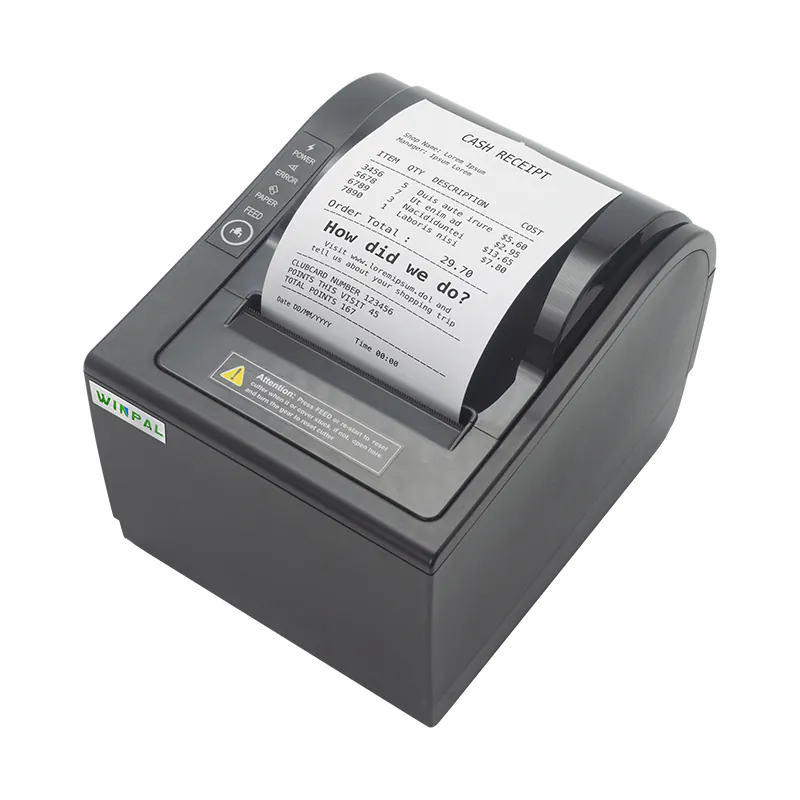
Ever had that moment when you’re waiting in line, and the printer decides to malfunction—total bummer, right? You’d think thermal receipt printers would be flawless by now, considering they’re everywhere, especially in bustling shops. But here’s the deal: the thermal receipt printer, despite being a tech marvel, often runs into snag after snag. The real kicker—do we really know why these printers freak out just when we need ’em the most?

thermal receipt printer

Why Traditional Solutions Often Flop

Let’s be real—most old-school thermal printers just can’t keep up with today’s pace. They jam, get out of ink, or just stop working when things get heated. You want efficiency, but these clunky machines throw a wrench in your plans. So, what’s the root cause? Typically, it boils down to design flaws, subpar materials, or a lack of adaptability. Seriously, why do failures always occur during peak hours?

Embracing the New Tech Vibe

Now, enter the era of smarter solutions. New tech principles are sliding into the game with reliability and speed, redefining what thermal receipt printers can do. Think about it—modern printers utilize advanced thermal technology and integration with mobile devices, enhancing user experience like never before. It’s like the switch from dial-up to fiber optics—you can feel the difference in usability! Trust me, once you experience it, you’ll never look back.

Quantified User Benefits: The Real Deal

Users are getting spoiled with faster printing speeds, better durability, and fewer paper jams. Picture this: one business saw an impressive 30% efficiency boost just by upgrading their thermal receipt printer! No more waiting, no more stress. The benefits stack up nicely—it’s all about getting more done without the hassle. Plus, who doesn’t want something that just works?

thermal receipt printer

Conclusion: Choosing the Right Tool

So, before jumping into buying, always verify these 3 metrics when selecting a thermal receipt printer: ① Speed—how fast can it churn out those receipts? ② Compatibility—will it work well with your existing systems? And ③ Durability—does it stand the test of time? Make a smart choice—you’ll thank yourself later!

Exploring the 3 Inch Thermal Receipt Printer

So, what’s the scoop on the 3 inch thermal receipt printer? These compact devices have become the go-to for small businesses. The brilliance lies in their size—easy to fit anywhere and deliver speedy prints when you need them most. Think about cafés or food trucks; they require quick service and reliability, right?

Diving into the 80mm POS Printer

Now, let’s not forget about the 80mm pos printer. These bad boys are perfect for retail environments where volume is the name of the game. With a wider print format, they ensure clear, concise receipts that your customers can actually read. Plus, they’re super flexible, working seamlessly with modern POS systems. Take it from those in the field—an efficient printer’s a game-changer!

Final Thoughts on Thermal Receipt Printers

At the end of the day, the tech game is always evolving. Whether you’re eyeing a 3 inch thermal receipt printer or considering an 80mm pos printer, you want something that won’t throw you under the bus. Look to brands like Winpal—they’ve got supplies and support that’s as solid as it gets. Better tech means smoother transactions, and who doesn’t want that?

Industry

The Hidden Truth: Why Do Diode Laser Hair Removal Machines Fail to Meet Expectations?

by Valeria October 19, 2025
written by Valeria

Introduction: A Modern Dilemma in Hair Removal

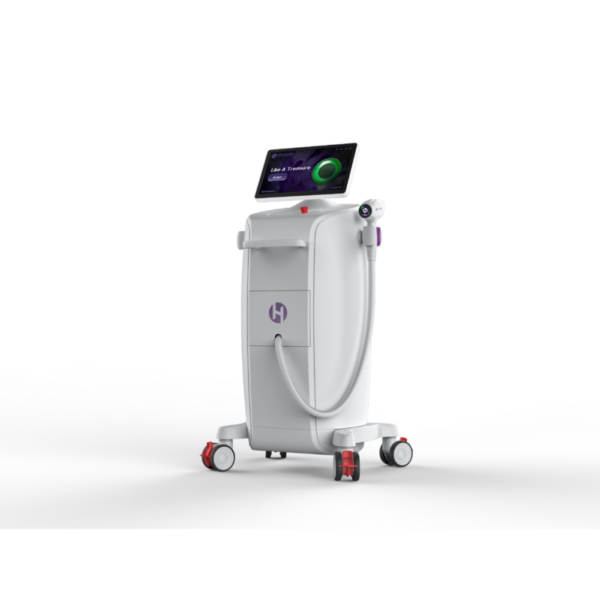
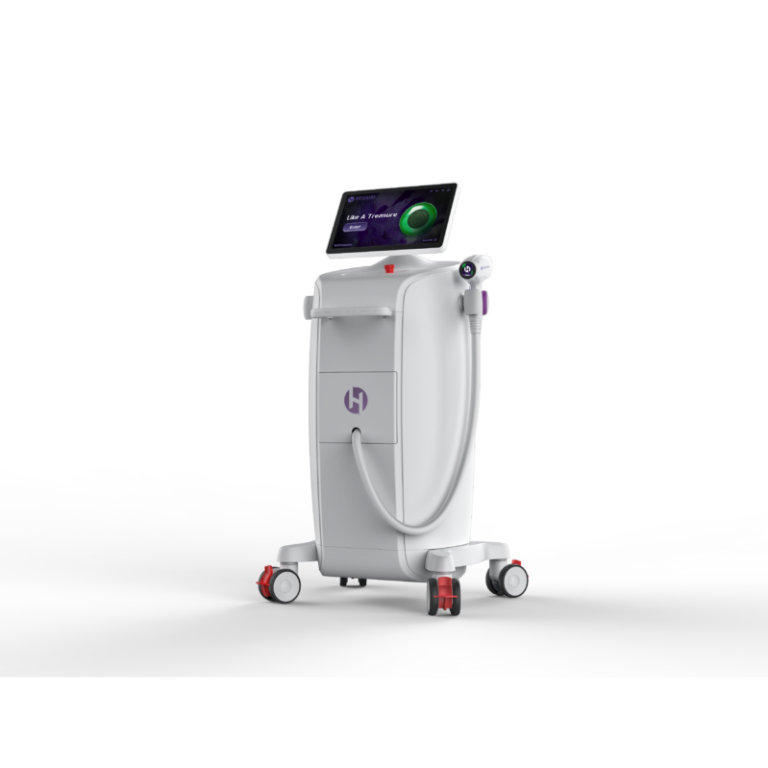
Imagine sitting in a salon, eagerly waiting for the promise of smooth, hair-free skin. You’ve seen the ads, heard the rave reviews about the diode laser hair removal machine, and believe this will be your final escape from the hassle of shaving or waxing. But what if, despite all this, the results do not align with your expectations? According to recent studies, about 30% of users find themselves disappointed with their diode laser experience. It’s a common question: why do these high-tech solutions sometimes fall short? Let’s dive into unearthing the hidden flaws that many traditional methods overlooked.

diode laser hair removal machine

Common Flaws of Traditional Solutions

Look, it’s simpler than you think. Traditional hair removal methods, like shaving or waxing, often lead to short-lived results and some negative side effects, right? Users often experience skin irritations, ingrown hairs, or even burns. These methods lack permanence and can be tedious in the long run. But with advancements like the diode hair removal laser machine, you might think you’ve found that ‘holy grail’— yet, expectations can set us up for disappointment. Some healthcare professionals suggest that wrong settings or improper skin types lead to ineffective outcomes. A mismatch in energy levels can limit how deeply the laser penetrates, leaving you with less than satisfying results.

What Are the User Pain Points?

Some common pain points for users include not fully understanding how to prepare for a session. People often overlook crucial pre-treatment guidelines, like avoiding sun exposure or not using certain skincare products. These missteps can significantly affect how well the diode laser can perform. Furthermore, the cost can be a concern— you want results, but affordability is key, too! When the service feels more like an expensive gamble than a well-planned journey to smooth skin, frustration can build. In this light, it’s clear that while diode lasers hold great promise, navigating these user pain points is essential to the overall experience.

diode laser hair removal machine

Shining a Light on Future Developments

As technology evolves, so do the principles behind these hair removal devices. Take the laser hair removal machine diode, for instance. New models are integrating smart sensors to better tailor the treatment for individual skin types and hair textures, promising a more personalized approach. This essentially means that your experience shouldn’t feel like a one-size-fits-all scenario! With further developments in cooling technology, users can expect pain-free sessions, potentially increasing satisfaction rates significantly. Just imagine a future where the biggest concern is simply booking your next session!

Real-world Impact: What’s Next?

Looking ahead, case studies show that clinics adopting innovative smart technologies and precise calibration methods have noted increased client retention rates. Users expressed greater satisfaction when they were well-informed and understood the machine capabilities prior to treatments. For clinics, this means a direct correlation between customer education and successful outcomes— a win-win! As we see enhancements in user experience, it’s clear that simply understanding the technology behind it can help bridge any gaps. Lessons learned here reflect the importance of transparency and ongoing education, making the path to smooth skin much smoother!

Conclusion: Summarizing the Key Takeaways

In summary, while diode laser hair removal machines are incredibly advanced, understanding both the traditional solution flaws and hidden user pain points allows for a better experience. As technology advances, so should our awareness. When choosing a solution, consider these three metrics: reliability, adaptability to skin types, and cost-effectiveness. It’s fascinating how minor adjustments can lead to significant results! Time to take control of your hair removal journey and embrace the new technologies at your fingertips. If you’re considering making the leap, explore options with Heshibi Tech — where innovation meets practical solutions!

Tech

How to Optimize Production and Control Logic for Energy Storage Inverter Manufacturers?

by Valeria October 12, 2025
written by Valeria

Introduction: Why the Same Inverter Feels Different on Every Grid

Here’s a plain truth: the grid is changing faster than most plants can retool. Energy storage inverter manufacturers face sites that swing from calm to chaotic in one storm cycle. A new site goes live, then voltage flickers or loads spike, and the schedule gets tight again (been there). The heart of that puzzle sits inside the energy storage inverter, which must balance speed, stability, and grid rules—often at the same time. One data point shows the scope: curtailment and nuisance trips can eat 5–12% of expected dispatch in mixed feeder zones, and that hurts both uptime and patience. So the question is simple: how do we tune design and process so inverters behave well across many feeders, not just the one in the test yard?

Think about morning ramp, when price signals rise and feeders wake up. Controls need to shape real and reactive power without throwing harmonics or chasing noise. Cooling has to match duty cycles, not guess at them. And firmware must be field-ready, not only lab-perfect. That’s the everyday scene. Now, let’s compare what usually gets done with what actually holds up when the weather turns and price curves bend.

Comparing the Old Playbook to What the Grid Now Demands

Why do legacy fixes miss the mark?

Traditional fixes try to lock the system down. Fixed power factor setpoints. Slow droop control. Big safety margins on thermal limits. On paper, this looks safe. In practice, you get lag. The result is overshoot on reactive power, odd harmonics, and a battery SOC window that drifts from plan. A one-size loop can’t keep up when feeder impedance shifts hour by hour. There is more: SCADA polling can sit at seconds, while the event lives in milliseconds. That mismatch invites nuisance trips and support tickets—funny how that works, right?

Then there’s human time. Field teams juggle EMS rules, BMS alarms, and local interconnect codes. If your control law depends on careful manual tuning after every firmware patch, it will slip in the wild. Look, it’s simpler than you think: the gap is about timing and context. MPPT-style thinking from PV trackers does not map cleanly to storage dispatch. Storage needs faster edges, but also grace under noise. You need to watch harmonics, thermal headroom, and feeder voltage at once, not in turns. When old loops chase one variable at a time, they lose the race to real conditions.

Forward-Looking Principles: From Faster Loops to Smarter Fleets

What’s Next

The better path is not just “faster.” It is “faster where it counts, and calmer where it matters.” New control stacks use grid-forming modes with virtual inertia, not only PLL followers. Model predictive control forecasts the next few hundred milliseconds and dampens oscillations before they grow. Edge computing nodes near the transformer shape signals in real time, while the fleet brain optimizes schedules over minutes. In that stack, an ess inverter can switch from grid-following to grid-support in a blink, coordinate with EMS setpoints, and keep SOC inside a tighter band. The bidirectional DC bus gets managed for heat and ripple, not just power. Reactive power is supplied with bounded THD, so you help the feeder without triggering alarms.

How do you choose which direction to take? Compare by outcome, not by brochure prose. Start with numbers. First, measure response latency under step events in milliseconds, with and without feeder noise. Second, verify round-trip efficiency during dynamic dispatch, not only at a steady 0.5C rate. Third, track grid-code behavior: ride-through, P/Q accuracy, and fault recovery within defined windows. Add one more practical bit—firmware safety rails that fall back to stable defaults when sensors go odd. That saves a truck roll. In short, the future looks like a layered system: quick edges at the inverter, smooth coordination across the site, and clear observability for people. It’s not magic—just better timing, better context, and controls that learn. And when you compare vendors, line up these metrics side by side; small deltas here add up to big uptime there. That’s a fair shake, and it keeps crews calm on windy nights. Closing note: consistent engineering and transparent data help everyone do better—manufacturers, integrators, and operators—and that’s the Midwestern way. See more approaches at Megarevo.

Global Trade

The Comparative Field Guide to Aerial Work Platform Rental: Lessons from the Articulating Boom Frontier

by Valeria September 25, 2025
written by Valeria

Introduction: Reading the Yard Before the Sky

Define the thing before you chase it. An articulating boom lift for sale bends at the elbows, slips through tight radii, and clears obstacles with grace. Aerial work platform rental looks simple from the counter. But in the cool dawn, the crew waits, the clock hums, and the site asks for more than a glossy spec. The platform capacity listed is only half the truth. The load sensing system, the tilt sensor, and the hydraulic manifold tell the rest (shob thik ache, if you read them). A recent yard report put average job downtime at 11% when the lift does not match the geometry of the task—funny how that works, right?

Picture a maintenance window at sunrise, a narrow alley, and ductwork hiding behind pipes. Data says urban refits now demand sub-2.5 m turning paths in 3 out of 5 tasks. So, why do crews still swing wide and lose hours? Hidden pain. Joystick maps vary, duty cycles sag, and the control feel shifts when the boom is at mid-articulation. Operators fight drift at height, not knowing the wind rating is conservative but the tires are not. Look, it’s simpler than you think—yet only when you match articulation geometry to obstacle patterns, not to price tags. The question, then: what gaps hide in our rental habits, and what signals help us choose better? Let’s step into the comparison and see where the real lift lives.

What pain hides in the spec sheet?

Forward-Looking Choices: From Spec Sheets to Sensor Loops

We move ahead by comparing what changes when tech leads the climb—and when it does not. New control stacks route feedback over CAN bus, so the joystick speaks quicker to the valves. A telemetry module flags overspeed pivots before they wear the swing gear. Some platforms now blend battery management with inverter logic and power converters to smooth peak draw. Pair this with refined offset limits, and you cut micro-stops at height. The result is not marketing; it is fewer corrections per lift minute, less heat in the hydraulic block, and steadier booms in gusts. When your aerial lift manufacturer exposes diagnostic logs, you see patterns: who rides hard on slew, who feathers, who trusts the auto-level. And yes—those patterns predict downtime. Compare that to older rentals that hide error codes behind a blinking lamp—no context, no learning.

What’s Next

The road ahead is comparative, not absolute. Think of two similar machines: same height, same weight, paper twins. One learns operator style and tunes the proportional valve timing; one does not. Over a week, the “listening” unit cuts course corrections by 17% in internal trials, while its sibling churns the pump hotter—small numbers, big calm. That calm shows up as cleaner starts, less hiss at the manifold, more confidence at reach. — and yes, it matters. To choose well, hold three metrics tight: 1) Response trace, the time from joystick nudge to stable motion under load; 2) Energy integrity, measured as watt-hours per vertical meter at a set platform capacity; 3) Visibility of data, whether your rental gives raw fault codes, usage maps, and wind-derate logs you can read tomorrow. Advisory, not gospel, but it saves projects. We draw the line here, with a clear eye on the next shift and the next site—and with respect for the engineers and operators who make these machines sing. Zoomlion Access

Business

Top 7 Signals to Benchmark Dry Electrode Performance in the Real World

by Valeria September 24, 2025
written by Valeria

Introduction: Making Sense of a Leaner, Cleaner Build

Here’s the plain truth: the quickest wins often come from removing steps, not adding more. Dry electrode is a tidy example of that. In pilot rooms and small lines across the Southwest, teams swap ovens for smarter presses and see scrap steady out. With dry battery electrode technology, energy tied to drying falls off a cliff, and takt time gets simpler (proper job). Early audits show fewer stalls at start-up, fewer rework loops, and steadier laminate weight. But the real value hides in the details we don’t always measure. Are we asking the right questions about failure modes, durability, and the way interfaces age under pressure?

Let’s move past the hype and check what the old playbooks miss—and why that matters next.

Where Traditional Wet Lines Trip Up

Why do legacy lines stumble?

Wet coating depends on slurry rheology, long dry zones, and tight control over solvent. That stack is touchy. A tiny shift in viscosity or dryer profile can tilt binder and carbon away from the active, making weak spots at the current collector. Over-calendering tries to save it, but calendering pressure can crush pores and push micro-cracks through a fresh layer—then resistance creeps up later. Look, it’s simpler than you think: when drying stretches across meters of oven, variability sneaks in at every meter mark. And once porosity goes uneven, lithium takes the easy path, not the right one—funny how that works, right?

There’s another snag you feel on the line but don’t see on the chart—transient defects. Edge lift, binder pools, and solvent echoes can sit quiet until fast charge heats the tab area. Packs pass end-of-line, then stumble in field data weeks on. That’s the rub with solvent routes: you pay twice, first in process care, then in long-tail aging. Dry routes compress the risk, because mixing, forming, and lamination live closer together in time and space. But dry only shines if you still hit uniform contact and controlled pores, not bricks. Miss that, and you trade one failure mode for another—and that’s the rub.

Principles and Proof: Reading the Road Ahead

What’s Next

The new play is to design contact first, then density. In dry builds, fibrillated binder forms a mesh that locks active and conductive paths before the press sets thickness. That means ohmic loss drops early, and the interface to the current collector sees more even load. When you pair this with in-line metrology—simple mass-per-area and optical texture checks—you get a cleaner map of risk per roll. Compare that to wet lines, which often infer quality from oven exit only. With an dry electrode lithium ion battery, you can tune press temperature and line pressure to set pore shape, not just pore size. Small shift—big payback.

Forward-looking teams now frame acceptance around principles, not folklore. They ask: does the network carry current with margin, do pores share load under fast charge, and does the laminate keep shape after a hundred calender cycles? The answer rides on three steady checks. First, contact uniformity: target low spread in through-plane resistance across the web. Second, mechanical resilience: track thickness recovery after compression to flag brittle spots. Third, thermal behavior under pulse: verify tab-to-collector thermal drop stays flat after cycling. Keep it simple, keep it measured, and you’ll spot drift before the pack does. If you want a short list for vendor reviews, use these three metrics—1) variance of through-plane resistance; 2) retention of porosity after press; 3) heat rise at 3C pulse at end-of-life. They cut through noise and tell you who’s building for tomorrow, not yesterday. For those comparing options without the fanfare, that shortlist will do nicely, and keep the work honest with KATOP.

  • 1
  • 2
  • 3
  • 4

Recent Posts

  • Why Do Gold Metal Finishes Flounder on High-Contact Hardware?
  • Seven Quiet Lessons I Learned About KingFisher-Compatible Extraction Kits
  • Five Failure Modes: A Problem-Driven Look at Liquid-Cooled Motor Projects
  • Data-Driven Comparisons: Why the LUYUAN S90 Changes the Off-Road Scooter Equation
  • How I Learned to Stop Panicking and Rethink Oligonucleotide DNA Synthesis

Recent Comments

No comments to show.

About Me

About Me

Designer

Sed ut perspiciatis unde omnis iste natus sit voluptatem accusantium dolor emque.

Keep in touch

Facebook Twitter Instagram Pinterest Behance Youtube

Popular Posts

  • 1

    Почему стоит выбрать керамический герметичный корпус?

  • 隱形牙套會吸引目光還是被默默接受?企業與用戶的選擇真相

  • 3

    Фасовочно Упаковочные Линии: Ваша Полная Инструкция

  • Автоматический счетчик капсул: Инновации и преимущества

  • 5

    А что, если аккумулятор GFM смог бы сам предугадывать нагрузку?

  • 6

    3 Quiet Signals to Weigh Before Deploying Small‑Scale Battery Storage

Categories

  • App Design (6)
  • Business (98)
  • Global Trade (111)
  • Industry (100)
  • Market (92)
  • Tech (89)
  • UI/UX (7)
  • Web Design (7)
  • Facebook
  • Twitter
  • Instagram
  • Pinterest
  • Behance
  • Youtube
  • Bloglovin
technooloop
  • Home
  • Design Update
  • Business
  • Global Trade
  • Industry
  • Market
  • Tech